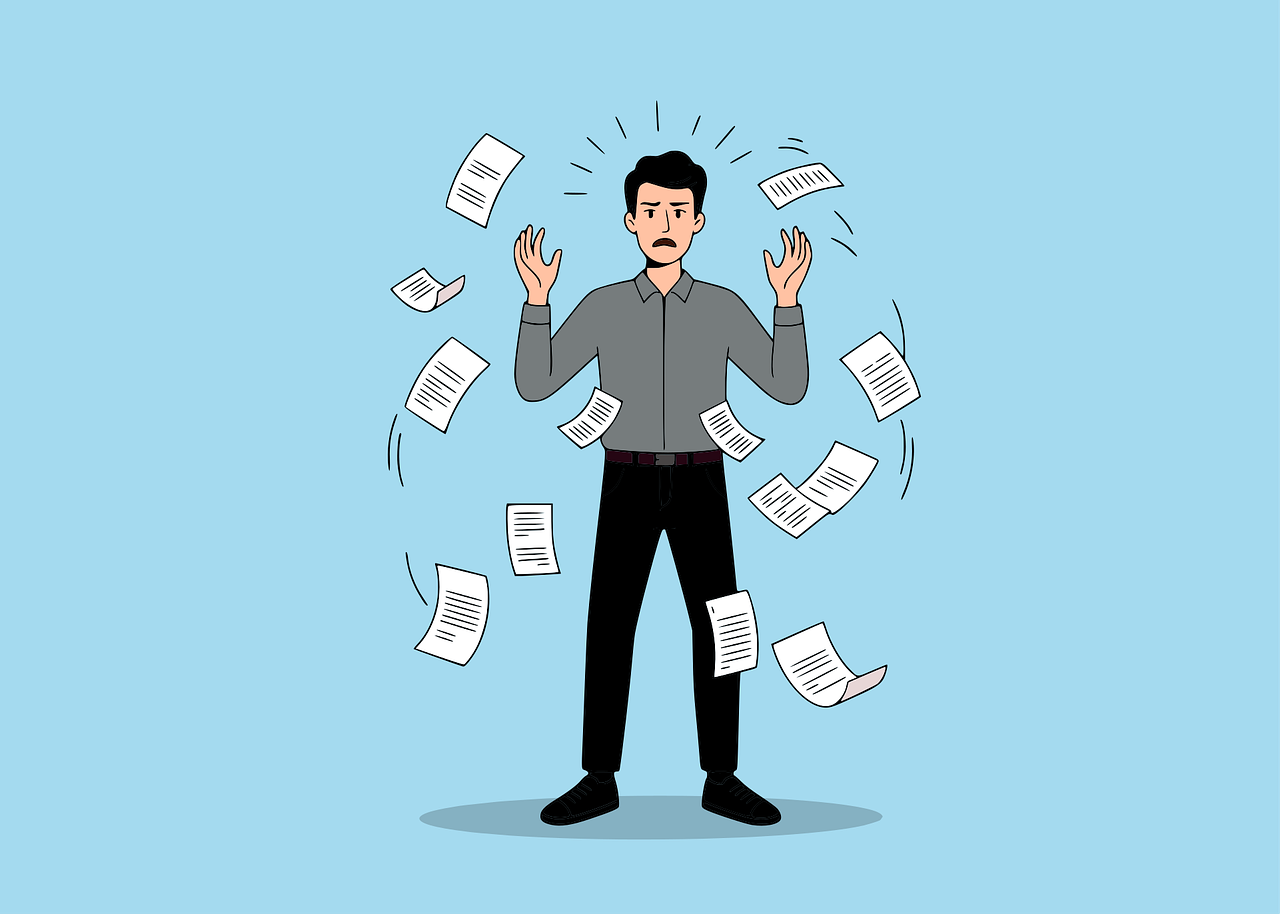

How to Manage Stress and Anxiety During Dog Shows
Dog shows can be incredibly exhilarating yet equally stressful experiences for exhibitors. Preparation is vital before entering the ring, allowing handlers and their dogs to work together in a calming environment. Making sure you have all necessary supplies, including grooming tools, treats, and a comfortable crate, lessens last-minute scrambles. Setting up a realistic schedule helps you adhere to routines. Avoid overloading your day with activities, since too many tasks create anxiety. Just as important: mental preparation! Visualizing a positive outcome fosters confidence. Regular practice routines ensure dogs feel at ease in the show environment. Balance between training and relaxation is crucial; excessive training can exacerbate stress. Create a system that avoids overwhelming your pet or yourself before the show. Sharing responsibilities with other exhibitors can diminish individual stress as well. In addition, reaching out to experienced handlers for advice can yield valuable strategies, empowering you mentally. Remaining focused on the joy of showing helps combat nerves while strengthening the bond with your dog. Ultimately, concentration on the shared experience transforms anxiety into enthusiasm, enhancing both your and your dog’s performance during the show.
Prioritizing Physical and Emotional Well-being is essential for both you and your dog. Maintain regular exercise routines, allowing both of you to release pent-up energy. Peak physical condition helps in presenting your dog more effectively. Ensure your dog has a proper warm-up before entering the ring, as this can minimize tension and promote relaxed energy. Furthermore, stress-reducing techniques can help both you and your dog adapt to the competitive environment. Incorporating deep-breathing exercises or meditation into your routine serves to center your mind. Engaging in calming practices can lower cortisol levels, significantly easing anxiety. Regular breaks and downtime for your dog during the event can enhance its performance. Rushing through preparations or commitments increases anxiety for both parties. Focus on your dog’s comfort to cultivate a tranquil atmosphere during shows. Additionally, establishing a safe space for your dog away from the bustle of the event can assist with managing stress levels. Creating a positive feedback loop, where you celebrate small achievements, lowers anxiety. Remember to communicate openly with your dog through affectionate words and gestures to strengthen the bond and reassurance during the hectic event.
Setting Realistic Expectations
Setting realistic expectations greatly helps in managing stress and anxiety during dog shows. Each dog, regardless of training level, has unique strengths and challenges. Acknowledging this individuality allows you to remain grounded during the competition. Prioritize enjoyment rather than solely fixating on winning. Setting personal benchmarks can bolster confidence, reducing disappointment if outcomes aren’t favorable. By providing your dog with cues that encourage cooperative behavior, you both achieve your best performance. Listening to feedback from judges gives valuable insights into how to improve your presentation over time, fostering growth in your skills as an exhibitor. Drafting a practical plan for tackling any challenges increases resilience. Equip yourself with a list of responses to potential problems—like a sudden bark from another dog—that could arise during events. Adapting to shuffling schedules is equally important, as any variations increase excitement and anxiety. Explore options for relaxation techniques, such as calming music or essential oils, which can provide a sense of comfort. Remember, the journey is as essential as the destination; enjoy your experience as you learn and grow through every showing, no matter the outcome.
The Role of Support Networks cannot be overstated when dealing with anxiety during dog shows. Building a strong support network of fellow exhibitors, family, and friends creates a positive environment encouraging growth and confidence. Networking with peers offers valuable insights, sharing strategies to manage stress. Surrounding yourself with experienced handlers can also lead to mentoring opportunities, making you feel more secure. Cultivating friendships at dog shows fosters camaraderie, reducing feelings of isolation during competitions. Positively engaging with others underscores the importance of encouragement and assistance during tough moments. Regularly attending local training sessions or meet-ups can fortify bonds while enhancing skills collaboratively. Building these relationships also offers reassurance that you’re not alone in facing challenges. Additionally, group practice can significantly ease performance anxiety. Having a trusted companion by your side diminishes feelings of vulnerability, enabling constructive dialogue and shared experiences. As you navigate your journey together, celebrate each other’s victories, creating an encouraging atmosphere throughout the season. The power of community cannot be underestimated in an arena where dogs and humans alike face stress, ultimately leading to rewarding moments together.
Breeding Confidence in Your Dog
Breeding confidence in your dog is crucial for managing stress during shows. Start practicing in various environments to expose your dog to different sights and sounds typically encountered at competitions. Gradually introducing them to the show environment can significantly reduce anxiety, helping them feel more secure. Positive reinforcement methods, utilizing treats and praise, heighten adaptability in your dog. Create an association with positive feelings about the competition atmosphere by rewarding serene behavior. Additionally, engaging in mock competitions with friends provides low-pressure exposure to typical show events. Strive for short practice sessions while gradually increasing the intensity of experiences. Participating in local fun matches enhances exhibition experience without the added pressure of official competitions. Confidence-building activities can include basic obedience training, agility exercises, and socialization with other dogs. Regular interaction with various people and pets promotes comfort, creating a well-adjusted companion ready for competition. Bringing familiar items—such as a favorite toy or blanket—can create a sense of assurance during events. Remaining patient while guiding your dog through experiences leads to a more relaxed state, benefitting you both in high-pressure situations.
Post-Show Reflections are vital in complete emotional management after dog shows. Reflecting on your performance allows you to identify strengths while addressing areas needing improvement. Avoid dwelling solely on imperfections; rather, focus equally on the positive experiences encountered. Highlight moments you shared with your dog, which consistently strengthens your bond. Celebrating small victories cultivates a sense of accomplishment that counteracts anxiety. Use a journal to log your thoughts and experiences, guiding future preparation strategies. Additionally, consider discussing your performance with fellow exhibitors or mentors to gain valuable insights. Creating an open forum fosters connection, as shared feelings about competitions can alleviate anxiety in others, too. Engaging in relaxation techniques post-show—such as meditation or long walks—can help clear your mind and recharge your spirit. Use this time for self-care, strengthening mental resilience leading to improved performance in future events. Maintain realistic expectations of your emotional state; both highs and lows are normal experiences in the competitive world. Ultimately, successful management of stress leads to more joyful dog shows, enriching the journey for both exhibitor and canine partner.
Your Daily Routine plays an essential role in stress management before and during dog shows. Establishing a consistent routine eases the transition into showtime for both you and your dog. Start each day with calming activities for both of you, such as light exercise or playtime. Maintaining regular feeding schedules helps keep energy levels stable throughout the event. Prioritizing mental stimulation through interactive toys or training exercises keeps your dog engaged and well-prepared. Implementing structure decreases anxiety, ensuring you know what to expect before, during, and after the competition. Consider including rituals, such as brushing your dog or practicing handling techniques, that can serve as calming anchors amidst chaos. Also, include relaxation timings within your routine where both you and your dog can unwind together. Listening to soothing music or engaging in gentle massage promotes tranquillity. Additionally, being mindful of your emotions and energy during the days leading to the show assists in establishing a calm atmosphere. By creating a positive environment grounded in routine, you significantly reduce both parties’ stress levels, paving the way for a delightful dog show experience.
In conclusion, managing stress and anxiety during dog shows is a multifaceted approach involving preparation, support, and realistic expectations. Understanding your and your dog’s needs fosters a positive atmosphere that minimizes anxiety. Engaging in supportive communities encourages a shared experience that lessens feelings of isolation. Establishing a daily routine helps maintain balance amidst chaos, fostering resilience for both exhibitors and dogs alike. Breeding confidence in your dog through exposure and positive reinforcement allows for greater adaptability during high-stress situations. Post-show reflections pave the way for continual growth, emphasizing enjoyment in the process rather than solely focusing on outcomes. Instead of viewing competitors as adversaries, consider them teammates on an exhilarating journey. Utilize training opportunities to foster learning among peers, capitalizing on unique experiences to empower growth. Implementing these strategies leads to a positive, manageable experience during dog shows, ultimately forging a stronger bond with your canine companion. Use every performance as a learning opportunity, adjusting tactics as necessary to enhance overall enjoyment. Rely on your passion for dog shows to guide your journey, remembering it’s about celebrating both achievements and companionship throughout.