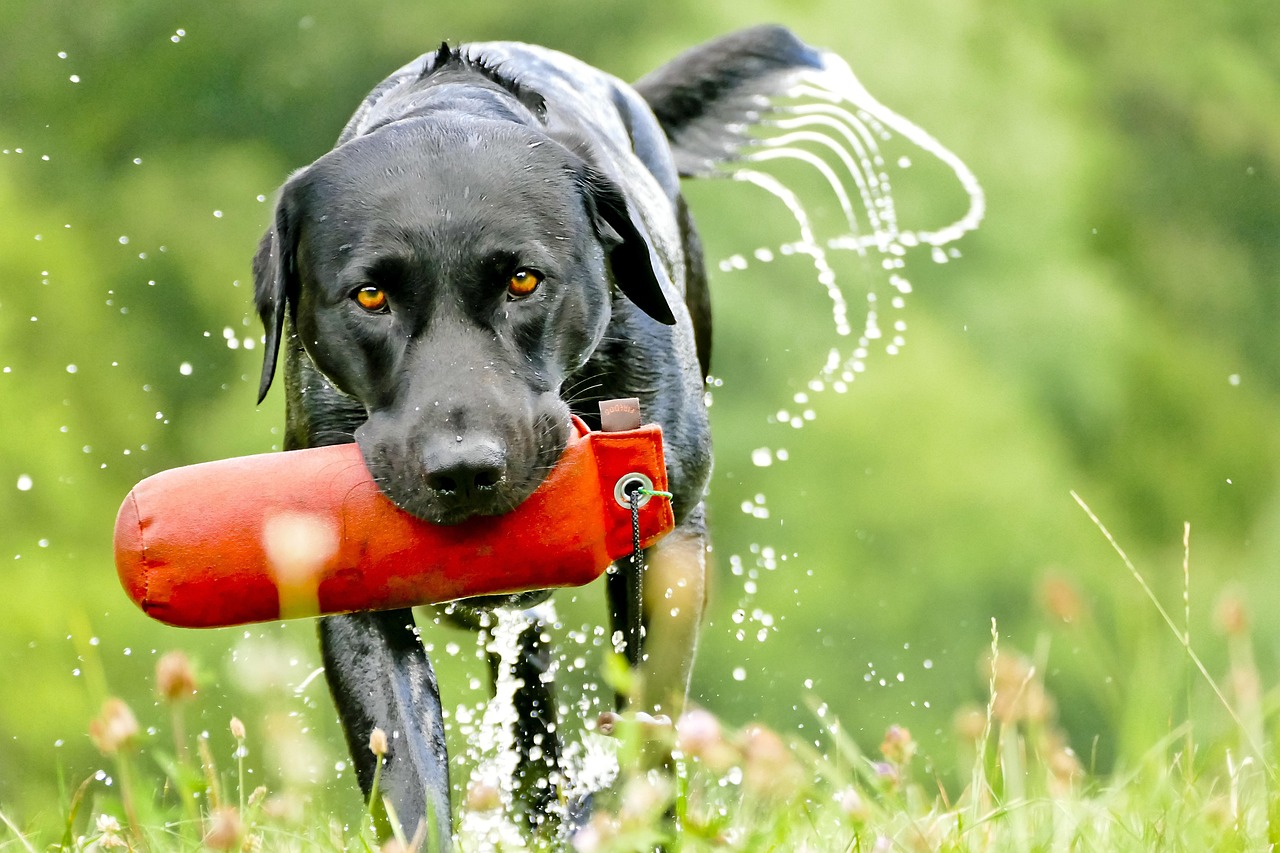

Interactive Dog Training Tugs: Engaging Your Dog’s Mind and Body
When it comes to dog training, stimulating both the mind and body of your pet is essential for effective learning. Interactive dog training tugs are perfect tools that serve this purpose. These tugs come in various shapes, materials, and sizes, enhancing playtime while reinforcing training lessons. One significant benefit of these toys is engaging your dog in physical activity, which in turn supports their overall health. Regular exercise through tug games can significantly reduce behavioral issues stemming from pent-up energy. Additionally, when your dog enjoys their training sessions with tugs, they foster a positive attitude toward learning. To harness the full potential of these interactive tools, ensure that you choose a tug appropriate for your dog’s size and strength. This prevents both you and your pet from becoming frustrated during your training sessions, allowing for a smoother experience. Start by introducing the tug as a reward during basic obedience training exercises, gradually incorporating it into more complex commands and tricks to keep their interest high. Training your dog this way can strengthen your bond and encourage a fun learning environment.
The Benefits of Tug Games in Training
Engaging in tug games using interactive training tugs provides numerous benefits for both dogs and handlers alike. One of the primary advantages is that tug games promote exercise, which is crucial for keeping dogs physically fit and mentally stimulated. When dogs participate in these games, they burn energy while simultaneously sharpening their instincts and problem-solving abilities. These interactive sessions also encourage the development of essential skills, such as impulse control and focus. As your dog learns to wait for your command before tugging, they cultivate patience and self-discipline during play. Moreover, playing tug fosters healthy competition between you and your dog. This helps to solidify the bond you share, creating a stronger relationship based on trust and teamwork. Training tugs are designed with varying levels of difficulty, which allows you to customize sessions based on your dog’s proficiency. By introducing progressively challenging tug tasks, your dog remains engaged, preventing boredom during training. Moreover, these games can help address behavioral issues, such as jumping or aggression, when used appropriately during structured playtime. With regular practice, your dog’s behavior will improve while enjoying the interactive play.
The materials used in training tugs play a significant role in their effectiveness. Synthetic fabrics like nylon or polyester are commonly used because they are durable, vibrant, and can withstand the force of tugging. However, you must consider your dog’s chewing habits and preferences. For aggressive chewers, heavy-duty options made from tougher materials, such as rubber, may be preferable. Tug toys also come in various shapes and sizes, ensuring that you can find the perfect fit for your dog. Typically, tugs are designed with handles or grips, making them easier for you to hold during play. Additionally, some tugs incorporate squeakers or crinkle sounds, which can further excite your dog. This auditory stimulation makes the tug more engaging and helps catch their attention. Moreover, you can find tugs that are double-sided, allowing two dogs to play at once, which can be especially useful in multi-dog households. It is important to regularly inspect these toys for signs of wear and tear, as even the toughest materials may suffer over time. Replacing damaged tugs ensures that your training sessions remain rewarding, safe, and enjoyable, limiting possible risks to your dog’s health.
Establishing Tug Play Success
To create a positive tug play experience, it’s crucial to establish rules and boundaries from the start. Choose a designated space for training sessions, free from distractions, to enhance focus and reduce excitement-driven behaviors. Before introducing the tug, ensure your dog comprehends basic commands such as ‘sit,’ ‘stay,’ and ‘drop it.’ This foundational knowledge facilitates a smoother transition into tug games and allows control during practice. When you present the tug, use an excited tone to build enthusiasm, and don’t shy away from encouraging vocalizations to deepen engagement. During the tugging, be mindful of your dog’s energy levels and enthusiasm. If they display excessive excitement or begin to exhibit aggressive behavior, it may be necessary to take a break and redirect their attention. Additionally, you should establish a releasing command, such as ‘leave it’ or ‘drop,’ to ensure your dog remains attentive to your cues. Once your dog complies with your requests, reward them with praise, treats, or a quick fetch session to reinforce positive interactions. This promotes a consistent understanding of expected behaviors, leading to successful tug play experiences.
Incorporating interactive dog training tugs into your routine not only promotes physical activity but also enhances mental sharpness. To begin, choose short, focused sessions, gradually increasing duration as your dog becomes more proficient. Always ensure your dog receives plenty of praise and positive reinforcement throughout these activities. Timing is key; after a successful command or tug session, offer rewards that further motivate them to keep engaging with their training. Along with verbal commendations, physical affection or favorite treats can help solidify their accomplishments. Furthermore, consider pairing tug games with other training methods to create diverse experiences, blending obedience, agility, and fun together. This variety prevents sessions from feeling repetitive and keeps your dog eagerly looking forward to future playtimes. As your dog demonstrates success, celebrate each small achievement, and avoid pressuring them for infallible performance. Remember that every dog learns differently, and progress may vary based on their temperament and experience. Supporting your pet through these ups and downs will reinforce your bond while allowing them to grow intellectually and physically.
Safety Precautions During Tug Training
When using interactive dog training tugs, safety precautions are essential for ensuring the well-being of your pet. Begin by closely monitoring your dog’s overall demeanor during play, looking for signs of stress or frustration. If your dog seems overwhelmed or overly excited, it might lead to excessive nipping or biting. To alleviate this risk, take control of the training environment, and set clear boundaries for acceptable behaviors. Introduce safe commands, such as ‘gentle,’ when your dog bites too hard. This promotes a disciplined interaction while reinforcing their self-control. Additionally, avoid pulling the tug too hard, as it may encourage aggressive behaviors or lead to injuries for both you and your pet. Instead, leverage a tugging strategy that emphasizes teamwork rather than dominance. Ensure the area is free from hazards or obstacles, preventing injuries during spirited sessions. Also, regularly inspect the tug for signs of wear or potential choking hazards, replacing them whenever necessary. Monitoring your dog’s interactions during play, keeping sessions controlled, and maintaining proper equipment ensures a positive learning experience while encouraging healthy and safe tug play.
In conclusion, interactive dog training tugs offer various advantages that enhance your dog’s training and overall enjoyment. By fostering physical exercise and mental stimulation, these tools help address common behavioral issues and reinforce a strong bond between you and your pet. Your dog will naturally become more adept at following commands, playing safely, and focusing their energy appropriately. Remember to prioritize safety throughout your tug sessions while establishing boundaries and immediately rewarding positive behaviors. The combination of engaging training techniques, coupled with your dog’s enthusiasm for play, ensures a unique and stimulating experience for both of you. Always remain patient and encourage gradual progress; this helps to nurture the learning process while allowing for mistakes. Celebrate small milestones to keep motivation high, providing praise and love during every training interaction. The journey toward becoming a well-trained dog parent requires dedication, but with the right equipment and techniques, you’ll create a joyful and fulfilling learning environment. Embrace the fun that interactive dog training tugs can bring, and watch your dog flourish as they engage both their body and mind in remarkable ways.