
Preventing Parasite Infestations by Interrupting Their Life Cycles
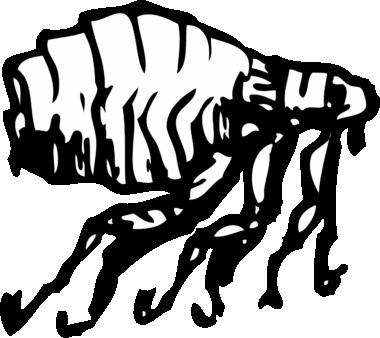
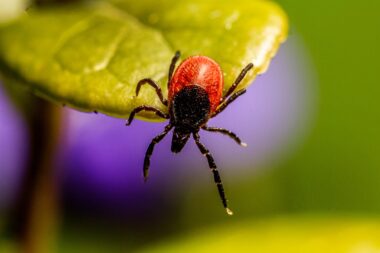
Understanding the life cycles of parasites that infect dogs is crucial for effective control and prevention. Parasites typically have complex life cycles, involving various stages where they can infect different hosts. Common parasites like fleas, ticks, and worms thrive in specific environments. Elimination of these parasites starts with familiarizing yourself with their life cycle stages. For example, flea life cycles include egg, larva, pupa, and adult stages. Interrupting this life cycle is essential for preventing re-infestation. Targeting each stage requires different strategies, including environment cleaning, treatments, and prevention methods. Regular vacuuming can significantly reduce the number of flea eggs and larvae. Make sure to wash bedding and areas your dog frequents regularly. Additionally, using preventive treatments available for your dog can help eliminate adult fleas before they can reproduce. Understanding the habits of ticks is also vital. Regularly checking your dog for signs of ticks after outdoor activities can minimize their presence. Proper flea and tick preventatives are crucial for ongoing management and should be discussed with your veterinarian. A comprehensive parasite management plan ensures your dog remains healthy and free from these bothersome pests, interrupting their life cycles effectively.
The Importance of Regular Veterinary Check-Ups
Regular veterinary check-ups play an integral role in preventing parasite infestations in dogs. Veterinarians are trained to identify the early signs of parasite infestations. They can provide essential vaccinations and broad-spectrum dewormers that help keep your pet healthy. During a check-up, your veterinarian can recommend parasite prevention tailored specifically to your dog’s lifestyle and environment. Consider discussing flea and tick prevention, especially if your dog spends much time outdoors. Furthermore, heartworm testing and prevention should be part of your dog’s yearly check-up routine. Heartworms are transmitted by mosquitoes and can cause severe health complications if left unchecked. By investing in routine vet visits, you arm yourself with knowledge about your dog’s health. The vet can assess your pet’s risk based on their unique exposure episodes, location, and other factors. Proper preventive care is always more effective than responding to an infestation after it occurs. Vets can also educate you about safe and effective home remedies to support your pet’s parasite control. Ultimately, building a strong relationship with your vet enhances your ability to combat parasites and help your dog thrive healthily, safe from harmful pests.
Environment management is crucial in interrupting the life cycles of dog parasites effectively. To achieve this, homeowners must take proactive measures to maintain a clean and safe environment. Start by regularly cleaning and disinfecting areas where your dog spends time, such as your home, yard, and dog park. Removing any organic debris, such as leaves or left-out food, can minimize the chance of attracting pests. Additionally, frequent lawn mowing and landscaping can reduce hiding spots for ticks and fleas. Use safe pesticides and insecticides when necessary, though be sure to consult your veterinarian about what is safe for your dog. Ensure any products you choose target the specific parasites that affect dogs. Incorporating beneficial nematodes into your garden can help control flea larvae populations naturally. Introduce natural predators and insects that help deter pests without harming your pets. Avoid taking your pet into areas known for high parasitic activity. Fence your yard to prevent contact with stray animals that may introduce parasites. Recognizing areas prone to infestations empowers you to take corrective action. A well-managed environment significantly lowers the risk of parasites entering your dog’s life.
Recognizing Signs of Infestation
Identifying signs of parasite infestations in dogs is foundational for proactive treatment and prevention. Common signs to look for include excessive scratching, biting, or licking at the skin. These behaviors often indicate the presence of fleas or ticks. Pets may also exhibit signs of discomfort, including restlessness or difficulty sleeping. If you notice any peculiarities in your dog’s coat, such as hair loss or redness, seek veterinary advice promptly. Worm infestations may present as weight loss, visible worms in feces, or abdominal swelling. Additionally, be vigilant about changes in your dog’s eating habits or gastrointestinal health. Diarrhea or vomiting can also accompany parasitic infections, signaling the need for immediate evaluation. Regularly check your dog’s ears for wax build-up and unusual odors, as ear mites can commonly affect pets. Maintain a close bond with your dog; they can communicate discomfort and distress non-verbally. Early detection of infestations allows for faster and more effective treatment before the issue escalates. Monitoring these behavioral and physical changes can ensure you provide timely interventions needed to keep your dog parasite-free.
Implementing a comprehensive parasite control routine is essential for effective management. Utilize a combination of preventive treatments that target various parasites, including topical treatments, oral medications, and collars. Discuss with your veterinarian what options work best for your dog’s lifestyle. It’s important to adhere to the recommended treatment schedule and ensure you provide consistent care. Adjustments may be needed based on seasonal changes or outdoor activities. Fleas and ticks are most active in warmer months, while other parasites may persist year-round. Research and consider natural remedies as adjuncts when appropriate. However, remember that natural doesn’t always mean safe, so always consult a professional before trying something new. Rotate treatments to prevent resistance development in parasite populations. Additionally, ensure that all pets in the household are on similar preventive measures, as they can easily transmit parasites to each other. Educate family members about identifying potential infestations to maintain vigilance. Keeping your dog’s environment free from parasites requires an ongoing commitment to their health. A thorough understanding of effective control measures ensures a solid plan is in place for managing dog parasites.
The Role of Diet and Nutrition
Diet and nutrition significantly influence your dog’s immune system, which plays a role in effectively managing parasites. Feeding your dog high-quality food that meets its nutritional needs is crucial for maintaining a robust immune system. A well-nourished dog has better defenses against parasites like fleas and worms. Incorporating probiotics into their diet can support a healthy gut and overall well-being. Healthy digestion can minimize the likelihood of intestinal parasites and enhance your pet’s ability to resist infestations. Additionally, certain foods can aid in naturally repelling pests. For example, garlic is sometimes touted for its insect-repellent properties. Avoid feeding your dog harmful foods that could impair their health and increase susceptibility to infections. Regular feeding can ensure consistent energy levels and a maintained metabolism, deterring parasites born of malnourishment. Consult with your veterinarian for specific dietary recommendations tailored to your pet’s age and health condition. Keep in mind that diet alone cannot eliminate parasites, but it plays a vital role in supporting a comprehensive prevention strategy. By focusing on optimal nutrition for your dog, you encourage long-term health and resilience against parasite threats.
Educating yourself about the specific types of parasites that can affect dogs is an essential step in prevention. Knowing the various parasites— including fleas, ticks, heartworms, and intestinal worms— and their respective life cycles is crucial. Educating involves not just reading here and there, but actively researching and engaging in discussions with professionals. Visit trusted veterinary websites and informative resources for the latest guidelines and best practices in pet care. Understanding transmission modes, habitats, and behaviors associated with these parasites can help you limit exposure risk. Remember that different regions may have varying parasite prevalence, which can affect your dog’s health. Awareness of the potential dangers in your area goes a long way in fostering preventive measures. Seek out local pet community groups to share insights or find peer support. Additionally, observe discussions regarding holistic approaches, as many pet owners share their experiences and solutions. Engaging with a community amplifies your understanding and empowers you to take proactive actions. Keep vigilant when it comes to your dog’s health, and encourage others in your circle to prioritize parasite education as well.