
A Comprehensive Guide to Dog Parasite Control Tools and Devices
Ensuring your dog’s health requires regular parasite control. Parasites can lead to severe health issues for your dog and potential risks for your family. Various tools and devices are available that cater specifically to preventing and managing parasite infestations. These include topical treatments, oral medications, and even natural alternatives. The effectiveness of each option generally depends on factors such as the type of parasite, the dog’s age, health status, and environment. Consulting with a veterinarian can assist in determining the best approach for your pet. Moreover, combination therapies can be effective, involving both preventive measures and prompt treatments. Choosing suitable parasite control tools is crucial for safeguarding your beloved pet’s wellbeing. Researching and understanding these products can equip dog owners with the knowledge to make informed decisions. Whether you prefer chemical treatments or natural remedies, make sure they are safe and effective for your dog. Make it a priority to invest time in parasite control methods to maintain your dog’s health and happiness.
Topical Treatments for Dog Parasites
Topical treatments are popular solutions for controlling fleas and ticks on dogs. These often come in the form of spot-on treatments that owners apply directly to the skin of their pets. The active ingredients work to kill or repel parasites upon application, providing both immediate and long-term protection. Popular options include products with ingredients such as fipronil and imidacloprid. Additionally, some products contain natural ingredients that can repel parasites without harsh chemicals. Regular application is key to ensuring effectiveness, usually recommended on a monthly basis. Dog owners should follow the instructions carefully to ensure proper usage and safety. Always check for product compatibility with your dog’s age and weight. Remember that topical treatments should not be mixed with other flea and tick products unless specified. After application, pet owners must observe their dogs for any adverse reactions. Consult with a veterinarian if uncertain about which topical treatment is suitable for your dog. With the correct application and the right product, topical treatments can significantly reduce the risk of flea and tick infestations.
Oral medications are another effective tool for controlling parasites in dogs. These medications treat and prevent various internal parasites, including worms such as roundworms, tapeworms, and hookworms. Typically, these treatments come in tablet or chewable forms that are easy to administer. The effectiveness of oral medications varies based on the active ingredients, such as praziquantel or fenbendazole. It’s essential for dog owners to follow the veterinarian’s dosing recommendations to ensure optimal results. Monthly administration is common for these medications, especially for dogs at high risk of infestation. Monitoring your dog for side effects after taking these medications is crucial; consult a vet if you notice any unusual signs. Oral medications can work alongside topical treatments for comprehensive parasite control. Regular fecal examinations can also help detect any infestations, allowing timely intervention. Discuss the frequency of deworming and any preventative measures with your veterinarian to create a personalized plan. By using oral medications and observing necessary precautions, dog owners can effectively manage and control parasitic threats.
Natural Alternatives for Parasite Control
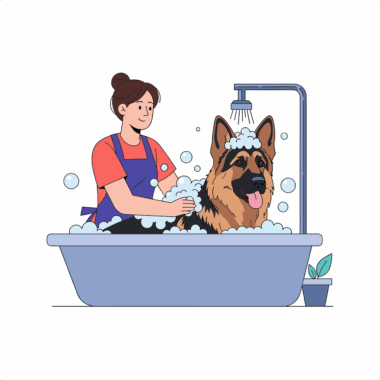
Many pet owners are exploring natural alternatives for managing dog parasites. These options provide a gentler approach that appeals to those concerned about chemical exposure. Some common natural remedies include essential oils like lavender and peppermint, known for their repellent properties. Other approaches involve dietary adjustments, like adding garlic or pumpkin seeds, which can help discourage parasites. However, pet owners must research these alternatives to ensure safety and effectiveness for their dogs. Some natural remedies may have side effects or interact with other medications. Always consult with your veterinarian before introducing new products or ingredients in your dog’s diet. Regular grooming, including baths and combing, can also help reduce parasite risks naturally. Keeping your dog in a clean environment is crucial; always check for any signs of parasites. While natural products can be useful, they may not provide the same level of protection as conventional treatments. A balanced approach often works best, incorporating both natural and traditional methods for effective dog parasite control.
Environmental control is an essential aspect of managing dog parasites effectively. Regularly cleaning your dog’s living spaces can help reduce the presence of fleas, ticks, and worms. Vacuuming can eliminate flea eggs and larvae, while washing your dog’s bedding in hot water destroys any remaining parasites. Additionally, treating your yard with appropriate pest control products can deter outdoor parasites effectively. Ensuring that your environment is adequately treated can make a significant difference in controlling re-infestations. Consider using both chemical and natural treatments around your home for a comprehensive strategy. Always follow the manufacturer instructions when applying any pest treatments to ensure maximum effectiveness and safety. Avoid using harsh chemicals where your pet frequents; instead, opt for more pet-friendly options. It’s advisable to consult a veterinarian for recommendations regarding safe products for your home environment. Regular inspections of your dog after outdoor activities are vital to catch any potential parasites early. Proactive environmental control measures can create a healthier space for both your dog and your family.
Grain-Free Diets and Their Role in Health
Many dog owners are adopting grain-free diets, believing they promote better health. However, these diets may also affect parasite management indirectly. Grain-free diets tend to be higher in protein and fat, which can support overall health and immune function. A healthy immune system is crucial when it comes to battling parasite infestations. However, transitioning to a grain-free diet requires thoughtful consideration. It’s essential to ensure nutritional balance to maintain overall canine health. Always consult a veterinarian to evaluate if a grain-free diet aligns with your dog’s health needs. It’s advised to monitor dogs on these diets closely for any adverse reactions or changes in health. While grain-free diets may provide benefits, they are not a substitute for traditional parasite prevention measures. Continue utilizing recommended parasite control tools and devices alongside dietary adjustments. Emphasizing a well-rounded approach ensures holistic health for your dog. Combining proper nutrition with effective parasite control methods offers the best chance for your dog to thrive and remain healthy.
Educating yourself about the various parasite control tools and devices available is essential for dog owners. Many products exist, and understanding their efficacy can make a significant difference. Researching customer reviews and consulting a veterinarian can provide valuable insights regarding the best options for your dog. Additionally, staying updated on new developments in parasite prevention technology can lead to improved strategies. Join online communities or forums to share experiences and tips with fellow dog owners. Ask questions about their success with different products, techniques, and recommendations. Organizations focused on pet health can also be a great information source. Don’t hesitate to explore professional sources when seeking advice regarding parasite control. Remember, the most effective strategy often combines multiple methods tailored to your dog’s unique situation. Regular monitoring of your dog’s health and adjustment of your parasite control methods is crucial. Empowering yourself with information ultimately leads to a healthier and happier dog. Prioritizing parasite control not only benefits your dog but also enhances the wellbeing of your entire household.