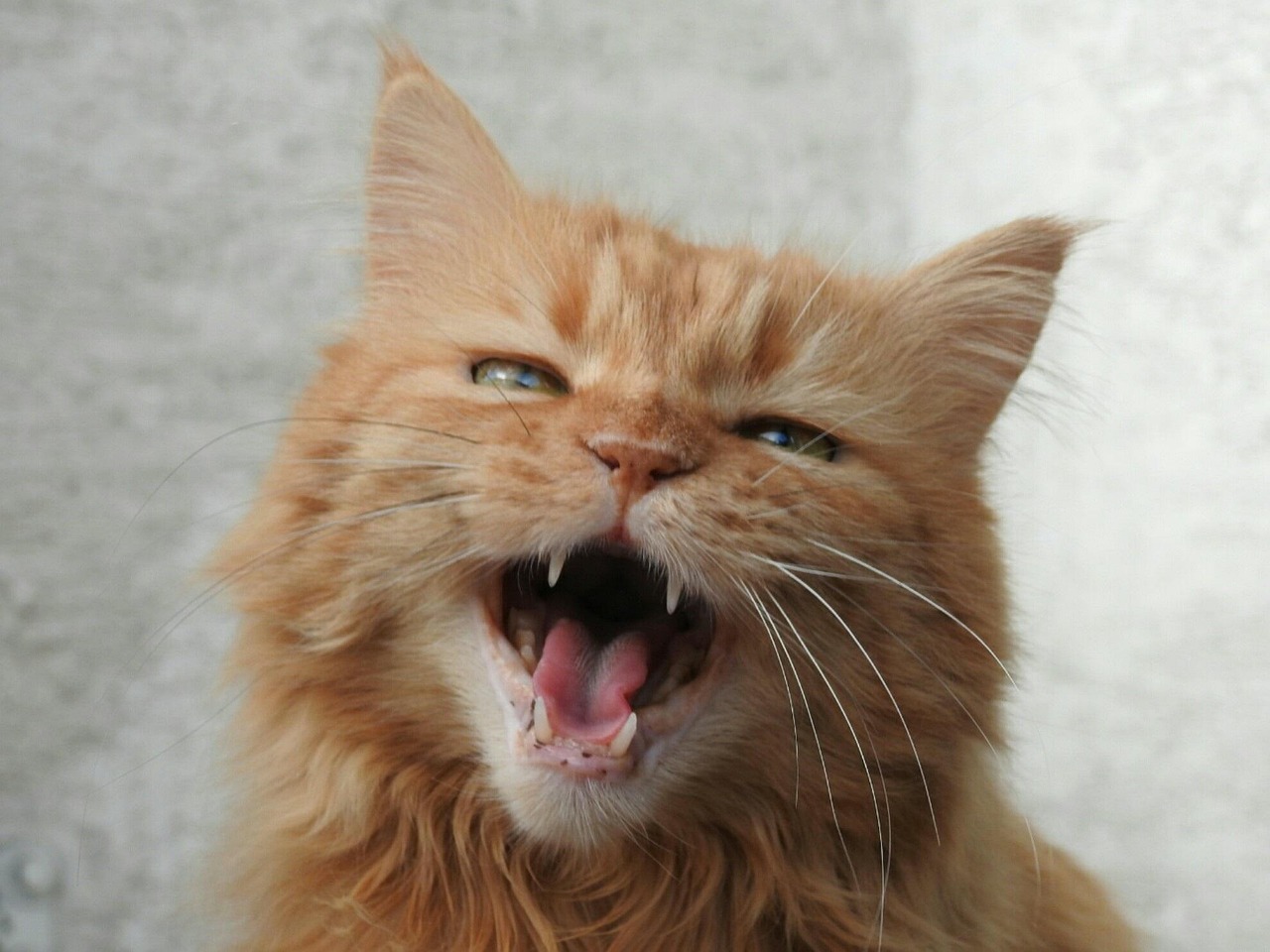

Behavioral Solutions to Excessive Meowing in Cats
Excessive meowing in cats can be a challenging behavior for pet owners. Understanding the underlying reasons is crucial to addressing this issue effectively. Cats may meow to express various emotions, such as hunger, discomfort, or a desire for attention. Each cat is unique, and their vocalizations can vary widely. Owners must first observe their cat’s body language and environment. Look for patterns: does the meowing occur at specific times or in response to certain stimuli? Cats often communicate their feelings or needs through vocalizations. Identifying when your cat is most vocal can provide insight. They might meow more when bored or anxious. If your cat seems to seek interaction, it might be that they genuinely want companionship. Always try to understand the context behind their behavior, as it plays an important role in finding a solution. If the behavior persists despite changes in environment or routines, professional guidance may be necessary. Consulting with a veterinarian can help rule out any medical issues that could be causing excessive meowing.
One effective way to manage excessive meowing is through enhanced environmental enrichment. Cats are naturally curious and intelligent creatures that need mental and physical stimulation to stay balanced. Consider providing interactive toys and puzzles that require your cat to engage their hunting instincts. Rotate these toys regularly to keep your cat interested. Additionally, creating vertical spaces can encourage healthy play and exploration. Cat trees or shelves allow them to climb, survey their surroundings, and play at different heights. Engaging in regular playtime with your cat can also reduce boredom and excessive vocalizations. Use feather wands, laser pointers, or balls to encourage activity. Set aside time daily to play, fostering a bond and helping your cat release pent-up energy. If your cat is sociable, consider introducing another cat or pet to provide company and lessen loneliness. However, make introductions carefully and consider your cat’s temperament. Keep in mind that every cat is different, so what works for one may not work for another. Observing which strategies yield positive changes will be key in managing their meowing effectively.
Another possible cause for excessive meowing is medical issues that require attention. Cats may vocalize more than usual when experiencing pain, discomfort, or other health concerns. A thorough veterinary examination can help identify any underlying conditions, such as arthritis, dental problems, or even hyperthyroidism, which is known to cause increased vocalization. If your cat suddenly begins to meow more than usual, it’s essential to consult a veterinarian. Sometimes, a simple solution can alleviate the problem, providing relief for both the cat and the owner. It’s also beneficial to maintain regular health check-ups, as this will ensure your feline companion stays healthy and happy. Keep track of your cat’s behavior and note any changes or patterns in their meowing. This record can be helpful for your veterinarian during examinations. If a medical issue is ruled out, this information can further assist in determining behavioral solutions. Remember, some breeds are naturally more vocal, so genetics can also play a role in vocalizations. If long-term medical problems are present, you’ll need to adapt your strategies accordingly.
Training Techniques to Curb Excessive Meowing
Positive reinforcement is an effective training technique to reduce excessive meowing. Instead of responding immediately to your cat’s meows, wait for a quiet moment before giving attention. This approach teaches your cat that quiet behavior is rewarded, while excessive vocalizations won’t yield responses. Consistency is key: ensure all household members understand and follow this practice. When your cat meows excessively, ignore the behavior, offering attention only when they calm down. Along with this technique, consider using clicker training. You can train your cat to be quiet on command by clicking and rewarding when they are silent. Gradually, you will build a communication routine that minimizes excessive meowing. Start in a calm environment to eliminate distractions. Be patient, as training takes time, and every cat learns at their rhythm. If you notice improvement, celebrate small victories, as these will motivate your cat. Remember, training is a journey, and it’s essential not to emphasize punishment, as it may create anxiety. Focus on building trust and understanding between you and your cat, leading to a happier home.
Managing your cat’s vocalization may also depend on their daily routines. Consider their feeding schedules, play sessions, and overall activity levels. Cats thrive on routine and consistency, and unpredictable changes can lead to excessive meowing as they express their uncertainty or anxiety. Establish a daily schedule for feeding, playtime, and even quiet time to meet their emotional needs. Make sure your cat has enough physical activity to reduce boredom, especially if you are away for extended periods. Investing in puzzle feeders can provide mental stimulation during feeding times, making mealtime more engaging. Additionally, ensure your cat has a comfortable space for relaxation and rest, such as a cozy bed or a sunny window perch. This layout promotes peace, reducing stress and excessive vocalizations. Cats may meow when they feel anxious or uncertain; a calm environment can significantly decrease their need to vocalize. The goal is to create an enriching experience that fulfills their emotional and physical needs, thereby reducing the likelihood of excessive meowing. Consistent routines can contribute significantly to a sense of security for your feline friend.
Seeking Professional Help
If you’ve implemented various strategies without success, seeking professional help is a valid and effective option. Animal behaviorists specialize in addressing problematic behaviors like excessive meowing. These experts can provide tailored recommendations based on your cat’s specific circumstances. They may conduct an in-home consultation where they observe your cat’s behavior in their environment. This assessment offers insights that you might not notice yourself. Behaviorists can offer training methods, environmental modifications, and advice to help alleviate meowing issues. Additionally, if anxiety or stress is a factor, they may suggest calming products, such as pheromone diffusers or anxiety wraps that can help soothe your cat. Do not hesitate to seek out veterinary behaviorists, as they can offer guidance and support. Don’t feel discouraged; every cat is different, and finding the right solution may take time. Understanding your cat’s needs and expressing those factors can significantly improve their behavior and your relationship. Remember, patience and persistence are essential as you work together to find the best solution for your cat’s vocalization issues.
Maintaining a calm and loving environment is essential to managing excess meowing. Recognizing the signs of stress in your cat can help identify factors contributing to their vocalizations. Ensure they have safe, quiet spaces away from noise and chaos, and provide toys to keep them entertained. Address any sources of stress in the household that may be affecting your cat, such as loud noises or disruptive activity. This peaceful atmosphere will promote their well-being and likely reduce excessive vocalization. Additionally, fostering a bond through gentle play and affection will reassure your cat they are safe and loved. Regular interaction not only strengthens your relationship but also satisfies their social needs. For particularly vocal cats, consider adding calming elements, like soft music or pheromone plug-ins, to create a serene environment. Remember that a happy, well-adjusted cat is less likely to resort to excessive meowing to express their feelings. Your cat’s comfort and security are crucial aspects of their behavior. Focus on building trust and understanding, and over time, you should see improvements in your cat’s vocal behavior.
In conclusion, managing excessive meowing in cats requires patience, understanding, and a variety of techniques. From providing environmental enrichment to establishing routines, each approach plays a role in addressing the behavior effectively. Observing your cat’s behavior and ensuring they are healthy is the first step to find appropriate solutions. If health issues have been ruled out, applying consistent training techniques can lead to significant improvements. Remember to reward quiet behaviors while keeping your cat stimulated and engaged. Seeking professional help is also a constructive option when DIY methods do not yield desired results. Animal behaviorists can provide expertise in handling complex situations. Creating a loving, calm environment for your feline can reduce stress and prevent excessive meowing. Ultimately, a happy cat means a tranquil home. Refine your strategies based on your observations and your own cat’s personality. Every cat is an individual, and what works for one may not be suitable for another. Emphasizing patience and commitment ensures your journey with your cat will strengthen your bond and lead to a harmonious coexistence.