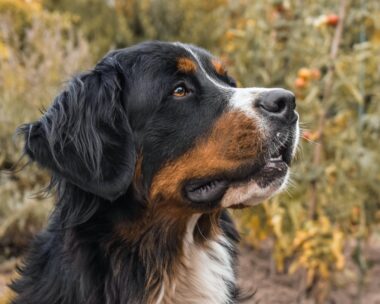

Bernese Mountain Dog Breeding Considerations and Ethics
When it comes to breeding Bernese Mountain Dogs, there are numerous factors to take into account. Choosing healthy parent dogs is crucial. Health testing should cover everything from hip dysplasia to genetic disorders. Many breeders opt to join breed clubs that set ethical breeding standards. Understanding the breed’s temperament and conformational traits is essential; the ideal Bernese Mountain Dog is a friendly, loyal, and stable companion. Potential breeders must also familiarize themselves with genetics, ensuring a responsible mix that prevents inherited health problems. A focus on longevity and vitality can lead to healthier puppies. Nutritional needs must be understood throughout the breeding process, as proper nourishment impacts both the mother and pups. Socializing the puppies adequately early on can have lasting effects. Furthermore, prospective owners should be carefully screened, ensuring they understand the breed’s unique characteristics, thus avoiding neglect. All these considerations enhance the ethicality of breeding practices. Communication with experienced breeders can also provide valuable insights into the breed. A brick-and-mortar location where the puppies can thrive should be prioritized to support proper development.
Finding a suitable mate for a Bernese Mountain Dog is another essential breeding consideration. Dogs must not only meet breed standards but also have complementary temperaments and genetics. Reliable pedigree research can provide insight into lineage, avoiding unwanted hereditary issues. It is imperative to consult with professionals, such as veterinarians or canine geneticists, when making breeding decisions. They can advise on optimal breeding times, health checks, and potential risks. Breeders should also keep accurate documentation, tracking health tests, breedings, and outcomes. This documentation aids in making informed reproductive decisions in the future. Additionally, genetic testing for breed-specific diseases helps in selecting partners who are unlikely to pass on genetic disorders. Understanding the breed’s history also enriches knowledge about what to aim for in breeding practices. Ethical breeders prioritize puppy placements as much as breeding, ensuring that each puppy goes to a loving, capable home. Responsible breeding takes commitment, extensive knowledge, and a deep sense of empathy for the breed and its well-being. As responsible breeders, fostering a nurturing environment where dogs thrive will ultimately uphold the breed’s integrity.
Responsible Breeding Practices
Breeders must understand the responsibility of providing lifelong support to new puppy owners. Following puppy placements, education on care and socialization is crucial; this leads to well-adjusted adult dogs. Regular communication with puppy owners ensures that they are meeting their dog’s needs and supports positive outcomes. Offering guidance on training and health maintenance helps enhance the bond between owner and dog. Many successful breeders organize reunions for puppy owners, promoting socializing opportunities. This sense of community fosters relationships among owners and strengthens bonds between them and their pets. Ethical breeders also take back dogs if circumstances become untenable for owners, emphasizing their lifelong commitment. Establishing a robust health guarantee can be beneficial, providing peace of mind for new owners. This should outline the breeder’s responsibility towards health problems that may emerge. Overall, the goal is to nurture puppies that contribute positively to families and the community. Building a trust-based relationship with owners fosters a sense of responsibility. Utilizing social media and websites can help connect with potential owners while sharing successes and tips on Bernese Mountain Dogs.
Investing in lifelong education about the Bernese Mountain Dog is essential. Breeders should continuously update their knowledge regarding health, care, training, and ethical practices within the breeding community. Attending workshops and conferences offers opportunities for further learning. Networking with fellow breeders also encourages the exchange of best practices, ultimately benefiting the breed. Additionally, engaging with well-respected breed organizations can provide resources and guidance on ethical breeding practices. Awareness of current trends and scientific advancements aids in making informed decisions. This engagement supports an understanding of breed variation while ensuring that breeders adhere to evolving standards. Additionally, volunteering for breed rescue organizations can impart invaluable lessons about the breeds’ challenges and needs. Consequently, breeders can be more empathetic and responsible in their approach. Advocating for shelter and rescue dogs also adds a layer of social responsibility to the breeding program. By highlighting these contributions, breeders can emphasize ethicality in collating knowledge and resources in the community. These advancements allow breeders to improve breeding practices, ensuring they are aligned with the best standards for the Bernese Mountain Dog.
Health Testing and Genetic Awareness
Taking action to ensure rigorous health testing for Bernese Mountain Dogs is pivotal to a responsible breeding program. Potential breeders should be familiar with testing guidelines and common health issues related to the breed. These may include conditions such as progressive retinal atrophy, hip and elbow dysplasia, and certain types of cancers. Regular testing before breeding contributes to constructing a healthier gene pool. Utilizing genetic testing can help assess risks and ensure compatibility between mating pairs. Starting from health tests to eventual puppy check-ups, maintaining excellent veterinary care is essential. Comprehensive examinations should document health status at various life stages. Importantly, ethical breeders must share comprehensive health information with potential prospective buyers, creating transparency. All puppy buyers should be educated about breed-specific issues and aware of the potential that may affect them. Proactive education provides puppies with a greater chance of a healthy life, promoting breed longevity. Moreover, understanding genetic lines and their predispositions allows breeders to make informed decisions. Overall, a proactive approach fosters the development of a healthier, happier breed.
Taking an interest in the breed’s specific socialization needs can enhance puppies’ adaptation in their new homes. Early exposure to diverse environments, sounds, and interactions is crucial for Bernese Mountain Dogs’ behavioral development. Breeders should prioritize socialization during the critical early weeks while implementing positive reinforcement techniques. Puppy classes and playdates with other dogs encourage essential social skills. Gradually introducing new situations reduces the likelihood of developing fear-related issues later. Furthermore, understanding canine body language can help both breeders and owners manage interactions effectively. Providing guidance on creating a positive environment will encourage confident, well-adjusted adult dogs. Equally important is teaching the importance of gradual introductions to unfamiliar situations, aiding in better adjustment. Breeders can also facilitate this by tracking early interactions, identifying any behavioral concerns. In cultivating awareness and appreciation for the breed, breeders can contribute positively to the awareness of responsible ownership. Open dialogue between breeders and owners significantly contributes to this process. Overall, a strong foundation in socialization during developmental stages will yield thriving adult Bernese Mountain Dogs.
Conclusion: The Joy of Breeding Bernese Mountain Dogs
The joy of breeding Bernese Mountain Dogs comes with the responsibility to ensure health, temperament, and ethical practices are at the forefront. By prioritizing responsible breeding methods, breeders can ensure that each puppy has a chance at a fulfilling life. Ethical practices build solid relationships, thereby shaping a positive atmosphere for dogs and owners alike. By providing ongoing support, breeders contribute to the happiness and success of the puppies in their new homes. Furthermore, a commitment to continuous education is vital for the long-term well-being of both the breed and the puppies produced. Breeders should never lose sight of the big picture—ensuring that Bernese Mountain Dogs are loved, well cared for, and supported throughout their lives. Advocating for responsible breeding practices can strengthen the breed’s integrity and promote the admiration of Bernese Mountain Dogs. Ultimately, breeders who embrace these principles will add to the legacy of this beloved breed. Fostering positive relationships both within the breeding community and with puppy owners significantly contributes to nurturing successful, well-adjusted adult dogs.
In conclusion, breeding Bernese Mountain Dogs is both a privilege and a responsibility. Careful planning, ethical practices, and health awareness are key components of successful breeding. By preparing for the challenges ahead and committing to the breed, breeders play a vital role in preserving the quality and character of Bernese Mountain Dogs. Ensuring proper health testing, advocating for ethical ownership, continuous education, and strong community support form the foundation for responsible breeding. Connections among breeders, breed clubs, and puppy owners create an enriching environment for sharing knowledge. This enables best practices to flourish while ensuring a thriving and healthy breed. Encouraging a love for Bernese Mountain Dogs through ethical and compassionate breeding will contribute positively to future generations. Ultimately, the future of the breed rests on the collective efforts of all involved in its care. The Bernese Mountain Dog deserves dedicated advocates who are passionate about both the breed’s future and their happiness. Together, breeders, owners, and enthusiasts can create a legacy that honors the Bernese Mountain Dog’s remarkable qualities, bringing joy and companionship for many years to come.