
Canine Osteochondritis Dissecans (OCD): Signs, Causes, and Therapy
Canine Osteochondritis Dissecans (OCD) is a significant orthopedic condition affecting dogs, primarily young, rapidly growing large breeds such as Golden Retrievers, German Shepherds, and Labrador Retrievers. This disease results from abnormal cartilage development in joints, often leading to inflammation and pain. The condition develops when the cartilage does not properly mature, resulting in a thickened area that may break off and become loose within the joint. This cartilage fragment can loose friction, adding to the discomfort your pet experiences. Understanding the early signs of OCD is essential for pet owners to seek timely veterinary attention. Common symptoms include lameness, swelling, decreased range of motion, and reluctance to engage in physical activities. Over time, the condition can lead to chronic arthritis if left unaddressed. Prompt diagnosis is crucial, as this will help to manage symptoms effectively and preserve your dog’s mobility. An evaluation usually includes physical examinations alongside veterinary imaging techniques, such as X-rays, to confirm the diagnosis.
Identifying Signs of OCD in Dogs
Identifying the signs of Osteochondritis Dissecans (OCD) in dogs is critical as early detection leads to better treatment outcomes. Owners often notice that their dogs exhibit signs of discomfort when walking or playing. Signs may be more pronounced after exercise or playtime. Key indicators include a specific lameness in a leg, which can sometimes shift positions, causing other legs to become affected over time. Dogs with OCD may also exhibit a lack of interest in physical activities they once enjoyed, such as fetching or running. An obvious sign is swelling around affected joints, especially in the elbow or shoulder area. Owners might also notice their pet favoring a limb or showing signs of pain when pressure is applied. Manipulating the leg may elicit crying or a defensive reaction from the animal, indicating that they are in pain. Regular veterinary checkups are essential for monitoring at-risk breeds. Early intervention can significantly improve a dog’s quality of life and mobility, so staying vigilant about these signs is imperative for dog owners.
The causes of Canine Osteochondritis Dissecans (OCD) are multifactorial, including genetic predisposition, nutrition, and environmental factors. Certain breeds are more susceptible than others, indicating a possible genetic link. Nutritional factors, including excess caloric intake or imbalanced diets rich in calcium and phosphorus, can accelerate growth rates, potentially worsens the development of OCD. Weight management is also crucial, as overweight dogs are at a higher risk for joint problems. High-impact activities during a dog’s developmental stages may contribute to joint stress and the onset of OCD. Injury to joints is another factor that may exacerbate the condition. Ultimately, it is a combination of genetic, environmental, and lifestyle influences that contribute to the development of OCD. Moreover, rapid growth in large breeds places additional strain on developing cartilage. Pet owners should be aware of these risks and ensure they provide their pups with a balanced diet, appropriate exercise, and regular veterinary care to reduce the chance of this orthopedic disorder.
Diagnosis and Veterinary Evaluation
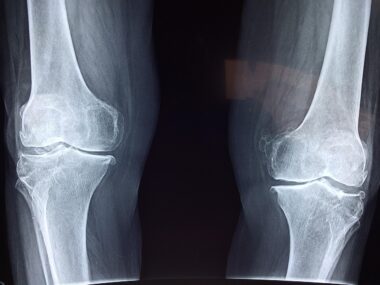
Veterinary evaluation is a crucial aspect of diagnosing Canine Osteochondritis Dissecans (OCD). If an owner suspects their dog may have OCD based on observed symptoms, it is imperative to consult with a veterinarian. A thorough examination will typically start with a detailed medical history and physical examination focused on the affected joint. The veterinarian will assess the range of motion and check for pain or swelling. Upon visual inspection, they may recommend radiographic imaging techniques to confirm the diagnosis. X-rays can help identify loose cartilage fragments or other visible signs of disease. In some cases, MRI may be necessary for a comprehensive evaluation of soft tissues. Early diagnosis is beneficial as it allows for timely intervention, which may prevent further joint damage and enhance the chances of recovery. Follow-up visits are often recommended to monitor progress and adjust treatment plans accordingly. Pet owners should ask questions and discuss potential management options with their veterinarian to ensure they understand the best course of action for their dog’s condition.
Management and therapy for Canine Osteochondritis Dissecans (OCD) typically involve a multi-faceted approach tailored to the individual dog’s needs. Treatment options may vary based on the severity of the condition, the age of the dog, and overall health status. Conservative management often includes weight control, restricted activity, and physical therapy to promote joint health and mobility. Medication such as non-steroidal anti-inflammatory drugs (NSAIDs) may be prescribed to alleviate pain and reduce inflammation. In cases where OCD is more severe, surgical intervention may be warranted. Surgery may involve removing loose cartilage fragments or repairing damaged cartilage. Post-operative care is critical, as rehabilitation plays an important role in recovery. Follow-up vet visits provide insights into your dog’s healing process and modifications needed in the treatment plan. It is essential for owners to remain proactive in observing their dog’s behavior and symptoms during recovery, allowing for adjustments to be implemented as necessary. A collaborative relationship between the dog owner and veterinarian can significantly enhance the treatment experience for dogs suffering from OCD.
Long-Term Prognosis for Affected Dogs
The long-term prognosis for dogs diagnosed with Osteochondritis Dissecans (OCD) largely depends on the severity of the disease and the type of intervention received. Early diagnosis and prompt treatment generally lead to a favorable recovery, allowing dogs to return to their normal activities. However, if left untreated, OCD can result in chronic pain, lameness, and early onset of osteoarthritis, which could severely impact a dog’s quality of life. Following surgical intervention, many dogs typically demonstrate significant improvement, although some may experience recurring symptoms or joint issues later in life. Veterinary follow-ups are imperative for monitoring the dog’s condition and functional status. Regular exercise with appropriate limitations can help in maintaining joint health. Implementing joint supplements, like glucosamine or chondroitin sulfate, may also benefit some dogs as a part of ongoing management. Ultimately, successful treatment and rehabilitation can lead to a good quality of life for dogs affected by OCD. Pet owners must work closely with their veterinarians to create personalized care strategies that address the unique challenges faced by their furry companions.
In addition to medical approaches, preventative measures for Osteochondritis Dissecans (OCD) can play a significant role in keeping dogs healthy. Educating pet owners about breed predisposition and environmental influences can assist in reducing the incidence of this orthopedic disorder. Easing heavy exercise regimens for young, growing dogs may decrease joint strain. Ensuring that dogs maintain a healthy weight through a balanced diet and regulated activity helps mitigate stress on developing joints. It is crucial for owners to provide appropriate levels of exercise according to their dog’s age and breed. Regular check-ups with the veterinarian help detect any early signs of joint problems, fostering timely intervention. Owners should also be mindful of the types of surfaces their dogs are exposed to, as slippery or uneven surfaces can increase the risk of joint injuries. Providing joint support through supplements or special diets can also contribute positively to a dog’s orthopedic health. Ultimately, proactive measures combined with vigilant pet care can significantly lower the risk of developing OCD, ensuring happier and healthier lives for our canine companions.
Final Thoughts on Canine Osteochondritis Dissecans
In conclusion, a comprehensive understanding of Canine Osteochondritis Dissecans (OCD) is vital for dog owners concerned about their pets’ orthopedic health. Recognizing the signs and symptoms early can facilitate faster diagnosis and management, leading to better overall outcomes for affected dogs. Having a supportive relationship with a veterinarian will support informed decisions regarding treatment and care strategies. Consensus on the best interventions should also be prioritized, whether conservative management or surgical options. Future research on potential genetic factors and the role of nutrition may illuminate further insights into this condition. Pet owners have an active role in monitoring their dog’s well-being and making necessary lifestyle adjustments to prevent the disease. Ensuring regular exercise, proper nutrition, and immediate veterinary care can collectively contribute to a dog’s longevity and quality of life. The journey of managing OCD can be challenging, but with appropriate care, many dogs achieve positive outcomes, maintaining active lifestyles post-treatment. The emphasis on dog owner involvement in treatment and awareness can help in combating the prevalence of OCD and enhancing our canine companions’ lives.