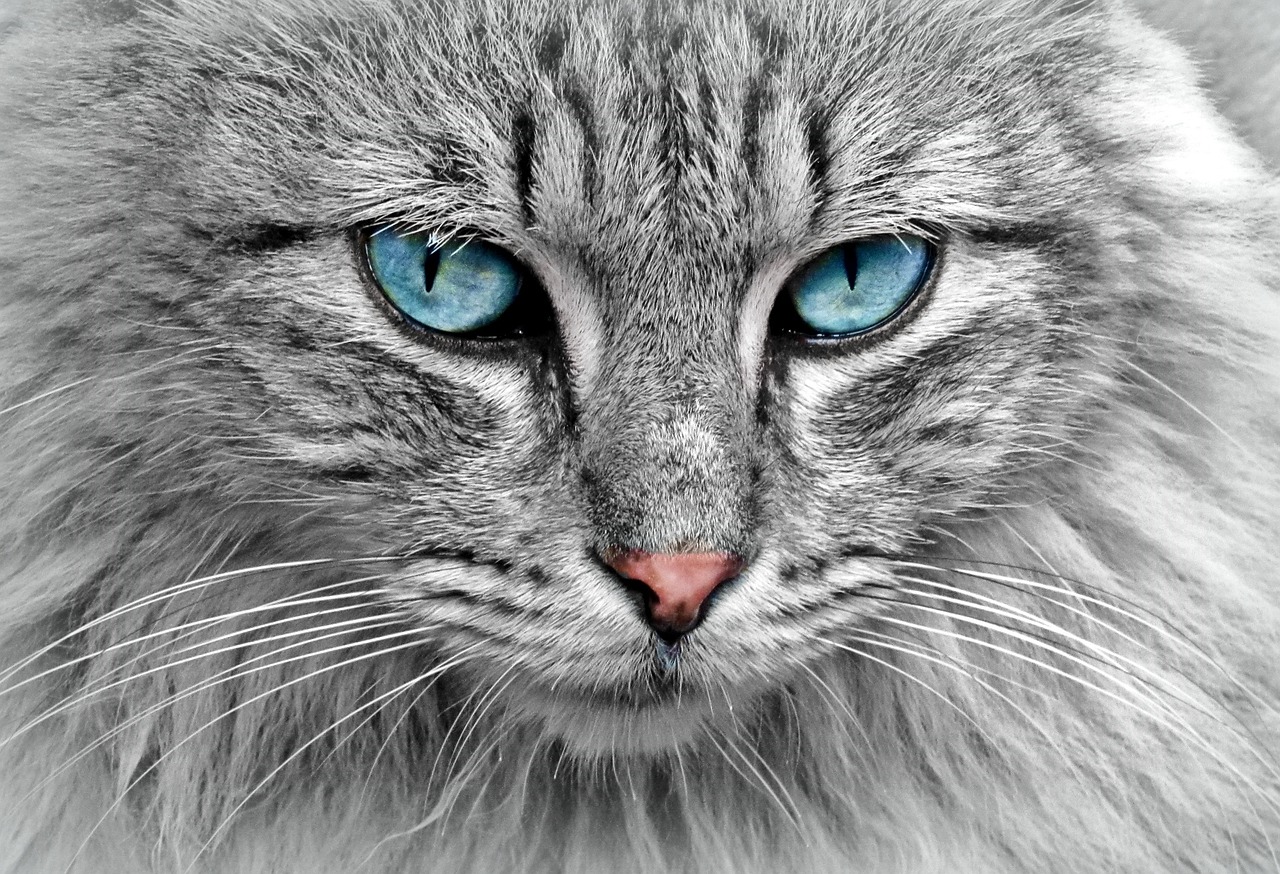

Signs Your Cat May Need More Zinc in Their Diet
Zinc plays a vital role in your cat’s health, promoting a strong immune system and overall well-being. A lack of zinc can lead to various health issues, making it essential for pet owners to recognize when their feline friends may need more of this vital nutrient. Observing changes in your cat’s behavior and physical condition can give you clues about their zinc levels. Notably, frequent sickness or infections may indicate an underlying zinc deficiency. Cats that are not getting enough zinc may struggle to fight off infections, leading to persistent health problems. Additionally, pay close attention to their appetite. A reduced interest in food can be a sign that your cat is lacking essential nutrients. Hair loss or a dull coat is another clue that your cat might need more zinc. If you notice these signs, consider consulting your veterinarian to discuss dietary adjustments. Remember, a well-balanced diet is the best way to ensure your cat’s health. This includes appropriate supplementation if necessary for optimal nutrition.
Cats that exhibit behavioral changes might also have lower zinc levels in their system. Frequent irritability or lethargy can be indicators that they are not receiving adequate nutrition, particularly zinc, which is essential for energy metabolism. Observe if your cat becomes more withdrawn or less playful than usual. These changes could hint at nutritional deficiencies that require attention. Zinc impacts cellular functions crucial for maintaining healthy skin and fur. If you notice scaly patches or lesions developing on their skin, it can be a sign of zinc deficiency. Furthermore, persistent skin issues might signal the need for dietary evaluation including zinc-rich options. Cats that suffer from persistent infections or realize slower healing from cuts and scrapes may also fall in this category. Nutrient deficiencies can dramatically affect the recovery process; therefore, prompt attention is crucial. Consulting with your vet about zinc-specific supplements might be beneficial. Implementing these changes can lead to improvements in your pet’s health over time. Ensuring a balanced diet tailored to your cat’s specific needs is essential.
Understanding Zinc’s Role in Diet
It’s essential to understand how zinc functions within your cat’s body. As a trace element, zinc supports various biological processes such as immune system function and skin health. Not only does it assist in protein synthesis, but it also contributes to DNA synthesis and cell division. Inadequate zinc levels can impair these processes, leading to overall health problems. Your cat’s food may not always provide enough zinc, especially with commercial diets that may lack proper nutrition. High-quality, zinc-rich raw or wet foods can be a great source to ensure proper zinc intake. Remember to consider your cat’s age, size, and activity level when assessing their dietary needs. Pregnant or nursing cats, for example, have heightened nutritional requirements, including zinc. Please, always be aware of the balance in your cat’s diet. Excess zinc can cause toxicity and health complications, leading to symptoms such as vomiting or lethargy. Monitoring your cat’s overall diet will help in maintaining adequate levels of nutrients including zinc to preserve their health.
In addition to dietary sources, certain symptoms can indicate your cat’s requirement for more zinc. If you see your pet frequently scratching or licking their skin, it may signify an issue with skin health linked to insufficient zinc levels. Skin conditions such as dermatitis can be exacerbated by these deficiencies. Similarly, gastrointestinal issues like diarrhea or vomiting might arise from nutrient imbalances, including low zinc. Your cat’s immune health correlates directly with zinc availability; manage infection and inflammation risks through proper nutrition. Signs such as a compromised immune system can have dire consequences if neglected. Another noticeable indicator to watch is changes in your cat’s overall appearance, particularly in their coat. A dull or greasy coat is commonly associated with inadequate diet. If you notice these changes, be proactive in seeking veterinary advice. Dietary adjustments, including increasing zinc-rich foods like meat or offering supplements, could restore health. Consulting with a veterinarian ensures you’re on the right track, considering your cat’s unique health needs.
The Benefits of Supplementation
Incorporating zinc supplements into your cat’s diet can be incredibly beneficial, particularly if they show signs of deficiency. Supplements come in various forms, including tablets, chews, or powders, making them easy to administer. When selecting a supplement, always consult with your veterinarian for appropriate dosage and product recommendations. Over-supplementation can lead to toxicity, so proper guidance is crucial. Zinc plays a critical role in wound healing, and an increase could expedite recovery. Cats healing from surgery or injuries may gain tremendous benefits from enhanced zinc levels. Aside from physical health, adequate zinc supports mental wellness by helping improve your pet’s energy and mood. An energetic cat often has a more vibrant personality and overall improved behavior. Regular check-ins with your vet can help you gauge how your cat is responding to any dietary changes. Focusing on nutrient balance can lead to a happier life for both you and your furry companion. Regular monitoring ensures you maintain optimal health and longevity for your pet, fostering a better living environment.
Finally, remember that preventing zinc deficiency is ideally accomplished through a well-rounded diet. Focus on providing your cat with nutrient-dense foods featuring high bioavailability. This means choosing high-quality protein sources as well as plant-based ingredients known to help with nutrient absorption. Natural food sources, like meat, eggs, or fish, are often the best for delivering essential zinc to your kitty. Furthermore, monitor any food allergies or sensitivities your cat may have; this can impact their overall nutrition. Be prepared to rotate diets if necessary to maintain proper zinc levels. Engage in regular discussions with your veterinarian about any changes or concerns that arise regarding your cat’s nutrition. Keeping an open line of communication is vital for your cat’s health journey. Ultimately, identifying signs of zinc deficiency is crucial for ensuring your cat remains healthy and active. A proactive approach will promote better overall well-being. A happy, healthy cat leads to a stronger bond between you and your beloved pet, enhancing quality of life for everyone.
Conclusion: Ensuring Balanced Nutrition
In conclusion, recognizing the signs of zinc deficiency in your cat is essential for maintaining their health and well-being. By observing behavioral changes such as lethargy, irritability, or diminished grooming activities, pet owners can take appropriate steps to address potential zinc shortages. A nutrient-rich diet along with professional guidance can significantly improve your cat’s overall condition. Be vigilant in watching for skin issues and any changes in appetite, as these are strong indicators that something may be off in their diet. Ensuring a balanced nutritional intake is crucial, so investing in high-quality cat food with adequate zinc content is recommended. Engage with your veterinarian to create a dietary plan tailored to your cat’s specific needs. Supplements can augment their diet if necessary, but they should be administered under veterinary advice to prevent any adverse effects. Keeping your cat healthy and happy is an ongoing process of education, observation, and adjustment. A small step today can yield significant benefits in your cat’s health tomorrow, leading to a long, healthy, and active life for your furry companion.
Implement these strategies and stay informed about your cat’s health. Keeping a close eye on your pet’s behavior, physical condition, and dietary intake will help you provide the best care. Always seek out high-quality ingredients in their food and consider options that contain adequate levels of zinc. Being proactive about your cat’s nutrition can prevent future health issues and ensure they remain energetic and playful for years to come. Building a strong foundation of health through diet will lead to a more vibrant life for your feline friend. Regular veterinary check-ups and consultation will help you tailor their diet to meet their evolving needs. Learn to recognize the signals your cat sends regarding its health and dietary needs. The more you understand these signs, the better prepared you will be to address any nutritional deficiencies. Remember that diet is a crucial part of your cat’s overall wellness plan. Simple adjustments can make a significant difference in how your cat feels and functions daily. A little effort now can go a long way towards ensuring a long, healthy, and happy life for your beloved pet.