
Stress Reduction Techniques for Cats Prone to Overgrooming
Excessive grooming in cats can signal stress and anxiety that pet owners must address for their cat’s well-being. Understanding your cat’s behavior is critical in addressing the issue effectively. Stressful situations can lead to compulsive grooming as a form of self-soothing. It becomes a vital task to differentiate between normal grooming and overgrooming behavior. Observe your cat closely for signs of distress, such as excessive meowing, hiding, or changes in litter box habits. Providing an enriched environment can help alleviate stress factors. Cats greatly benefit from mental and physical stimulation, which can distract them from grooming. This can include providing climbing structures, engaging toys, and interactive play sessions with their owners. Moreover, consider behavioral modification techniques if your cat is prone to overgrooming. Consulting with a veterinarian specializing in feline behavior is crucial to developing an effective plan. Medications or calming supplements may also be warranted, especially if the behavior persists. Ensure you follow professional advice closely. Importantly, always monitor changes in your cat’s behavior or health as excessive grooming can cause skin issues as well.
Creating a stress-free environment is vital for preventing excessive grooming. One of the key strategies includes establishing a safe, quiet space for your cat to retreat to when stressed. Incorporate comfortable bedding, quiet toys, and their favorite blanket to create a cozy sanctuary. This space can act as a refuge during stressful environments like family gatherings or loud noises. Additionally, essential oil diffusers with feline-friendly scents can aid in relaxation. Always ensure that any products used are non-toxic and safe for cats. Another useful technique includes interactivity, where feeding puzzles and toys can provide mental stimulation. Engaging your cat in playtime sessions frequently can also create a bond and help them manage anxiety. Remember to choose toys that cater to their natural instincts. For outdoor access, consider cat-friendly walks or playtime within a secure area. This will allow your cat to explore the environment safely. Regular exercise greatly contributes to your cat’s overall happiness and well-being. Having a structured routine can give them a sense of security, further reducing their anxiety levels and, consequently, their grooming habits.
Behavioral Modifications and Techniques
Behavioral modification techniques specifically designed for overgrooming can significantly improve your cat’s mental health. Start with positive reinforcement, rewarding desired behaviors rather than punishing unwanted ones. When your cat engages in appropriate activities instead of grooming, offer treats, affection, or praise. This helps create a positive association with specific behaviors. Introduce distraction techniques during potential stress triggers. For instance, when you notice stress signals, redirect their attention with interactive play or a new toy. Gradually desensitize your cat to stressful stimuli by introducing them slowly. This gradual exposure can help them adjust to situations that usually cause anxiety. Implementing regular routines can promote stability in your cat’s daily life, reducing uncertainties that lead to stress. Additionally, providing scratching posts can serve as an outlet for nervous energy, steering them away from grooming. If your cat’s behavior does not improve, consider consulting a professional animal behaviorist. Sometimes, working closely with a behaviorist can lead to tailored solutions that suit your cat’s unique temperament and stress triggers, ensuring comprehensive support for healthier behavior.
Dietary adjustments can also play a pivotal role in managing your cat’s stress response related to overgrooming. A balanced, nutritious diet is essential for overall health and well-being. Certain supplements such as omega fatty acids and calming herbs can contribute to reducing anxiety levels in cats. Always consult your veterinarian before introducing any new supplements to ensure safety and necessity. Additionally, consider feeding your cat small, frequent meals to reduce stress related to hunger. This method can also help maintain a healthy weight and metabolic rate. Staying hydrated is equally critical; always ensure your cat has fresh, clean water available. Some cats prefer running water sources, and investing in a cat water fountain may encourage hydration. Moreover, incorporating calming treats, specifically designed for reducing anxiety, can help. Confirm that the treats are appropriate for your cat’s dietary needs. Monitoring your cat’s reaction to dietary changes is essential to gauge effectiveness. You may also wish to collaborate with a veterinarian to ensure your cat’s diet aligns with their unique needs and lifestyle changes that may alleviate their overgrooming tendencies.
Grooming and Care Techniques
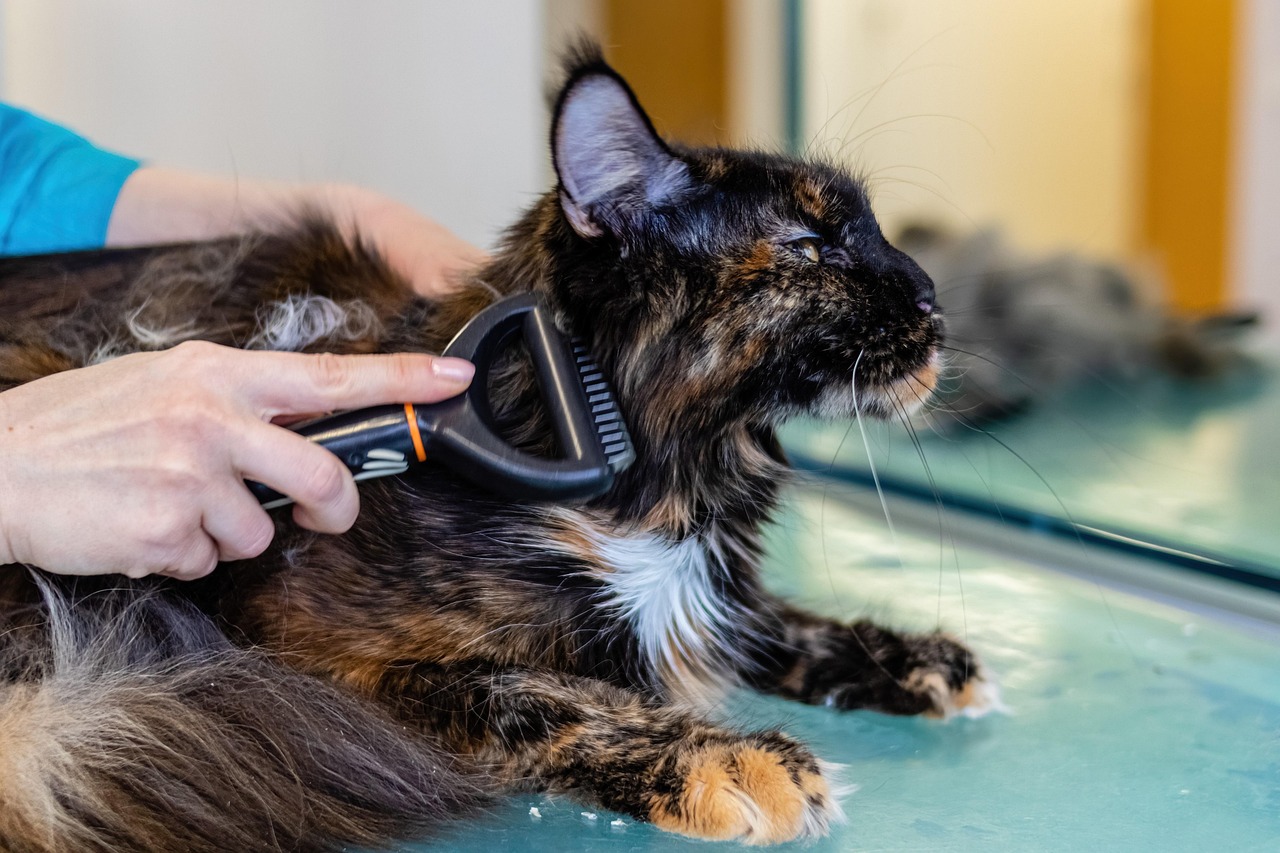
Providing regular grooming can help manage your cat’s grooming needs productively while offering comfort. Frequent brushing sessions can reduce excess shedding and matting, serving as a bonding experience between you and your pet. Not only does this alleviate cat hair from scattered surfaces, but it also helps maintain a clean coat and keeps your cat’s skin healthy. Consider using grooming tools that suit your cat’s coat type, thus making it an enjoyable activity. During brushing sessions, offer positive reinforcements like treats or praise to promote this behavior. Another option is to introduce supplements or products designed to soothe the skin and minimize irritation from excessive grooming. These specialized products often contain natural ingredients that promote skin health, providing relief from discomfort. Also, monitor your cat’s skin condition, looking for signs of irritation or infection resulting from overgrooming. If such signs appear, it’s essential to consult your veterinarian promptly. They may recommend additional supportive therapies or treatments to alleviate your cat’s grooming issues and improve their comfort and quality of life in the long term.
Consistency in approach is paramount when dealing with overgrooming in cats. Adopting new behavior techniques requires time, patience, and persistence. It’s essential for owners to remain attentive and supportive throughout the process, reinforcing positive behaviors while redirecting negative ones. Tracking your cat’s behavior and documenting any progress over time is beneficial. Keeping a journal, noting any alterations in grooming habits or potential stress triggers, will inform ongoing strategies for stress reduction. Communicate effectively with any caregivers or family members about your cat’s needs and the techniques you are implementing. Consistency across all interactions with your cat will prevent confusion and ensure they understand the desired behaviors. It’s crucial to set realistic expectations regarding changes in behavior. Allow for gradual progress rather than expecting immediate results. Understand that transitions take time, and each cat processes these changes at their own pace. Investing in your cat’s well-being by employing stress reduction techniques and maintaining a supportive environment will yield long-term benefits. Your feline companion will feel more secure and happy, ultimately leading to healthier grooming habits and improved overall health.
Seeking Professional Help
Finally, persistent excessive grooming may necessitate professional intervention from a veterinarian or animal behaviorist. Understanding your cat’s underlying issues related to stress can be complex and might require expert evaluation. These professionals can provide tailored approaches addressing your cat’s unique needs. Comprehensive assessments typically include reviewing behavioral history, physical health, and environmental factors that may contribute to stress levels. Based on their evaluations, veterinarians may recommend treatments, including medication if needed. They may also provide advice on behavioral therapies, alternative therapies, or holistic approaches to create a multifaceted plan. Furthermore, animal behaviorists often recommend conducting thorough environmental assessments to identify potential stressors that need addressing. The collaboration between cat owners and professionals is essential for achieving the best results. Owners should actively participate in implementing recommendations, showing commitment to their cat’s well-being. Remember that patience is key in this journey; lasting improvements may take time but are achievable through consistent efforts. Involving a professional in your cat’s journey to health is a proactive step toward ensuring they live a fulfilling, tranquil life, free from the burdens of excessive grooming.