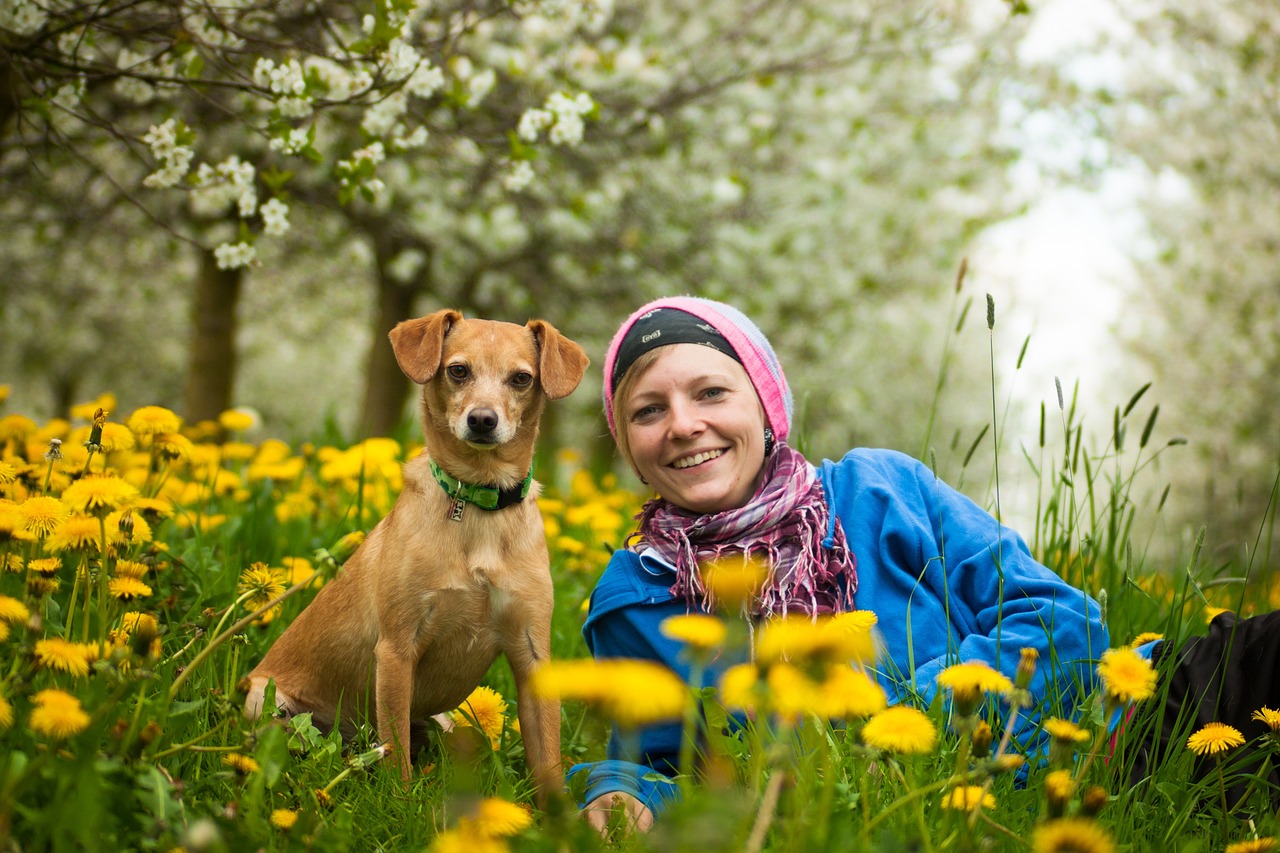

The Handler-Dog Bond: A Critical Analysis
The handler-dog relationship is crucial for success in dog sports, as it significantly affects performance and teamwork. To build an effective sports team, handlers must establish a bond characterized by mutual trust and understanding with their dogs. This bond influences how dogs respond to commands and their overall enthusiasm. A strong handler-dog connection can lead to improved focus during training sessions and competitions, while weak relationships may result in communication breakdowns and poor performance. The emotions of the handler can also affect the dog, making it essential for handlers to maintain a positive attitude. When handlers are calm and confident, dogs often mirror this behavior, leading to better outcomes. Understanding the species-specific behaviors and instincts of dogs can aid handlers in nurturing these relationships. Regular practice, socialization, and proper training can enhance this bond further. Personalized training plans that consider each dog’s unique temperament and needs also contribute to a positive partnership. Encouraging engagement through fun activities is vital, as these experiences foster loyalty, cooperation, and improve team dynamics, ultimately leading to a more successful dog sports team.
Benefits of a Strong Relationship
A strong handler-dog relationship has numerous benefits for the overall dynamics of dog sports teams. First, it allows for better communication between the handler and the dog, which is essential for successful teamwork. A well-connected team can anticipate cues and adjust actions fluidly, making them more competitive. Further, dogs that trust their handlers are more willing to try challenging tasks and display a higher level of enthusiasm during training and competitions. This also reduces anxiety for both the dog and the handler, leading to a calmer atmosphere during events. Handlers equipped with strong, bonding strategies often foster a sense of security in their dogs, which translates into consistent performance. Moreover, emotionally balanced dogs are usually healthier and less prone to injuries, minimizing downtime and maximizing participation in various events. Regular training that focuses on building this relationship promotes a sense of accomplishment and reward for both parties. Improved teamwork reflects positively in competitions, where famous dog sports, such as agility and obedience trials, thrive on close collaboration. It is essential that handlers develop methods to strengthen this emotional connection continuously.
Team dynamics in dog sports also hinge on the handler’s ability to read their dog’s body language effectively. Understanding canine communication goes beyond basic commands—it involves being attuned to physical cues that indicate stress, excitement, or discomfort. A reliable handler utilizes these cues to adapt their training techniques and maintain a supportive environment for their dog. For instance, recognizing when a dog is overwhelmed allows a handler to implement breaks or change activities. Furthermore, recognizing successful behaviors encourages positive reinforcement and develops a dog’s confidence. Therefore, handlers must remain attentive to their dog’s emotional state and behavioral responses. Building this skill requires training and practice, ensuring that handlers can recognize what motivates their dogs. Resources such as workshops and seminars can be beneficial for handlers looking to enhance their knowledge in reading behaviors. In addition, engaging professional trainers who specialize in dog communications may provide valuable insights into progressive techniques for improving relationships. This expertise ultimately aids in creating a harmonious team dynamic, paving the way for successful performances and formal assessments during competitions.
The Role of Trust in Training
Trust is a fundamental component in the handler-dog relationship, especially when it concerns training for dog sports. Dogs that trust their handlers tend to perform better under various pressures, such as during competitions or intense practice sessions. Building trust involves giving dogs the time they need to adapt to training methods and environments. Handlers should be patient and encouraging, allowing their dogs to mature and relate to the sport naturally. Vulnerability and consistency in training also build this trust, where handlers can showcase their expectations and stick to them. Utilizing positive reinforcement techniques enhances this bond further by creating a rewarding system for all accomplishments, big or small. This approach not only strengthens handler-dog relationships but also promotes a constructive environment for learning. Moreover, handlers should strive to recognize and reward their dog’s intrinsic motivations. Understanding what stimulates dogs can lead to developing personalized training methods, further deepening the level of trust. Overall, handlers that focus on fostering trust will reap the benefits in their team’s performance at dog sports events, overcoming obstacles together with confidence.
Handlers can enhance their relationships with their dogs by focusing on consistent communication strategies. Establishing clear, consistent verbal commands paired with corresponding hand signals can greatly improve understanding between the handler and dog. This consistency elucidates expectations and enhances the dog’s ability to react appropriately to commands. Moreover, using consistent cues fosters confidence in dogs, enabling them to anticipate commands while performing various tasks. Handlers should also consider varying their training environments to keep their dogs engaged and mentally stimulated. A varied setting, coupled with established communications, can reduce distractions, allowing dogs to focus more effectively on tasks. Moreover, incorporating game-based training approaches could break the monotony and create positive associations with learning and performance. Adjusting training frequencies and durations can also contribute to maintaining excitement and energy levels for the dog, ensuring the handler aligns with the dog’s unique learning speed. Successfully customizing both communication and training methods could lead to heightened performance and reduced stress levels in both the handler and the dog, ultimately enhancing team outcomes in competitive contexts.
Long-Term Relationships Cultivate Success
Establishing long-term relationships between handlers and dogs is beneficial in dog sports, as continued interaction fosters understanding and enhance performance. Handlers should focus on sustaining these relationships beyond just sports training. Investing in quality time spent together through leisure activities or simple companionship strengthens their emotional connection. Simple practices, such as enjoying nature walks or engaging in fun activities, help maintain a balanced relationship that respects both party’s needs. Regular socialization with other dogs and humans can extend positive interactions, providing a holistic way of enhancing a dog’s confidence within different environments. By ensuring a mix of training styles that encourages both mental and physical growth, handlers can diminish anxiety levels that may hinder performance. Over time, these long-term practices promote a more stable and reliable teamwork dynamic, giving each dog the reassurance they need to perform at their peak. The emotional wellness of the dog reflects in their sports performance, making consistent practices vital for success. Handlers and dogs that grow together develop a synergy that becomes evident in competitions, resulting in higher success rates and improved team spirit.
Finally, nurturing the handler-dog relationship is essential for any dog sports team aiming for high performance. Understanding and nurturing this bond ensures not only sports success, but also powerful relationships rooted in trust and mutual respect. Handlers must consistently engage with their dogs, recognizing their individual needs and emotional states. By employing varied strategies—training, socialization, and leisure activities—handlers can cultivate a thriving partnership that benefits both parties. Beyond performance, these efforts resulted in healthier, happier dogs. Sporting events like agility courses rely heavily on the extent of this relationship, often distinguishing successful teams from the rest. The continuous development of handler-dog dynamics requires dedication and responsiveness on both sides. Ultimately, investing time and emotional energy into establishing a solid bond paves the way for achieving overarching goals in dog sports, demonstrating that emotional connections matter just as much as physical training. In conclusion, the handler-dog relationship profoundly impacts success in dog sports, serving as the foundation for effective teamwork and successful outcomes.
This article emphasizes the critical role that the handler-dog relationship plays in building successful sports teams. The mutual understanding, trust, and communication established through this bond significantly influence team dynamics and overall performance in various canine sports. Over time, concentrating on these aspects can help handlers create effective training methods that enhance the relationship further, allowing for success in competitive environments. As handlers strive to improve their connections with their dogs, such bonds become the cornerstone in fostering resilience, reliability, and excellence within dog sports arenas. The importance of a well-rounded approach with respect to training, social activities, and trust cannot be overstated, as it ultimately cultivates both sportsmanship and happiness in team members. Adopting a long-term perspective on the handler-dog relationship will not only lead to better performances but will also ensure greater enjoyment for handlers and dogs alike in their sporting pursuits. Therefore, investing time and resources into this essential relationship should be a priority for those involved in dog sports, as it assures mutual benefits to all contributing members of the team, reinforcing the notion that solid relationships pave the path to success.