
The Lifespan and Aging Process of Siberian Cats
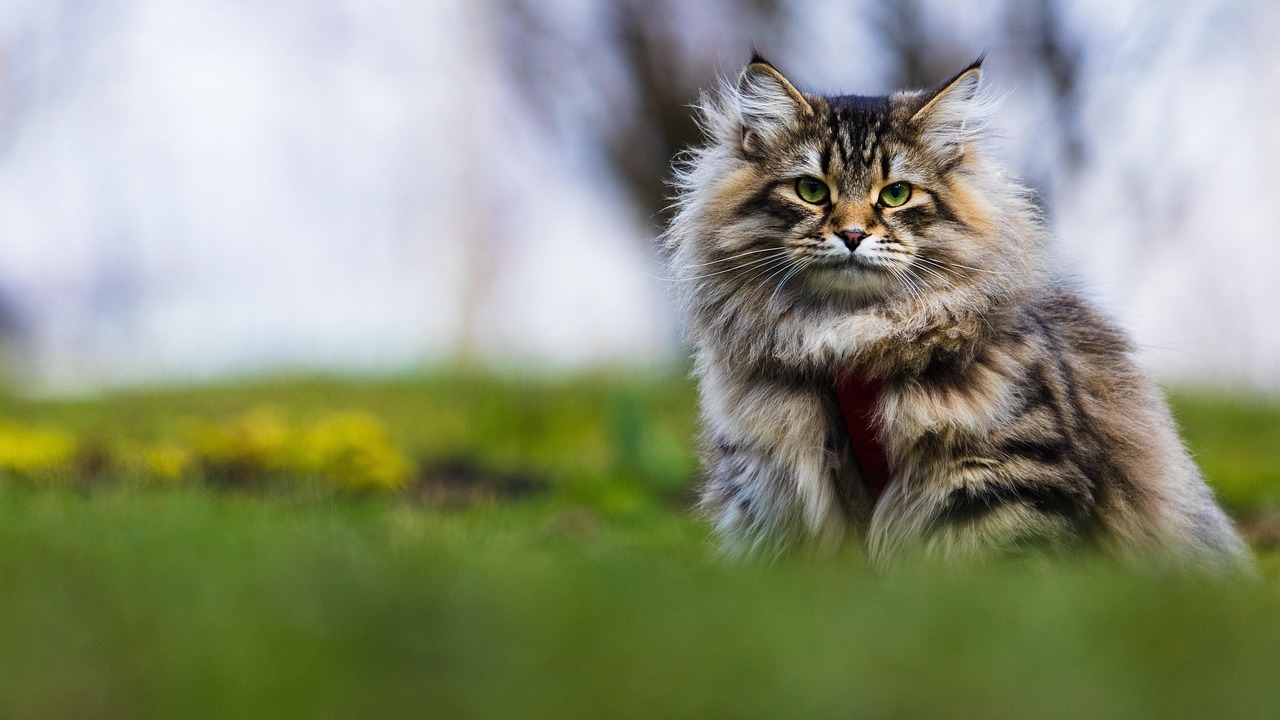
The Siberian cat, known for its beautiful coat and friendly temperament, has a lifespan that typically ranges between 12 to 15 years. However, many Siberian cats live well into their late teens when provided with proper care, nutrition, and regular veterinary check-ups. Like many breeds, their longevity can be influenced by genetics, overall health, and lifestyle. As they age, their needs change significantly, requiring owners to adapt their care methods. Nutrition plays a vital role in supporting their immune system and overall well-being. Regular exercise also helps in maintaining a healthy weight, reducing the risk of obesity-related issues. Moreover, the environment plays a crucial role in the aging process for Siberian cats. A safe, enriching environment can lead to less stress, which is beneficial for aging cats. Grooming is equally important, as their thick fur requires regular attention to avoid matting, especially as they become less active. Packaged appropriately, a balanced diet tailored to their age group can ensure they enjoy a fulfilling life into their golden years.
As Siberian cats age, they may become prone to certain health conditions that owners should watch for. Common issues include dental disease, kidney issues, and arthritis that may impact their mobility. Regular veterinary check-ups can catch these health problems early, allowing for timely intervention. Additionally, recognizing behavioral changes is essential; seniors may exhibit differences in appetite or activity levels, indicating possible health problems. Dental hygiene is vital, and many owners overlook this aspect. Implementing dental care like brushing or providing dental treats can help mitigate issues. It’s also wise to provide a comfortable resting place as older Siberians may prefer quiet spots where they can relax. Scheduled playtime can still be enjoyable but should be moderated to account for their energy levels. While Siberians are generally sociable and playful, they, like all cats, will enjoy interaction in ways that accommodate their aging needs. Weight management is crucial towards the end of their life. Maintaining an ideal weight can significantly improve their quality of life and longevity, ensuring they remain happy and active throughout their years.
Nutrition Considerations for Aging Siberian Cats
Nutrition is a cornerstone in supporting the health of aging Siberian cats. Their dietary needs change significantly as they transition into their senior years, requiring lower-calorie formulas that still offer high protein and nutritious components. Opt for quality cat food specifically designed for senior cats, ensuring it contains added vitamins and minerals. Look for food that meets the AAFCO nutrient profiles for senior cats, addressing their unique health requirements. Integrating wet food can enhance hydration and may be more appealing for senior cats with dental issues. Regular assessment is also advisable since individual cats may have varied preferences and tolerances. Supplementation of omega fatty acids could help with joint health and coat condition, making their daily lives comfortable. Treats should be limited but can still be used for training or bonding. Many owners find using smaller amounts of treats provides the same level of enjoyment without contributing to obesity. Consulting your veterinarian about specific dietary changes or needs for your Siberian can yield tailored advice that meets their unique health profile.
In addition to dietary factors, the physical environment becomes increasingly important for aging Siberian cats. A calm, safe habitat can greatly contribute to their mental and physical health. Providing ramps or steps can assist them in reaching favorite spots they used to access with ease, preventing injuries or strain. Keeping their living area clutter-free ensures they can navigate their space without risks of falls or accidents. Environmental enrichment should still be encouraged through gentle toys that stimulate their mind without overwhelming them. Interactive play not only keeps them mentally engaged but helps strengthen the bond between pet and owner. Cat trees with lower heights or cozy hideaways may provide them with comfort and security. Attention to litter box placement becomes essential; older cats may benefit from low-entry boxes to make it easier for them to use. Regularly cleaning the litter ensures a hygienic environment and encourages consistent use, providing comfort for your Siberian. Keeping their surroundings peaceful by minimizing noise and disruption aids tremendously in maintaining their well-being as they transition into their senior years.
Understanding the Emotional Needs of Older Siberian Cats
Siberian cats, known for their social nature, still require emotional comfort as they age. Emotional needs become significant as their physical faculties decline. Providing constant companionship can drastically improve their mental health during this phase. Engage in regular gentle interaction, which can make them feel loved and secure despite any age-related difficulties. Quiet times spent together can provide the emotional support needed as your cat adjusts to changes. Observing their behavior closely can also signal any distress or discomfort that may arise, creating an opportunity to address any issues promptly. As a pet owner, providing your Siberian with emotional stability includes scheduling specialized bonding times and respecting their wish for personal space when necessary. Additionally, an established daily routine can give them a sense of predictability and comfort, easing any anxiety that arises due to aging. Creating a nurturing environment ensures that your Siberian knows they are safe and cared for, allowing them to navigate the aging process with confidence and grace. Thus, the emotional well-being of your aging Siberian should always be a priority.
Grooming also takes on new importance when it comes to the aging Siberian. Regular grooming sessions aid in maintaining their fur’s health while also working as a bonding experience between you and your pet. The grooming process can help your cat feel relaxed and can also promote healthier skin. As Siberian cats mature, they may not groom themselves as thoroughly, leading to potential matting or skin irritations. Thus, regular brushing becomes essential. Grooming aids in reducing shed fur as well, preventing hairballs. During grooming, take the time to inspect their skin for any irregularities or lumps, which can indicate health concerns. You may need to consider more frequent grooming depending on the cat’s changing needs. If they develop arthritis or another degenerative condition, the assistance you provide during grooming may become crucial. Opting for a gentle approach can ensure the experience remains pleasant. Regular grooming enhances their comfort, promoting a clean appearance while ensuring their overall health. Making this an enjoyable and regular activity establishes trust and comfort that benefits both you and your Siberian.
Routine Health Care for Siberian Cats in Their Golden Years
Routine health care is critical in managing the aging Siberian cat’s well-being, ensuring they maintain the best possible quality of life. Regular veterinary visits should occur at least twice a year, as older cats are more susceptible to health issues that develop rapidly. Vaccinations and preventative medicines tailored to the age can also be required. Monitoring their weight and body condition, along with dental examinations, are essential during these visits. Professional cleanings can help prevent infection and maintain their oral health. Moreover, inquire about bloodwork and other screenings that provide insights into their internal health. Keeping an eye on any changes in behavior or routine habits is also instrumental for owners at this stage. Track any decline in activity level, changes in eating habits, or litter box behaviors, as these can indicate underlying health concerns. Catching such changes early can save lives and prolong cherished moments with your cat. Thus, establishing a strong partnership with your veterinarian and adhering to a routine health care schedule encourages a longer, healthier, and happier life for your cherished Siberian.
In summary, aging Siberian cats offer a unique set of experiences and challenges for pet owners. Understanding their lifespan, nutritional needs, emotional care, grooming requirements, and routine health provision can make a significant difference in their golden years. Siberians thrive on companionship, gentle stimulation, and safe environments to ensure their well-being. Anticipating their changing needs and actively modifying routines promotes comfort and happiness in their older age. By providing proper nutrition, routine check-ups, and emotional support, owners can enhance their cat’s life experience. The bond developed during these years can lead to some of the most rewarding moments shared, as pet owners witness their beloved cats navigate through their life stages. Savoring this time and embracing each moment spent together can create lasting memories for both the Siberian and their owner. Remember, with awareness, careful planning, and love, pet owners can ensure that their Siberian cats not only thrive as they age but also experience senior years filled with joy and comfort. As their journey continues, cherish every precious moment you have with your dignified and lovable Siberian companion.