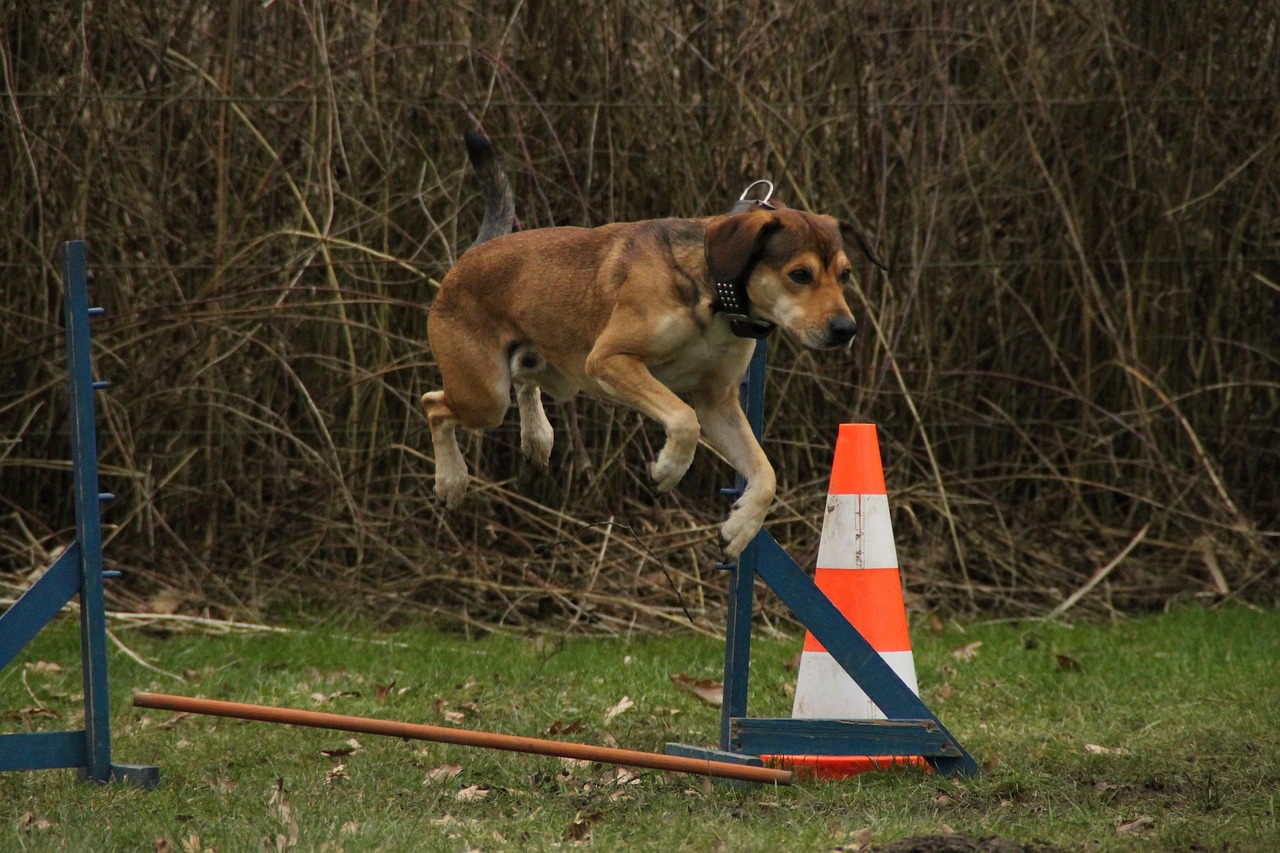

The Role of Exercise in Maintaining Harmony Among Dogs
Creating a harmonious multi-dog household can be a challenging yet rewarding endeavor. Understanding how to manage your dogs’ needs is essential for a peaceful environment. One of the primary elements that contribute to a balanced canine dynamic is exercise. Regular physical activity helps to reduce excess energy among dogs, which can often lead to behavioral issues. As dogs engage in exercise, they become less anxious and more placated. This can significantly minimize conflicts that may arise due to boredom or pent-up energy. Moreover, the type of exercise provided plays a crucial role. Activities such as playing fetch, going for walks, or participating in agility training can stimulate dogs both mentally and physically. It’s vital to note that socialization during these exercises encourages positive interactions between dogs. By allowing dogs to work and play together, they build bonds and improve trust, stability, and social skills. The benefits of consistent, structured exercise go beyond physical health; they offer psychological rewards as well, promoting positive behaviors and reducing stress. Trying to implement a routine that accommodates each dog’s needs is crucial for long-term harmony in your household.
In a multi-dog setting, establishing clear activities that include vigorous exercise can instill a sense of routine. Generally, incorporating structured playtimes supports enrichment and bonding among the dogs. When selecting activities, consider varying the intensity and types of exercise so every dog is engaged appropriately. Factors such as age, breed, and physical abilities must be taken into account. For example, some breeds, like Border Collies, require more intense and prolonged exercise sessions compared to smaller or less active breeds. This becomes crucial when integrating new members into a household, as their specific needs might differ. Transitioning dogs into the family should happen gradually, ensuring they acclimatize to the household dynamic. Always monitor playtime closely to adjust activities according to the dogs’ energy levels. Additionally, exercising dogs together creates a shared experience, allowing them to release pent-up energy simultaneously. By doing so, the chances of jealousy or territorial behaviors decrease as they form alliances through engaging in fun activities. This also helps reinforce pack mentality, establishing the household as a safe and enjoyable environment for everyone involved. Consistency in these approaches leads to smoother interactions.
Understanding Individual Dog Needs
Every dog is unique, and their exercise needs vary significantly. To achieve harmony in a multi-dog setting, it’s vital to understand that different breeds and personalities require tailored exercise routines. For instance, energetic breeds thrive on high-intensity exercises, while others may be content with leisurely strolls around the yard. Regular evaluations of each dog’s physical condition and temperament can help identify their specific needs, thus ensuring all dogs receive adequate exercise. Observing their behavior during playtime provides clues regarding their energy levels and interaction preferences. Introducing varied activities creates excitement and keeps routines fresh for all dogs. Multi-dog households may benefit from rotation methods to prioritize individual interactions. Dogs can experience stress or aggression during shared activities; however, separate exercise sessions can also work wonders in promoting harmony. Such sessions allow for an environment of trust, greatly reducing potential friction. Additionally, owners should monitor for any alterations in behavior during playtimes, as this could indicate necessary changes. Addressing these needs promptly leads to happier and healthier dogs while fortifying their bond as members of the family. Ultimately, customization and care are key to achieving a balanced environment.
Engagement in exercises that stimulate not just physical attributes, but mental acuity, can significantly improve canine relationships. Activities such as puzzle toys and scent work add a layer of complexity and fun for dogs. This method provides mental challenges, allowing them to use their problem-solving skills. When exercised together, dogs often learn how to communicate better and embrace their roles within the household. A shared sense of accomplishment can strengthen their interactions and diminish jealousy. Gradually integrating scent games, for example, can lead to positive behaviors as dogs navigate through challenges. Playgroups can also offer social structures, providing opportunities for dogs to engage while under supervision. Implementing group exercises encourages social confidence; however, it’s essential to monitor the dogs continuously to ensure all individuals remain comfortable and engaged. Encouraging cooperative activities strengthens their emotional ties and allows them to flourish together. Distributing toys or treats during group sessions helps facilitate positive interactions and diminish competition among dogs. Fostering a sense of teamwork through exercises leads to more peaceful coexistence, whereby each canine feels valued and secure within their pack. This foundation is elemental for success in multi-dog households.
The Influences of Regular Patterns
Maintaining regular exercise patterns is paramount for all dogs involved in a multi-dog household. Consistency leads to predictability, which provides dogs with a sense of security and routine. Establishing set times for exercise, meals, and playtimes assists in building a structured environment. This routine can prevent behavioral problems stemming from anxiety or excess energy. Dogs naturally thrive on patterns, and ensuring a balanced schedule fosters smoother interactions. Owners are encouraged to document these routines to track when dogs may need more or less activity. Adjustments can be made easily to accommodate changes in energy levels or mood fluctuations. Additionally, this consistency aids owners in reinforcing training commands during exercise. When dogs understand what to expect, it helps them stay calm and focused, enhancing their learning experience. Rushing through activities or skipping sessions can lead to confusion, unease, and increased stress. By prioritizing regular exercise schedules, dog owners set the stage for positive relationships within the pack. This establishes trust and respect as dogs learn to rely on their owner’s leadership and care, significantly benefiting their overall dynamics and health. Continued commitment towards maintaining harmony is evident with thoughtful planning.
Moreover, the psychological aspect of exercise should never be underestimated. Physical activities contribute to reducing stress not just for dogs but for their owners as well. Engaging with dogs during exercise sessions fosters a deeper bond through shared experiences. Positive communication throughout various activities enhances understanding, allowing for better monitoring of each dog’s emotional state. Observing changes in behavior during active play can guide adjustments needed to create engaging sessions. Such close interaction contributes to a supportive atmosphere crucial for all dogs involved. A simple walk in the park can become a stimulating experience when incorporating different toys or utilizing diverse terrains. This activation can minimize disputes, as the dogs remain focused on the environment rather than conflicting with one another. Additionally, emphasizing positive reinforcement during exercises helps reinforce good behaviors. Praising and rewarding dogs when they interact amicably can further diminish tensions. Social outings also provide opportunities for dog owners to learn from each other and share insights into managing multi-dog households effectively. Establishing a network amongst fellow dog owners can lead to better information exchange for maintaining peaceful cohabitation among various dog personalities.
Conclusion: The Path to Canine Harmony
Ultimately, maintaining harmony in a multi-dog household revolves around understanding individual needs while encouraging positive interactions. Exercise serves as a cornerstone for fostering not only physical well-being but also emotional stability. By engaging dogs both mentally and physically, owners create an environment that promotes trust and decreases territorial instincts. Each dog’s personality must be actively considered; customizing schedules to ensure all engagement with sufficient exercise levels lead to peace. Moreover, the introduction of varied activities offers mental stimulation, allowing dogs to collaboratively learn proper social skills. Close monitoring during exercise times enriches this experience, as owners can appreciate the evolving relationships among dogs. Celebrating achievements and milestones within these interactions leads to stronger bonds. Regular patterns solidify routines that further alleviate stress and anxiety, ensuring that the household atmosphere remains positive for everyone. With patience and commitment, dog owners can cultivate lasting friendships amongst their beloved pets, ultimately enhancing their wellbeing. Creating a harmonious multi-dog environment is entirely possible when guided by understanding, empathy, and consistent interaction. A happy dog leads to a happy home, and dogs flourish with the right balance of exercise and affection.
In addition, recognizing the value of collaborative play helps dogs learn structure and share space effectively. Dog parks, for instance, can result in enriching experiences when facilitated correctly. Owners must stay vigilant to watch over their pets and intervene if any altercations arise. Consistent attendance at dog parks helps dogs refine their social skills and reduce any anxiety during group interactions, allowing them to become familiar with various breeds and personalities. Encouraging positive behaviors among peers during these outings fosters essential skills. Consequently, dogs learn how to properly greet one another and share mutual spaces. Exploring outdoor activities, such as hiking or swimming, can also establish diverse bonding experiences. Incorporating safety protocols during these excursions promotes health and general wellbeing, contributing significantly to long-term harmony. Ensuring dogs are well-exercised prior to social engagements can prevent potential conflicts, reducing impulsive behaviors. Furthermore, connecting with local dog trainers can provide the necessary tools for refining group behaviors and compliance. Such expertise dramatically enhances the quality of life for dogs in multi-dog households. Dog owners should always seek continuous learning through workshops on canine behavior and socialization strategies, ensuring their pets remain happy and healthy.