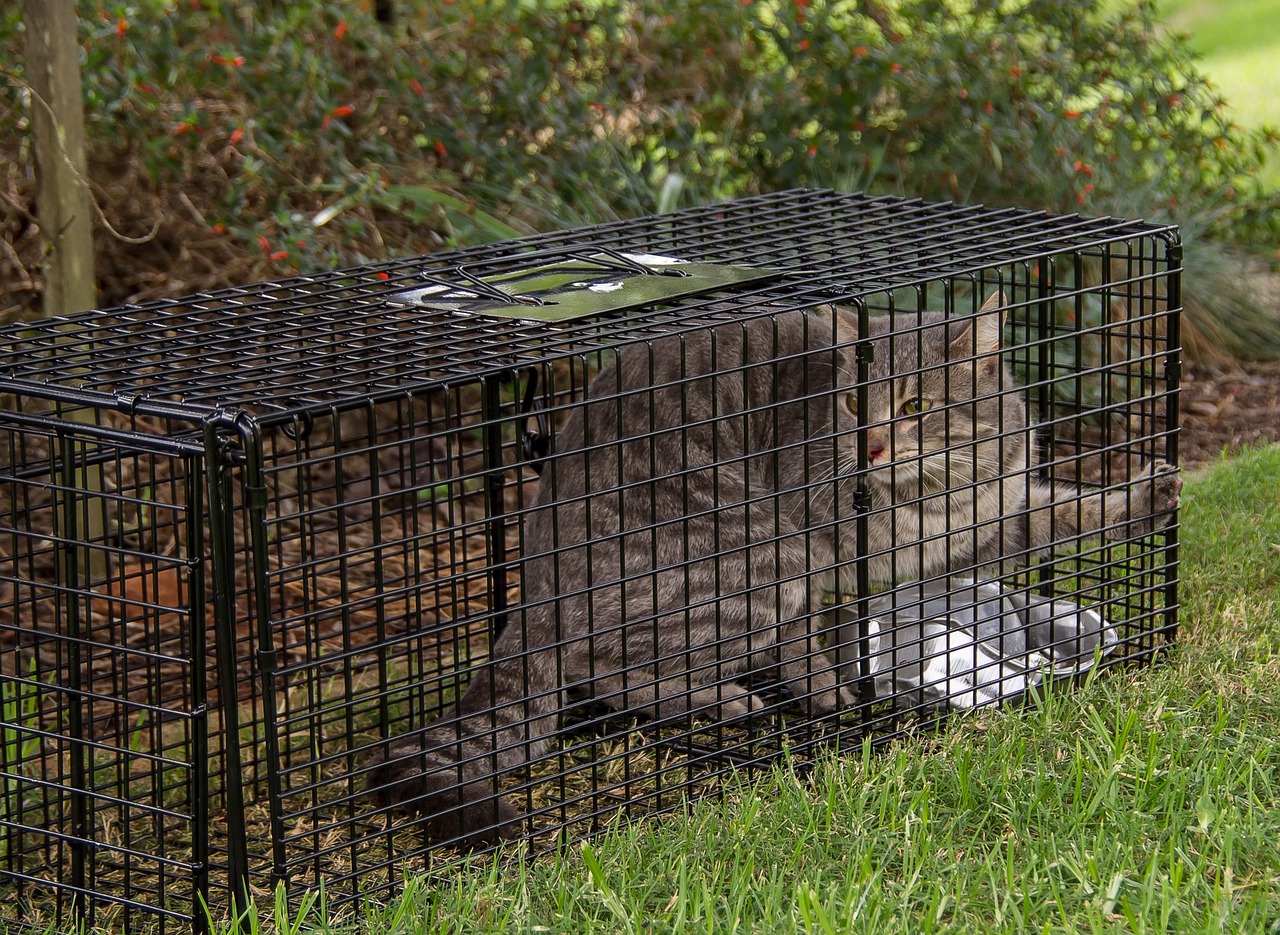

Tools and Techniques for Taming Feral Cats
Socializing feral cats requires the right tools and techniques to successfully build trust and create a welcoming environment. The first thing you need is a safe space, such as a quiet room where the cat feels secure. You should also gather supplies like food, water bowls, litter boxes, and a comfortable bed or blanket. Patience is key here; you will need to spend time with the cat, allowing it to come to you on its own terms. Use calming pheromones or sprays to help alleviate stress, which can make the cat more receptive to socialization efforts. Gradually, introduce playtime with toys that encourage interaction. After some time, you may want to have treats ready to reward the cat for being brave and approaching you. Remember, consistency is essential in building trust and ensuring a positive experience for the cat. Over time, with the right approach, you can transition from a wary feral cat to a social and affectionate companion. Enjoy the journey and celebrate small milestones by observing the cat’s behavior and responses as it becomes more comfortable with you.
In addition to safe spaces and patience, using proper techniques will assist in socializing feral cats effectively. A gentle approach is necessary; sudden movements or loud noises can easily scare them away. Start by allowing the cat to observe you from a distance, establishing a non-threatening presence. Speak softly to reassure the cat, using a calm and soothing voice. Recognize signs of stress, such as flattened ears or a twitching tail, and give the cat space when it shows discomfort. Gradually, you can sit on the floor, letting the cat come closer at its own pace. Interactive toys, such as feather wands or laser pointers, can entice the cat to engage in play without direct contact. Feeding the feline in your presence also builds a positive association. You can gradually move food locations closer to your spot over time. Providing a safe retreat, like a box or a larger crate, will help if the feral cat feels overwhelmed. Through consistent, gentle interactions and thoughtful techniques, you pave the way for a trusting relationship, helping the feral cat adjust to domesticated life.
Creating a Comfortable Environment
When socializing feral cats, creating a comfortable environment is essential for success. Begin by selecting a low-traffic area in your home where the cat can acclimate without disturbances. This sanctuary should be furnished with cozy items, such as blankets and soft beds, to make the cat feel secure. Include a litter box and fresh water to ensure the cat’s basic needs are met. It’s crucial to keep food and water bowls away from the litter area. Using calming scents, such as lavender or feline pheromones, can create a soothing environment and alleviate anxiety. Ensure the area has good hiding spots; cats feel safer when they can retreat. Additionally, consider using a quiet and calm background noise, like soft music, to mask any frightening sounds. Avoid using harsh lights; instead, opt for soft lighting to create a warm atmosphere. By fostering a positive and secure environment, you help the feral cat feel less threatened while encouraging meaningful connections over time. With patience and a caring approach, your little sanctuary can allow a feral cat to thrive and adapt.
Building trust with feral cats takes time, so monitoring their progress is key. Using a journal to track interactions can be especially helpful, noting significant milestones and setbacks during socialization. Document details like the cat’s responses to different stimuli and any breakthroughs in trust. Knowing what works and does not will allow you to adjust your techniques accordingly. For example, if a particular toy provokes play interest, try using it regularly to foster engagement. Similarly, noting how the cat reacts during feeding times can help you tailor a feeding schedule that maximizes comfort. Awareness of each cat’s unique personality will lead you to better strategies tailored specifically to its needs. This observation helps you confidently make decisions about future interactions. Over time, as you adjust your methods based on their unique reactions, you nurture a growing bond. More social behavior will develop as trust builds, ultimately leading to a rewarding companionship. A journal will not only offer insight into methods that are most effective but will also enhance your ability to provide a positive experience for the feral feline.
Using Positive Reinforcement
Positive reinforcement plays a significant role in the socialization of feral cats. Unlike punishment or negative methods, positive reinforcement emphasizes rewarding desired behaviors, fostering a more trusting relationship. Begin the process by introducing treats that the cat enjoys; this creates positive associations whenever they encounter your presence. When the cat approaches or displays any form of bravery, such as looking directly at you, be prompt in providing a treat or a soft praise. This reinforcement encourages the cat to repeat the behavior in the future. You can use clicker training as a method to enhance communication; using a click sound indicates the exact moment the cat shows desired behavior, followed by a treat. Be consistent in your reinforcement; this helps the cat understand which behaviors are encouraged. Maintain a relaxed demeanor while engaging in these practices, as your tranquil energy will influence the cat’s comfort levels. Through your efforts in focusing on positive reinforcement, the journey toward socializing feral cats becomes more enjoyable for both of you, creating lasting memories and meaningful bonds in the process.
Creating a routine can also greatly support the process of socializing feral cats. Cats thrive on predictability and structure in their environment. Establish set feeding schedules, which can help the cat anticipate your presence without fear. Incorporating play sessions into your daily routine will provide fun and exercise, facilitating trust-building through enjoyable experiences. Keep these sessions short at first, allowing the cat to engage at its comfort level. Gradually, you can increase the duration as the cat becomes more active and willing to participate. While it’s essential to create a structured routine, flexibility is equally important. Adjustments may need to be made based on the cat’s behavior and progress. If the cat seems reluctant at times, provide extra patience and understanding, allowing it to guide the pace. By consistently maintaining a routine paired with a flexible outlook, you ensure the feral cat feels secure and understood. In turn, this cultivates a profound emotional connection, breaking down walls that may have initially been built due to past experiences. Ultimately, your efforts will contribute to successful socialization.
Final Thoughts on Feral Cat Socialization
Socializing feral cats is a fulfilling endeavor that requires a combination of understanding, patience, and methodical techniques. Remember that each cat has its distinct timeline for socialization, so gaining insight into its behavior guides your approach. Combined with your calm demeanor, this knowledge will foster trust and rapport over time. One essential aspect is to celebrate small milestones, acknowledging progress, no matter how minor it may seem. Every successful interaction contributes to the cat’s comfort level and, ultimately, enhances the bond you share. Utilize various techniques and tools while remaining flexible and compassionate; these are the cornerstones of successful taming. Keep in mind that socializing may not result in the cat becoming a completely domesticated pet, but rather help to improve its ability to coexist peacefully within a household environment. The journey of socializing feral cats can be challenging, yet incredibly rewarding, as you witness their transformation unfold. Embrace each step and treasure the moments spent with these resilient creatures, ultimately enriching both of your lives in ways you may not yet realize.