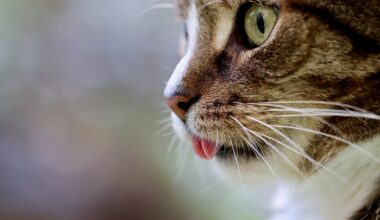

What Your Cat’s Activity Says About Their Health Status
Observing your cat’s activity levels is essential to maintaining their health. Changes in behavior can signal potential health issues that may require immediate attention. A healthy cat typically exhibits curiosity, playfulness, and sustained energy throughout the day. If your feline friend becomes less active or frequently hides, it may indicate a physical or emotional problem. Regular activity helps keep them agile and can prevent obesity, which is a growing concern for many pet owners. Active cats often showcase playful behavior, engaging in activities like chasing toys or climbing structures. Ensure your cat is stimulated both physically and mentally to reduce stress and promote overall well-being. If they seem uninterested in their environment, it might be time to assess their living conditions and introduce engaging elements. Keep a watchful eye on their body language too; this could reveal their true feelings. Provide opportunities for play to ensure a happy home. Your attention can significantly impact their mental health and happiness. A well-rounded routine that includes play, interaction, and exploration will lead to a happier feline friend.
A healthy activity level in cats not only improves physical health but also enhances their quality of life. Engaging regularly in playtime helps build their muscle strength while keeping their joints flexible. When considering how active your cat should be, keep their age and health status in mind. Kittens are naturally energetic and require frequent play sessions to expel energy. In contrast, senior cats may need gentler activities, focusing on shorter play intervals. Observing your cat’s agility can aid in identifying any health concerns. Clumsiness or reluctance to jump could hint at joint problems or other issues. Regular exercise also contributes to mental stimulation, which is crucial for cats’ psychological well-being. Boredom can lead to destructive behavior as they seek ways to entertain themselves. Additionally, providing interactive toys that encourage physical movement can significantly increase their activity levels. Look for toys that mimic prey-like movements to capture their interest. Cats can easily lose interest, so rotate the available toys regularly. Monitor their reactions: a boastful chase might indicate satisfaction and happiness with their environment.
Signs of Decreased Activity and What They Mean
Decreased activity in cats can present noticeable signs that should not be ignored. These changes may indicate an underlying health issue, necessitating a closer examination. For example, if your cat spends prolonged hours sleeping or withdrawing, it may deserve concern. Cats usually alternate between sleep and activity, but an imbalance could signal lethargy resulting from illness or pain. Furthermore, changes in appetite can coincide with a decrease in activity. If your cat is eating less or stopping altogether while exhibiting less enthusiasm for their favorite toys, it might indicate a problem. Pay attention to their grooming habits as well; an unkempt coat can signal discomfort or stress. Without sufficient stimulation or play, cats can also develop behavioral issues that exacerbate their health. Setting up a dynamic environment with a variety of toys is crucial for keeping your cat engaged. Additionally, getting them accustomed to routines can provide the structure necessary for mental stimulation. Regular vet check-ups can also alert you to health problems early.
Understanding how a cat’s behavior correlates with their health can empower you to make decisions that positively affect their lifestyle. For instance, if they actively seek out interaction, it demonstrates confidence and good mental health. On the contrary, if your cat seems anxious or avoids being near you, it might be experiencing stress or anxiety. Creating an inviting environment will encourage your pet to be more active and interactive. Simple adjustments, such as providing cozy retreats or aesthetic stimuli, can encourage exploration. Additionally, enriching environments with cat trees or climbing shelves foster exploration while improving fitness levels. Watching your cat’s weight is equally vital; under or overweight cats can exhibit behavioral changes due to discomfort. You can also incorporate interactive play sessions into their daily routine to cultivate a healthy lifestyle. Observing what environments your cat thrives in helps create a space where they feel comfortable and secure. Remember to introduce changes gradually, so your cat adapts without stress. Providing variety in their experiences keeps boredom at bay, helping them engage and enjoy life to the fullest.
Creating an Engaging Environment for Your Cat
Designing an engaging environment for your cat is crucial for maintaining their health and making them thrive. Cats are natural explorers, and an enriched home enhances their physical activity and mental stimulation. Start by offering various toys that encourage different types of play, such as balls, feathers, or electronic gadgets that mimic prey. Puzzle toys also ignite their problem-solving skills and contribute to an overall healthier lifestyle. Furthermore, consider creating vertical spaces like shelves or cat trees that provide climbing opportunities, promoting exercise. Adding scratching posts is essential for keeping their claws healthy as well as attracting their attention. Cats enjoy climbing, hiding, and perching on elevated areas, making it important to have those features in their environment. You can also introduce safe indoor plants to stimulate their curiosity and exploration without putting them at risk. Having window views can further engage them with the outdoors through watching birds, squirrels, and other wildlife. Creating a variety of areas in your home for play, relaxation, and observation encourages exploration and playful behavior.
Encouraging outdoor exploration safely can also improve your cat’s health. For those comfortable with it, consider training your cat to walk on a leash; this allows exploration while keeping them safe. If not, consider creating a secure outdoor enclosure where they can enjoy nature without danger. These measures can help instill confidence and expand their social interactions, leading to a more balanced lifestyle. Additionally, engaging with neighbors and their pets harnesses social opportunities for your cat. Monitoring their interactions is crucial to ensure they remain safe and comfortable. Moreover, consider adopting a second cat to provide companionship, promoting social gaming and interaction that keeps both cats emotionally balanced. Be mindful of adopting a compatible breed that matches your current cat’s energy level and temperament. Providing ample resources such as litter boxes, scratching posts, and feeding stations can alleviate competition and encourage positive interactions. By doing so, you cultivate a harmonious environment promoting health and happiness. Lifelong patterns of play and exercise start with small opportunities, which means every little adjustment contributes to their overall well-being.
Positive Impact of Regular Veterinary Care
Regular veterinary visits are vital in monitoring your cat’s health and ensuring wellness. By conducting routine check-ups, veterinarians can spot underlying issues before they escalate. Conditions such as obesity, dental issues, or internal problems can lead to significant health challenges if unaddressed. Regular check-ups allow for personalized advice tailored to your cat’s specific needs, especially involving their diet and exercise routine. By collaborating with your vet, you can devise an action plan for maintaining your cat’s healthy weight, activity levels, and overall vitality. Vaccinations can further protect your cat from serious diseases. Discussing behavioral concerns such as anxiety or aggression allows for strategies to create a more balanced home. Furthermore, providing parasite prevention and dental health products as prescribed can significantly contribute to their longevity. Keeping a record of your cat’s health history and progress during vet visits can also assist in making informed decisions regarding their care. Cultivating a good relationship with your veterinarian can help ease your concerns regarding changes in behavior or activity. Together, forming a proactive approach to your cat’s health ensures a happy and healthy companion.
Ultimately, your cat’s activity levels are closely intertwined with their overall health and happiness. By prioritizing play, fostering a safe environment, and addressing any concerns, you can make significant strides in their well-being. Maintaining an active lifestyle is crucial to preventing obesity while nurturing their mental stimulation. Each cat is unique, so observe their behavior and adjust accordingly. Create opportunities for interaction with diverse toys, obstacles, and exploration spaces. By adopting a multifaceted approach combining play, mental enrichment, and regular veterinary visits, you’re setting the stage for a fulfilling life for your feline friend. Engage in daily activities together to strengthen bonds while promoting health. Celebrate their milestones, whether mastering a new toy or engaging with another pet in the household. When you remain in tune with your cat’s needs, you enhance not only their life but enrich your relationship. Your effort manifests in a happy, well-adjusted cat who feels secure in their environment. Remember, an engaged cat is a healthy cat, leading to a more positive experience for you and your furry friend. Investing time and resources into their well-being will reflect in their happiness and overall health.