
When to Replace Dog Toys for Hygiene Reasons
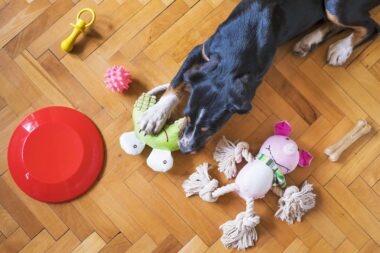
Dog toys are essential for keeping your furry friends entertained and mentally stimulated. However, it’s crucial to consider their hygiene, as dirty toys can lead to health issues for your pets. Regularly cleaning and replacing toys is vital for maintaining their well-being. It’s important to examine toys for any signs of damage or dirt. If toys become excessively dirty or damaged, bacteria can thrive, resulting in potential harm to your dog’s health. You should establish a routine for cleaning and inspecting all toys. Washing fabric toys in hot water while checking for wear will help ensure toy safety. For rubber or plastic toys, soak them in a mixture of water and mild soap regularly. Look for heavy scratches or deterioration, which could harbor germs. A simple sniff test can identify whether a toy is too dirty. If a toy has an unpleasant odor that persists after cleaning, it might be time for replacement. Also, watch for changes in your dog’s behavior, like disinterest in a specific toy, which could indicate a need to replace it.
Consider the lifespan of dog toys and follow the general rule of thumb regarding replacement. Most toys have a duration of usability based on material, usage, and condition. Generally, toys made from softer materials tend to wear out faster than those made from durable substances. Begin by regularly checking each toy for signs of wear or damage. Visible fraying or exposed stuffing in plush toys means they likely won’t last long. For rubber toys, look for cracks and splits that could create choking hazards. Additionally, consider the amount of saliva and dirt produced during play sessions. A good indication that it’s time for a change is frequent washing with little improvement noted. You should also account for your dog’s chewing habits. Aggressive chewers can damage toys much quicker than those who are gentler. Establish a schedule for reviewing your dog’s toy collection, ideally every few months. Establishing this habit can prevent your dog from playing with unsafe items. Furthermore, consider rotating toys to keep your dog engaged without needing constant replacements, thus ensuring hygiene in playtime.
Health Risks and Cleaning Practices
While toys serve a fun purpose, they can harbor hazardous bacteria and germs, presenting health risks to your beloved pets. As a responsible pet owner, it’s essential to understand these risks to keep your furry companions safe. When cleaning, utilize pet-safe cleaning agents to avoid toxic residues that can be harmful to your pets. Ensure to rinse thoroughly after applying any cleaning solution, removing potential irritants. Additionally, refrain from using bleach, as it can lead to severe reactions. Beyond just cleanliness, assess whether the toy has faced severe damage or persistent bad odors that cleaning doesn’t eliminate. In such cases, replacement is the only safe option. Rubber toys can be cleaned effectively in a dishwasher without any risk of contamination. Soft toys require a delicate wash cycle. Furthermore, encourage hygiene through preventive measures, such as directing your dog away from playing in dirt or muddy areas, and storing toys in clean, dry locations. Proper care and proactive replacement will uphold the hygiene and safety of your dog’s playtime, ensuring a more enjoyable experience for your furry friend.
In addition to cleaning practices, pay attention to your dog’s preferences while evaluating their toys. A toy that your dog once adored may become less appealing, signaling it’s time for a fresh option. Regularly rotating their toy selection can enhance their entertainment and engagement; this also helps prevent the accumulation of dirt and germs over months. When introducing new toys to your dog, monitor them closely to assure they don’t pose choking hazards. Opt for toy sizes tailored to your dog’s specific breed, as small toys can cause choking issues, especially in larger dogs. Furthermore, consult with your veterinarian for recommendations regarding the safest materials and toy types based on your dog’s health needs, especially in old age. Replacement may sometimes correlate with your dog’s changing preferences, indicating they might require different stimulation. Different textures and shapes engage different interests, preventing boredom. If your pup shows a marked shift in their play behavior, including less enthusiasm, it might be worth exploring new, innovative options designed to combat these shifts. Likewise, if a toy regularly gets shoved aside, it might need to be disregarded entirely.
Recycling and Eco-Conscious Choices
As with any pet supplies, sustainability and eco-friendliness are essential considerations when replacing dog toys. Many pet owners are looking for ways to use suitable materials while being environmentally conscious. You can find many brands producing eco-friendly toys made from organic or recycled materials. Choosing sustainable options not only protects the environment but encourages manufacturers to adopt better practices. Investigate potential options that emphasize durability and that can endure the enthusiastic play sessions of your beloved pet. Always research the manufacturing process, selecting brands committed to responsible sourcing and production. When replacing old toys, consider recycling methods. Some manufacturers offer trade-in programs allowing pet owners to exchange old toys for discounts on new ones. This helps keep landfill waste down, fostering a sustainable approach to pet ownership. Moreover, many community programs support recycling initiatives concerning pet supplies. Replacing rather than tossing old toys aligns with a responsible pet ownership ethic. While enjoyment is critical, it’s also essential to foster a relationship with our environment. Choose wisely and actively seek ways to minimize your impact while delighting your dog with wonderful toys.
After determining when to replace your dog’s toys, consider the implications for their enjoyment and engagement. Dogs thrive on mental stimulation; thus, new toys can reinvigorate their interest and playfulness. Choose toys with various textures and activities to challenge your dog both mentally and physically. Before purchasing new toys, you might want to evaluate your dog’s past preferences, whether they enjoy fetching, chewing, or cuddling. Each aspect requires different types of toys tailored to fit personal enjoyment. Take into account any specific health concerns, such as dental health, when choosing your toys. There are dental chews on the market specifically designed to help combat tooth decay while keeping your dog entertained. These toys offer both fun and functionality, so always seek toys that balance both aspects adequately. Furthermore, consider how often your dog interacts with each toy; if some are rarely played with, that may indicate it’s time for a significant change. This adjustment can foster a stimulating environment benefiting both the pet’s mental health and hygiene practices. Finally, don’t underestimate the role of personal touch; adding your scent can make new toys more appealing.
Conclusion: Keeping Your Dog Happy and Healthy
By consistently monitoring the condition of your dog’s toys, you are taking proactive measures to ensure their health and happiness. Puppies may not destroy toys as rapidly as adult dogs, but keeping track of their usage habits is still essential. Taking appropriate steps for cleaning and replacing dirty toys positively impacts your dog’s well-being. Always attend the toy’s lifespan and your dog’s interactions with each item. Being observant is key to preventing health risks linked to worn-out toys. Additionally, consider the benefits of rotating toys to maintain excitement and engagement. By minimizing boredom, you can promote a healthier play environment that contributes to their physical health. Emphasize eco-conscious choices by selecting sustainable toys, as they have a lasting positive impact on both your pet and the environment. Finally, educate yourself about proper cleaning techniques and potential health hazards associated with worn or unsafe materials. Keeping yourself informed guarantees your dog’s safety and longevity. Ultimately, happy dogs lead to happy owners; always consider the holistic impact of each toy decision on your cherished companions.
This commitment to hygiene, playful stimulation, and health invites a much deeper relationship between you and your furry friend. Investing time in replacing and maintaining your dog’s toys ensures cherished moments together. Enjoy exploring the diverse range of dog toys available while being informed of proper practices!