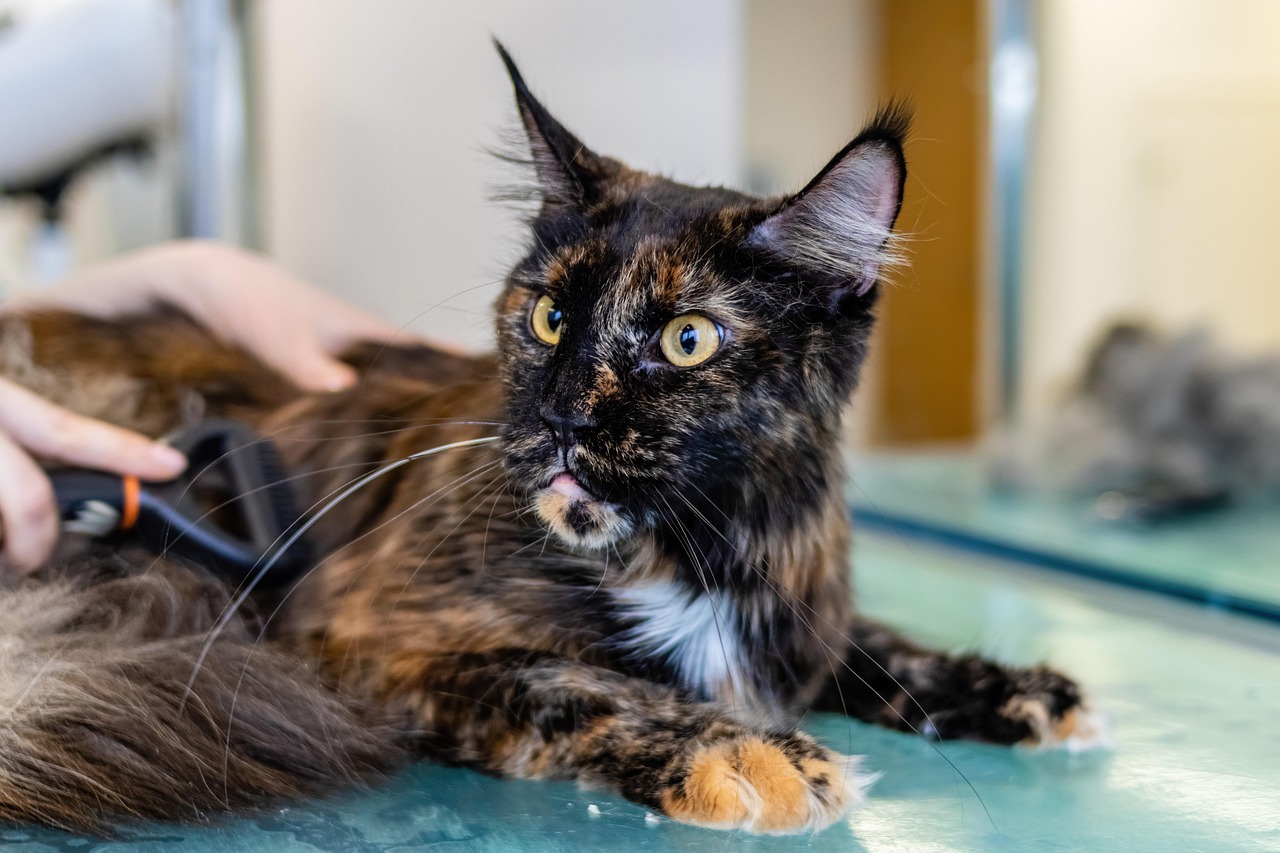

Dealing with Aggression in Cats During Grooming
Grooming a cat can often become a difficult task, especially when dealing with aggressive behaviors. Many cats become anxious or defensive during grooming sessions due to past experiences or natural tendencies. Understanding the reasons behind this aggression is crucial to address it effectively. Some common triggers for aggression include feeling restrained, pain from knots, or not being familiar with grooming tools. It’s essential to recognize these triggers to avoid escalating the situation. One effective approach is to create a calm environment. Before starting the grooming process, ensure that your cat is in a familiar and safe space. Gradually introduce grooming tools to your cat, allowing them to sniff and explore. Having treats on hand can also help create positive associations with grooming. Pay close attention to your cat’s body language during the process, as signs of discomfort can help you pause or redirect your approach. Constantly reassure your feline friend through gentle talk and stroked to maintain a sense of security. Through patience and understanding, grooming can transform into a more tolerable experience for both you and your cat.
Once you’ve established a comfortable environment for grooming, it is time to focus on the technique you use. Some groomers suggest starting with gentler tools, such as a soft brush or a grooming glove. These tools can help ease your cat into the grooming experience by minimizing discomfort. Additionally, start with short grooming sessions initially to avoid overwhelming your cat. Gradually increase the length of the sessions as your cat becomes more accustomed to the process. Pay careful attention to areas that are typically sensitive like the belly, ears, and tail. By respecting your cat’s comfort zones, you help reduce the chances of aggression. After each session, reward your cat with treats or playtime. This positive reinforcement encourages good behavior and helps your cat associate grooming with pleasant experiences. Keeping the atmosphere light and relaxed will contribute to minimizing stress for your pet. Try grooming when your cat is naturally calm, such as after a nap or during a quiet time at home. Consistently applying these techniques will enhance the relationship between you and your furry companion.
Recognizing your cat’s body language is a key factor in preventing aggression during grooming. Cats often give clear signals regarding their comfort or discomfort, which can help you gauge their mood. For instance, a cat that is relaxed may purr, knead with its paws, or have a relaxed tail position. Conversely, a cat that’s getting agitated may exhibit behaviors like flattening its ears, twitching its tail, or trying to escape. When you notice these signs, it’s vital to stop grooming immediately and allow your cat to calm down. Understanding these cues will prevent you from pushing your cat too far, potentially leading to aggressive reactions such as swatting or biting. If your cat becomes aggressive, avoid punishing it; instead, take a step back and give your cat space. This helps your pet learn that aggression will result in the end of grooming, reinforcing their avoidance behavior. Over time, with continued positive interactions and by respecting their comfort levels, your cat may gradually learn to tolerate grooming much better than before. Building a trusting relationship through sensitivity to their body language is crucial for a smoother grooming experience.
Tools for Grooming Shy Cats
Choosing the right grooming tools can significantly impact how your cat reacts during grooming sessions. Many cats are fearful of traditional brushes and clippers, so consider using grooming tools designed for sensitive felines. Look for brushes with soft bristles or rubber tips designed to minimize discomfort. For longer-haired cats, wide-toothed combs can help detangle knots without pulling on the fur, making the experience more pleasant. Additionally, grooming gloves can effectively remove loose fur while providing a gentle touch. This dual approach can create a positive grooming environment in which your cat feels secure and cared for. Another valuable tool is pet-friendly sprays designed to reduce anxiety before grooming. These products often contain calming scents that help ease your cat’s nerves. Most importantly, always observe how your cat reacts to different tools. Some may prefer certain brushes over others, while others may be more comfortable with glove-like tools. Testing several options ensures you find the best tools suited to your cat’s personality and preferences, creating a positive grooming routine that minimizes aggression and fosters comfort.
Another important aspect of grooming includes developing a regular grooming schedule. Establishing a consistent routine not only aids in your cat’s acclimatization but also promotes bonding between you two. Cats thrive on predictability, and knowing when grooming will take place can help ease anxiety. Start with short sessions twice a week and increase or decrease the frequency based on your cat’s comfort level. Combine these sessions with playtime or feeding to enhance the positive experiences associated with grooming. While consistency is essential, flexibility is equally important; some days your cat might be more accepting than others. Adjust your grooming sessions accordingly to avoid overwhelming your pet. If you notice your cat becoming more anxious or aggressive than usual, take a break and return to grooming only when both you and your cat are ready. Remember, grooming shouldn’t be a forced activity; let your cat have a say in the process. This empowers them and fosters trust, leading to a more enjoyable grooming experience that minimizes aggression and fear. Over time, your dedication to regular grooming will pay off in terms of your cat’s overall well-being.
In addition to the aforementioned tips, providing a distraction can significantly aid in diffusing aggression during grooming. Using toys, treats, or interactive play can redirect your cat’s focus away from grooming to something more enjoyable. This not only occupies their attention but also makes them associate grooming with fun and play. Try rotating different toys to keep your cat’s interest piqued. In contrast, some owners find that calming music can help create a relaxed atmosphere during grooming. Choose soft melodies and soothing sounds that can calm stress while assisting in creating a peaceful environment. Additionally, consider integrating positive reinforcements throughout your grooming process. Offering treats or praise every few strokes can help ensure that your cat continues to feel adored and recognized, even during grooming. Over time, your cat may learn to look forward to the grooming process, thus reducing aggressive reactions. Incorporating distractions and positive reinforcements transforms grooming sessions into happy activities. Building these habits may take time, but consistency will encourage progress, helping your cat relax and eventually enjoy grooming sessions rather than dread them.
Lastly, it’s essential to consult a veterinarian if your cat exhibits persistent aggressive behavior during grooming. Sometimes aggression may stem from underlying medical issues, such as pain or discomfort. Understanding your cat’s health is fundamental in addressing behavioral problems effectively. Your vet may also recommend specific calming medications or supplements to ease anxiety before grooming sessions. Consider collaborating with a professional groomer or animal behaviorist, especially if your cat’s grooming becomes hazardous. Experienced professionals can provide valuable insights into techniques tailored to specific feline personalities. They also offer different strategies to help you manage aggression while ensuring that grooming achieves the intended cleanliness and health benefits. Every cat is unique, and understanding their individual needs is key to successful grooming. Through education and patience, you’ll not only tackle aggression but also nurture a loving and trusting relationship with your feline companion. By providing a safe and supportive grooming experience, you’ll help your shy cat thrive, keeping them happy and healthy without the fear of aggression during grooming.