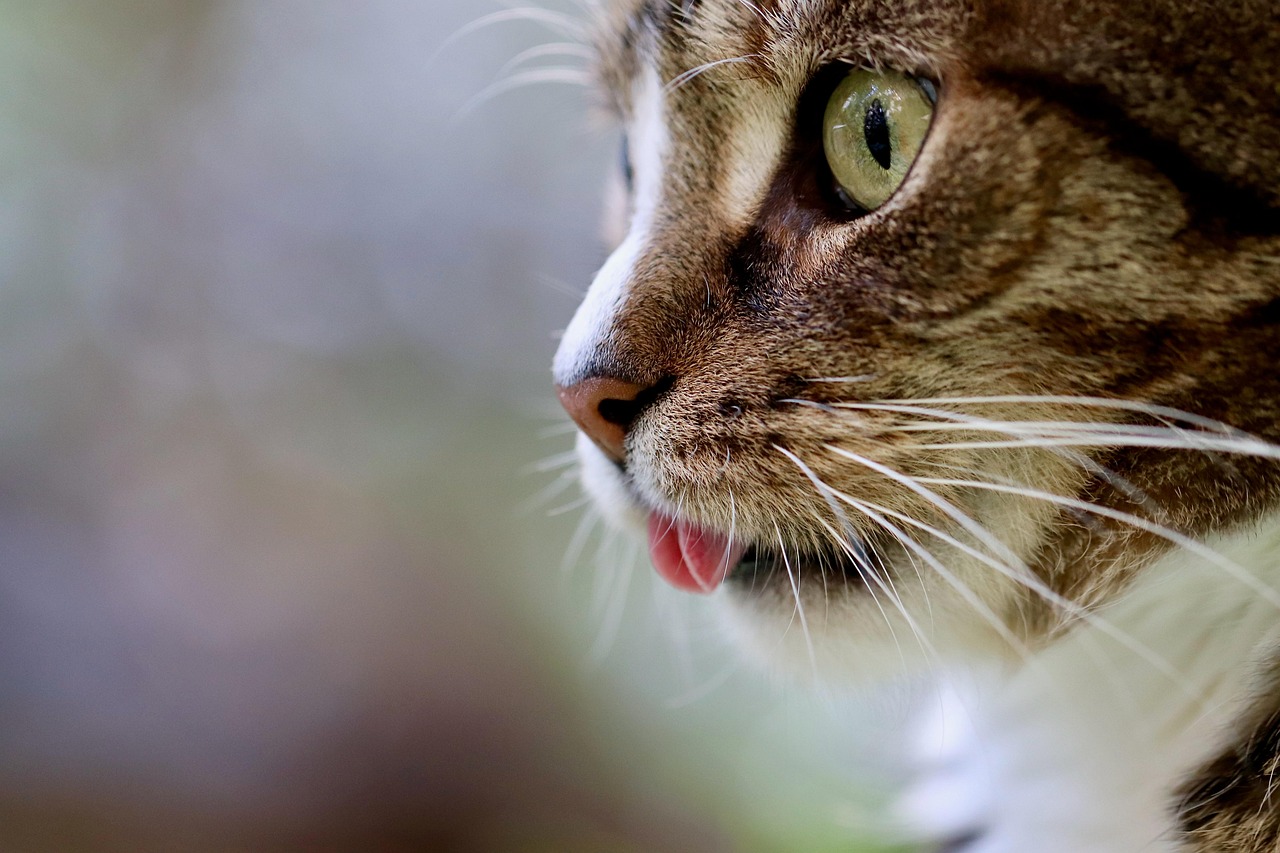

How to Prepare Your Cat for Sudden Travel Changes or Delays
Traveling with your cat can be both exciting and stressful. It’s essential to be prepared for unexpected events during your journey. Delays can occur due to various reasons, including weather, roadblocks, or mechanical issues, which can upset your well-laid plans. The key to successful cat travel is to have a clear emergency plan. First, ensure that your cat’s health records are up-to-date, including vaccinations and any necessary medications. Having these documents on hand ensures quick access if you need to seek veterinary care. Second, pack a travel kit that includes essential items such as food, water, a portable litter box, and any comfort items like toys or blankets that smell like home. This can help keep your cat calm and comfortable during unexpected delays. You might also want to include a copy of your pet’s health insurance policy. Familiarizing your cat with their carrier before the trip can ease anxiety when traveling. Finally, always incorporate breaks to allow your cat to stretch and relieve themselves. Safety and comfort should be your top priorities when traveling with your furry friend.
Next, create a contingency plan. While you’re preparing your cat’s travel kit, think ahead about potential obstacles that could arise during your journey, particularly delays. Identify potential pet-friendly accommodations along your route where you and your cat can rest. Ensure that you familiarize yourself with their policies regarding late check-ins and possible fees. It’s a good idea to keep a list of multiple locations in case your first choice is unavailable. If you’re flying, it’s crucial to check the airline’s regulations and ensure they are well-versed in handling pet travel, especially in emergencies. Additionally, consider what supplies you would need if stuck in transit longer than expected. Keep extra food, treats, and bottled water in your emergency kit. Prepare for scenarios where you may need to adapt to local conditions; for instance, be aware of the availability of vet services wherever you’re traveling. Make sure your cat is equipped with proper identification, like a microchip or an ID tag, that includes your contact information. Preparing in advance will give you peace of mind and help keep your cat safe through uncertainties.
Furthermore, acclimate your cat to their carrier before the trip. Cats often feel anxious when confined to unfamiliar spaces, so practice is important. Gradually introduce your cat to the carrier days before traveling, allowing them to explore it and become familiar with that enclosed environment. You can utilize treats or toys to create positive associations with the carrier, incentivizing your cat to enter willingly. Create a comfortable setting by adding soft bedding or a favorite toy to their carrier, making it feel more like home. When travel delays arise, your cat will be more comfortable if they have been accustomed to the space. If staying somewhere new, bring along familiar items to reduce stress, such as a blanket that smells like you. Also, make sure to secure your cat within the vehicle for their safety, as sudden stops can lead to injuries if they become unrestrained. Prepare for possible motion sickness, especially in cats that are not used to car rides. Your veterinarian can recommend strategies to help, including safe medications for travel that can help keep your cat calm.
Monitoring Your Cat During Travel
Your cat’s well-being is paramount, especially during unforeseen travel challenges. Regular monitoring is crucial throughout your journey. Look for signs of distress or discomfort in your cat, such as excessive vocalization, panting, or attempts to escape from the carrier. Create a calm environment; keep the music low and ensure the cabin temperature is comfortable. Enhanced acclimatization can often alleviate some nerves; try using calming sprays or pheromone diffusers designed specifically for cats. Engage in gentle conversation to reassure them while traveling. When on rest breaks during delays, allow your cat time to explore their immediate surroundings. If it is safe, let your cat outside with a leash and harness to prevent them from escaping. Ensure that the area is closed off from potential dangers like traffic or other animals. If you must stay in a hotel, confirm whether they have pet-friendly accommodations to avoid unnecessary stress. Having a plan for each leg of the journey solidifies your preparedness. Check local pet services along the way, including veterinarians and boarding facilities, in case of an emergency.
In addition, ensure you stay informed about weather and traffic conditions. Sudden changes in the weather can affect your travel plans, possibly forcing you to detour or delay your journey. Keep multiple routes in mind and utilize navigation apps that provide real-time updates. Check road conditions or airport status if you’re flying; keeping informed will make adapting to changes smoother. Notify your travel companion about any modifications while keeping distractions to a minimum. If your cat appears agitated, consider stopping at a quiet pet-friendly area where you can comfort them for a while. Bring along any reliable travel tools you might need, such as a portable water dish or a collapsible litter box, so you can set up a comfortable space even in unfamiliar territory. Have patience, as your cat may require extra comfort and love during unexpected delays. Keeping your cat’s mood positive will play an essential role in their overall travel experience. Plan to have plenty of energy-rich snacks and meals packed to stay nourished throughout the journey in case delays extend your travel time.
Moreover, evaluate your own emotional state. Cats are remarkable at detecting human emotions and may mirror their owners’ anxiety. As such, it is essential to keep a calm demeanor during traveling. Implementing relaxing techniques such as deep breathing can help you manage any rising stress, which will benefit your cat too. Take breaks when necessary to focus on your mental well-being. Ensure you schedule adequate downtime for yourself as well, and be proactive about addressing any issues that arise. Share your thoughts with your cat, talking to them softly or singing a favorite song; these actions may help soothe both parties. Disconnect from electronics when safe, as constant notifications can lead to distraction and stress. Feel free to engage in light conversation during rest stops but do ensure safety is prioritized. After reaching your destination, give yourself and your cat some time to adjust. Explore the new area gently. Be flexible with your plans, and allow for some spontaneity in your travel schedule. This can help ease transitions and create manageable experiences.
Post-Travel Reflection
Finally, after your journey, it’s important to fully assess your travel arrangements and needs for the future. Reflect on what went well during your journey and what could have gone better regarding travel with your cat. Were there particular items you found indispensable? You can refine your packing list based on any new knowledge gained during the trip. Spend some time reviewing your cat’s behavior throughout the travels; did they manage to cope well, or were they highly anxious? Consider discussing your observations with your veterinarian, especially if there were notable signs of fear or stress. Gathering feedback gives you insights into what adjustments are necessary for the next time. Additionally, write down any helpful tips or tricks you learned along the way. If your cat experienced any issues, make a note of them for future reference. Keeping a journal can be incredibly beneficial for planning subsequent trips. Staying proactive in understanding your cat’s needs and preferences will undoubtedly enhance your traveling experiences together.
Lastly, share your experiences with other cat owners. Engaging in discussions about cat travel can yield valuable insights; perhaps others have strategies that worked remarkably well for them. You can even join online communities or forums dedicated to pet travelers. This information exchange can be crucial for learning about lesser-known destinations or pet-friendly accommodations. Additionally, consider creating an online travel log showcasing your adventures with tips that other feline lovers could find beneficial. This is an excellent means of contributing back to the community and helping others navigate the complexities of cat travel. You may also inspire fellow cat owners reluctant to travel due to hesitation over how to manage their pets. Prioritizing thoughtful planning and open conversations can transform cat travel into a delightful bonding experience rather than an ordeal. Remember, the journey you create is about building positive memories with your furry friend, navigating hurdles, and celebrating the unbreakable bond you share. As every travel experience builds upon the last, consistency and awareness will fortify your future adventures.