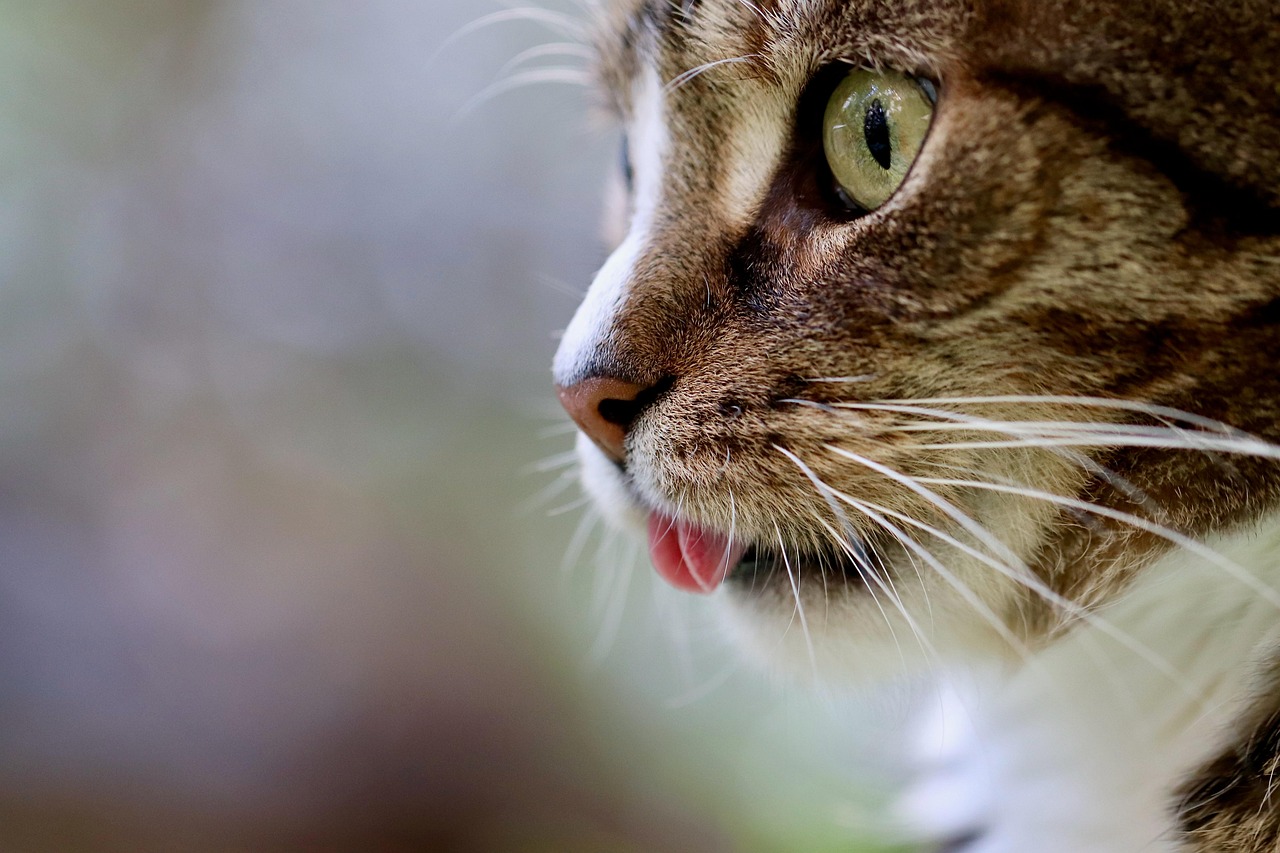

How to Train Your Cat to Come When Called
Training a cat to recognize commands such as “come here” is essential for good behavior. Cats are intelligent creatures, and with patience and consistency, they can learn to respond to commands just like dogs. Understanding the cat’s behavior and body language is a significant part of the training process. Begin the training sessions in a quiet environment to avoid distractions and ensure the cat is focused. Positively reinforce their behavior with treats or praises when they respond correctly to your command. Over time, they will associate the command with receiving something enjoyable. Use a specific phrase or sound consistently so your cat understands what you expect from them. Individual training sessions should be kept short, ideally no more than ten minutes. Repeating this process daily helps reinforce the learning. Remember that cats learn differently than dogs, so progress may be slower. Patience is key; do not punish or scold your cat if they don’t respond as expected. Instead, redirect the training to maintain a positive atmosphere. Building trust and rapport through regular interaction is necessary for successful command recognition.
Once your cat starts to show signs of understanding the command, increase the challenge gradually. You can do this by calling them from longer distances or introducing distractions during training sessions. Try to remain consistent with your commands to avoid confusion. When your cat successfully comes when called, reward them immediately with their favorite treat or some affection. This positive reinforcement will strengthen their response to the command over time. Some cats respond better to clicker training, which involves associating a specific sound with the reward. Introduce the clicker sound before the training begins so that your cat can connect the sound with the reward of treats or strokes. While every cat is different, some may take to training quicker than others, so don’t be discouraged by slow progress. Regular practice and reinforcement will yield the best results. Keeping the atmosphere light and fun will stimulate their excitement about learning. Understanding and catering to your individual cat’s personality will create a more effective training experience. Remember that training isn’t about forcing obedience; it’s about positive connection and making learning enjoyable.
Essential Training Techniques
Start with basic commands, as these provide a foundation for more complex training. For instance, the specific phrase “come here” should be used exclusively to signal that the cat should come toward you. Additionally, it’s crucial to use a calm and inviting tone that encourages your cat’s cooperation. Research shows that cats respond better to positive interactions rather than negative ones. Be sure to incorporate their favorite toys into training sessions, as this can make the experience more rewarding and enjoyable for them. If your cat enjoys interactive play, use that to your advantage. Call them during playtime, so they associate coming to you with having fun. This connection can increase their motivation to respond to your call. Additionally, strive to train when they are most alert and active, typically around dawn or dusk. Avoid training during meal times or the periods of the day when they’re likely to be sleepy. Learning can substantially improve with fresh energy. With repeat exposure, your cat will feel more comfortable and confident in responding to your commands, leading to successful interaction results.
As you progress with the training, it’s crucial to monitor your cat’s reactions and adjust techniques accordingly. If your cat seems uninterested or stressed, take a step back and reassess your approach. Altering your methods might mean changing your command’s tone, treating rewards, or training environment. The goal is to have fun and build trust with your cat while they learn. Additionally, remember that each cat is unique so be patient with their need for individualized approaches. Some cats may require more repetition or time to understand the commands. Consistency builds confidence, while persistence fosters positive behaviors. Gradually add variety to your training sessions to keep them engaging. Try different locations in the house or yard as your cat becomes more comfortable with the training. This also assists with their general adaptability to new environments. Don’t be shy about celebrating small victories along the way. Every time your cat comes when called is a success worth recognizing. Your excitement can be contagious, enhancing your cat’s motivation to obey your commands in the future. Celebrate these moments to solidify the bond between you and your feline companion.
Avoiding Common Mistakes
While training your cat, it’s vital to avoid common mistakes that can hinder progress. For example, do not call your cat only when you need them for something unpleasant like a bath or medication. This association can lead to them ignoring your call in the future. Instead, ensure that your command is associated with positive experiences, such as playtime or treats. Secondly, avoid the temptation to give multiple commands at once; this can confuse your pet and delay learning. Stick to one command during each session, and remain consistent with your cues. When your cat is slow to respond, try not to show frustration. Maintaining a calm demeanor will help them feel secure and encouraged. Also, don’t expect immediate results; training often takes time and patience, especially with independent-minded cats. Adjusting your expectations while understanding that small progress is still progress is essential. Lastly, be cautious not to reinforce unwanted behavior. Ensure that treats or praises are only given when your cat responds correctly. This helps them understand exactly what behavior you are looking for. Keep communications clear, and ensure your cat knows when they’ve done well.
Another crucial piece of advice is to avoid lengthy distractions during training. Keep distractions minimal to ensure that your cat remains focused on your commands. Gradually increase complexity as your cat becomes more proficient. Trust the process, and allow them to learn in a comfortable environment. For instance, using their favorite toys or familiar spaces can help facilitate better learning outcomes. Also, try different times of day to see when your cat is most responsive. Sometimes cats are more motivated during certain times of the day, so take note. This can significantly improve their willingness to engage in training sessions. Keeping sessions short and enjoyable will help prevent boredom or frustration. After all, your cat’s focus is essential for successful training. Additionally, showing affection and patience strengthens your bond, making the training experience more rewarding for both of you. Consistency in your approach pays off in the long run. The aim is to build a framework that nurtures learning while reinforcing your connection. Remember that patience and love will always be at the heart of successful training with your furry friend.
Conclusion
In conclusion, training your cat to come when called involves a blend of patience, consistency, and positive reinforcement. Remember always to maintain a calm demeanor and celebrate their successes, no matter how small. Each training session should be a mix of fun and learning, helping your cat associate positive experiences with your commands. Pay close attention to their individual needs and adapt your techniques accordingly to foster true understanding. Using a clicker or engaging their favorite toys can significantly enhance the process. When you remain positive and enthusiastic, they will be more inclined to respond eagerly. Maintain regular training interactions that are brief and varied to capture their attention continually. Establish routines that make learning enjoyable for them. Be mindful of common mistakes that may impede their progress. Refrain from calling them only when you need something unpleasant done. Encourage them in training by creating a safe space where they feel valued. By nurturing this connection through commands like “come here,” you also strengthen your bond, resulting in a more obedient and affectionate feline companion in your home. Happy training to you and your furry friend!