
Long-Term Care After Parvovirus Infection in Dogs
After a dog recovers from a parvovirus infection, continued care is vital for ensuring their full recovery and regaining strength. Initially, focus on providing a nutritious diet that caters to their sensitive stomach after such strenuous illness. Gradually reintroduce regular food as recommended by your veterinarian. Observing the dog’s daily hydration levels is essential; they should maintain adequate water intake to assist recovery. Incorporating high-quality probiotics can also aid in restoring gut health. Regular veterinary check-ups are necessary, particularly within the first few months after recovery. It’s crucial to monitor for any lingering symptoms such as lethargy or digestive irregularities that may indicate complications. Isolation from other dogs is recommended until full recovery is ensured. This helps prevent the spread of parvovirus and reduces stress on the recovering pet. A calming environment should be provided, including a comfortable resting place and low-stimulation activities. Training sessions or gentle play can progressively help regain their strength. Patience is key during this period, as some dogs may take longer to feel completely normal. Keeping a daily log of their activities could assist in tracking their progress effectively.
After ensuring your dog is stable and recovering from the initial parvovirus infection, it’s important to prepare for potential long-term effects. Some dogs may struggle with recurrent gastrointestinal issues, such as chronic diarrhea, which could be a lingering aftermath of the infection. Monitor their bowel movements closely and report any abnormal signs to your vet. Adjustments to their diet, such as incorporating fiber, might be necessary. Additionally, consider maintaining supplements that can bolster gut health. Regular exercise is fundamental but should be approached cautiously. It’s advisable to start with short walks or light activities, gradually increasing duration and intensity as strength improves. Keep an eye on their energy levels; signs of exhaustion warrant rest periods. It’s not uncommon for dogs to experience anxiety post-recovery, making a stable routine vital to their emotional well-being. Incorporating calming techniques, like gentle massage or specific anxiety-reduction products, may aid in easing stress. Furthermore, vaccination and preventive treatments remain crucial to safeguard health in the months following parvovirus recovery. Establishing a preventive care plan with your veterinarian is fundamental to minimize future health risks and provide your dog with optimum care.
Engaging with your dog socially during their recovery is vital for their emotional health, especially since they may feel isolated due to prior illness. Engaging them in controlled interactions with well-vaccinated, healthy dogs can enrich their recovery experience. However, it’s essential to ensure that these meetings are safe and low-stress to avoid overwhelming your pet. Employ basic training exercises gradually to resurrect their enthusiasm and confidence. Positive reinforcement can be incredibly effective at this stage, helping to build back their trust and positive associations with the outside world. Setting reasonable goals in terms of behavior and activity can lead to rewarding experiences as your dog meets them. Further, consider implementing routines to support their regain of confidence, such as scheduled potty breaks and feeding times. Always ensure these routines are consistent, which aids in reducing anxiety that your dog may face. Engaging with various toys might stimulate your dog cognitively while avoiding overly strenuous activities. Additionally, use puzzle toys that can keep them mentally occupied and reinforce positive play behaviors as they recover. Socialization and mental challenges are massive components of a holistic rehabilitation approach.
Potential Complications After Recovery
Vigilance for potential complications is imperative post-recovery as certain medical issues may arise unexpectedly. Diarrhea and vomiting can still occur in severe cases, even after the main infection is resolved. Persistent gastrointestinal problems may necessitate a distinct nutritional plan, which your veterinarian can assist with. Keep in contact with your veterinarian and follow their recommendations. Regular check-ups are crucial in monitoring overall health and any signs of lasting effects from the infection. Some dogs may develop secondary infections as their immune system gradually regains strength. Ensure your dog is current on their vaccination schedule as recommended by the vet. It’s important to maintain a clean environment to minimize exposure to germs or bacteria, so be diligent with hygiene. Regularly disinfect their living areas, toys, and feeding spaces. Additionally, implementing a preventive health plan could enhance overall well-being and discipline in maintaining their health long-term. Increased vulnerability to other ailments may be a consequence, so boosting their immune system through proper nutrition, exercise, and routine care is necessary. Lastly, never hesitate to reach out to your vet if you notice anything unusual or concerning with your dog during this rehabilitation phase.
Acknowledging the emotional aspects of recovery is essential, as many dogs may experience behavioral changes following a parvovirus infection. Changes in energy levels or increased sensitivity may denote stress or anxiety. Fostering a trusting environment is crucial; reassure them with patience and love. Listening to their needs and adjusting to their emotional states can alleviate feelings of uncertainty. Introducing comforting items, like their favorite blanket or toys, can enhance their sense of security. Gentle training can serve as both physical activity and a bonding experience, aiding in restoring their confidence. Re-introducing them to their normal routines—like walk patterns or feeding schedules—can provide a sense of stability for your dog. Furthermore, establishing clear communication through consistent commands will help relieve anxiety and confusion. Monitoring your dog’s interactions with others is equally important; ensure they have healthy relationships with both people and other animals. Positive experiences during this time will cultivate trust and help maintain their mental health during recovery. Always celebrate small victories, as this will further encourage your pet toward resilience. Showing affection throughout their challenges can be a powerful tool in supporting their recovery journey.
The Importance of Patience
Throughout this recovery period, patience is paramount as every dog will progress differently. One must manage expectations, understanding that recovery can be a lengthy process. It may take weeks or even months for a dog to return to their pre-infection vitality, hence being adaptable is essential. Look for incremental improvements rather than dramatic changes; these are worthwhile to celebrate. Reward your dog for small milestones met during their rehabilitation to encourage positive behaviors and create a sense of achievement for both you and your pet. Frequent compassion can have profound effects on their mental state during recovery. Be attentive to cues regarding their physical and emotional well-being; health status can fluctuate. Regularly reassessing their needs is beneficial as they adjust back to normal activities. Gradually incorporate different experiences, routines, and environments as they become more comfortable. This gradual exposure not only builds strength and resilience but also refreshes their curiosity towards greatness. Learning to enjoy the path to recovery together creates lasting bonds between you and your dog. Ensuring their well-being in both mind and body will pave the way for a fulfilling and active future.
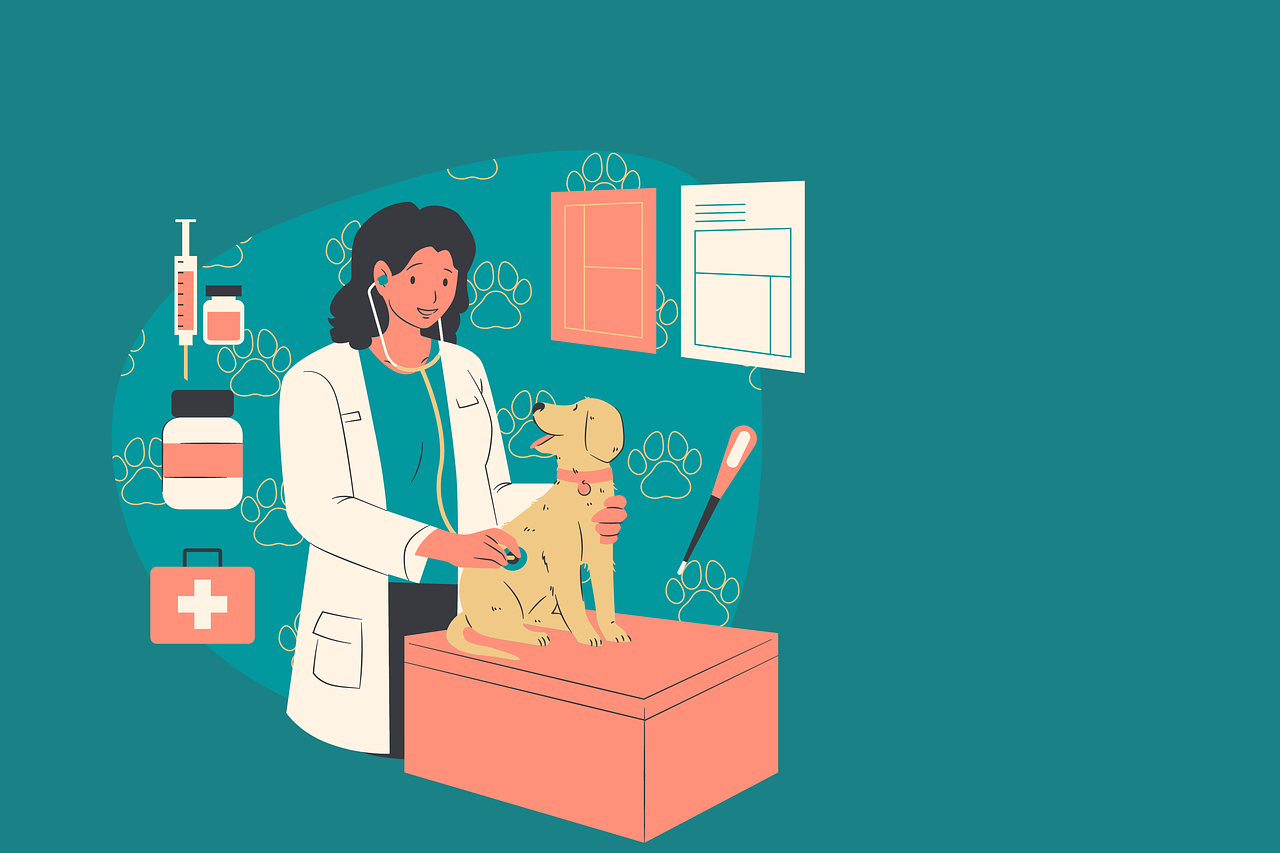
Finally, engaging in open communication with your veterinarian ensures that your contentment is sustained and that your dog is continuously moving towards recovery. Vet professionals can offer insight on dietary changes, exercise levels, and behavioral approaches tailored specifically to your pet. Attending follow-up appointments can substantiate the recovery journey and provide reassurance that your dog is healing as expected. Note that while some recovery may seem straightforward, each pet may need unique strategies. Your vet may suggest specialized diets or counseling methods tailored to your dog. Additionally, as your dog regains strength, incorporating veterinary-recommended supplements or medications may assist in the transition back to normality. Observing changes and relaying any concerns to your vet can significantly impact recovery outcomes. Invest time in learning about the best styles of care tailored for parvovirus-recovering dogs, as this can enhance their physical and emotional health. Engaging resources, reading on effective dog care techniques, and joining communities of similar experiences can provide support during this journey. Ultimately, the love, support, and comprehension you provide will significantly contribute to the recovery and wellbeing of your cherished canine companion.
Conclusion
In conclusion, long-term care after a parvovirus infection in dogs is critical for ensuring a complete recovery and enhancing their overall well-being. The road may be intricately challenging at times, but the correct information and approach are indispensable. Always prioritize veterinary support, as their expertise will prove essential throughout your dog’s rehabilitation. Focus on nutrition, hydration, and gradual reintroduction of activities for positive outcomes. Remember that every dog will recover at their own pace, so patience and understanding are key. Observing emotional well-being alongside physical health can foster confidence, ensuring behavioral normalcy moving forward. Consistent routines and engaging interactions are effective tools that help in alleviating anxiety that may linger from the illness. By monitoring any persistent health issues, seeking immediate veterinary advice is encouraged to mitigate complications that may arise. Continuous education on parvovirus impacts and recovery techniques allows you to be a well-informed caregiver. Building trust through love and resilience lays the groundwork for a vibrant future for your dog, while implementing good habits contributes to their lifelong health. Investing care, love, and vigilance into their recovery process will create a joyful journey for both you and your furry friend.