
Comprehensive Guide to Treating Diabetes in Cats
Feline diabetes is a serious condition requiring timely diagnosis and proper treatment to ensure your cat lives comfortably and happily. This guide aims to provide an overview of effective treatments for diabetes in cats, focusing on insulin therapy, diet, and lifestyle modifications. Early detection is crucial; common symptoms include excessive thirst, frequent urination, and weight loss. If you notice these signs in your cat, consult your veterinarian for thorough testing. Effective management starts with implementing a structured treatment plan tailored to your cat’s individual needs. Generally, diabetes can be managed through insulin injections, which help regulate blood sugar levels. Additionally, changing your cat’s diet to include high-protein, low-carbohydrate foods can significantly assist in managing sugar levels. Regular exercise is also vital, as it helps maintain a healthy weight and improves overall health. Monitoring your cat’s progress through regular vet visits allows adjustments to the treatment plan as needed, ensuring that your feline companion receives the best care possible with a balanced approach that enhances their quality of life.
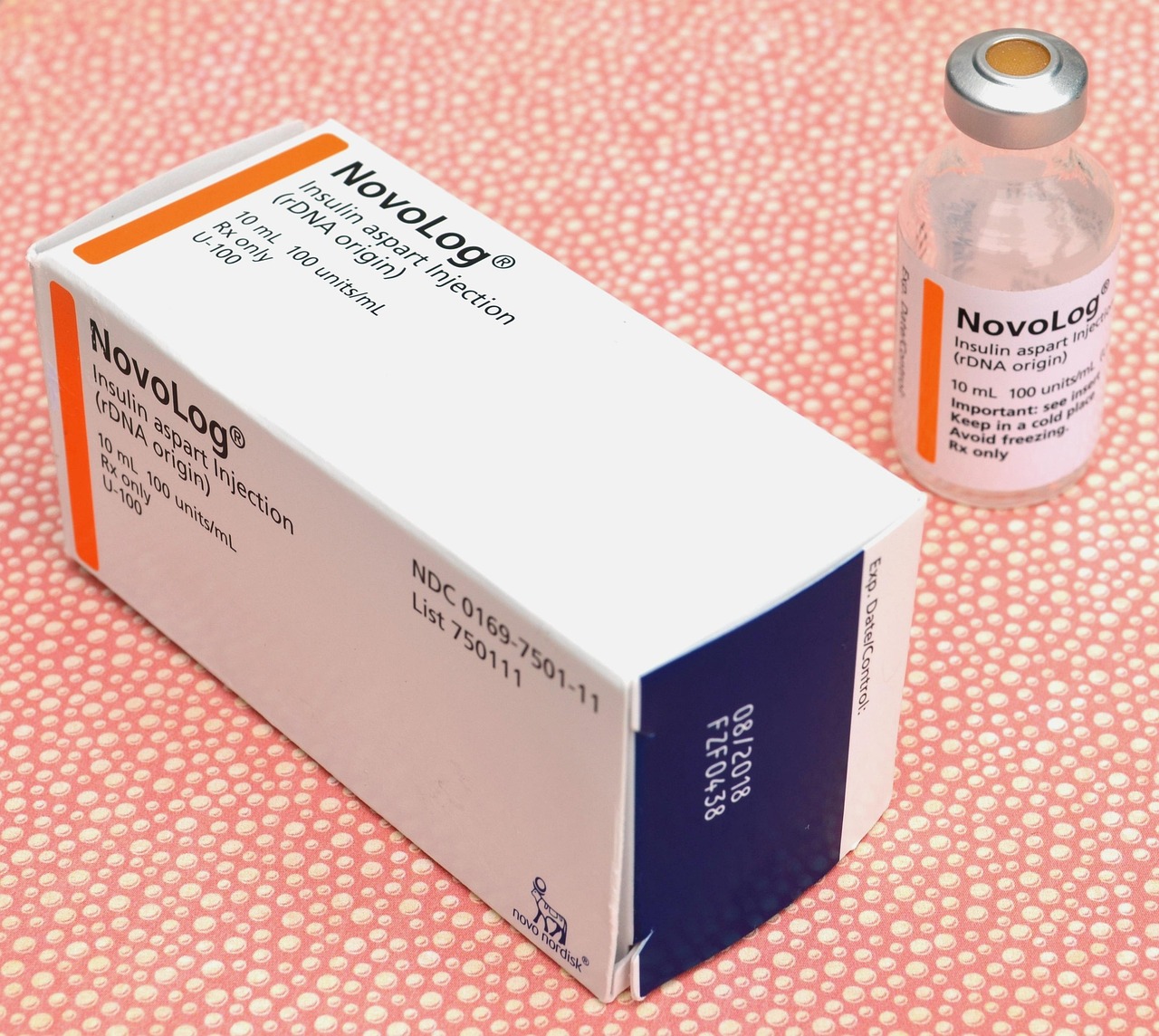
When it comes to insulin therapy, it’s critical to understand the different types available, as each has unique benefits suitable for your cat’s specific needs. Glargine and Detemir are popular long-acting insulins, often recommended by veterinarians for their efficacy in maintaining stable blood glucose levels. Proper administration and dosage are vital in ensuring effectiveness, so always consult your veterinarian for guidance. Concurrently, dietary adjustments play an essential role in managing diabetes effectively. Focus on providing cat food that is specifically formulated for diabetic pets. These specialized diets typically have increased protein content and reduced carbohydrates, helping to regulate blood sugar levels naturally. Store-bought and homemade diets can be considered, but always seek professional advice before making significant changes. It’s important to note that each cat is different; finding a suitable food may take some time and experimentation. Additionally, avoid feeding them treats filled with sugars and carbohydrates. Always read labels and opt for healthier snack options to support diabetes management.
Monitoring Blood Sugar Levels
Regular monitoring of your cat’s blood sugar levels is crucial for effective diabetes management. Understanding how to measure glucose levels will significantly improve your cat’s daily care routine. Your veterinarian may recommend using a glucometer, a device that measures blood sugar levels quickly and accurately, allowing for timely adjustments to treatment plans when necessary. It’s possible to perform at-home monitoring, which gives you and your veterinarian valuable insights into your cat’s diabetes management. Aim to check your cat’s blood sugar levels at least once a week or more frequently, depending on your vet’s advice. Establish a consistent routine to help familiarize your cat with the process, making it less stressful for them. In addition to monitoring with a glucometer, pay attention to your cat’s behavior and physical condition. If your cat displays unusual lethargy, vomiting, or other changes, contact your veterinarian immediately. Integrating blood sugar monitoring with overall health assessments will enable you to provide the most effective care and ensure your feline friend remains healthy and happy.
Weight management is another critical component of treating diabetes in cats. Obesity can further complicate diabetes, making weight control crucial to successful treatment. Start by controlling portion sizes and ensuring high-quality diet choices that promote weight loss while maintaining health. Gradual weight loss is recommended, as sudden weight loss can have adverse effects on a cat’s health. Regular vet check-ups can help assess weight loss progress. Additionally, engage your feline friend in physical activities to burn calories, such as interactive play. Encourage movement through playtime, using toys that stimulate their natural hunting instincts. Not only does exercise help with weight management, but it also contributes to overall well-being and mental health. Spending quality time with your cat during play can strengthen your bond while promoting a healthy lifestyle. Even small changes, like encouraging them to reach for their food, climbing trees, or engaging with other pets, can enhance their activity levels. Collaboration between you and your veterinarian is essential when designing an effective weight management plan tailored to your cat’s lifestyle.
Insulin Dosage and Administration
Understanding the correct insulin dosage for your cat is fundamental for maintaining its health. Adjustments might be necessary based on daily monitoring of blood sugar levels, as fluctuations can sometimes occur due to various factors, including diet and activity levels. Therefore, consistency in administering insulin is important. Administer insulin shots at the same times each day, ideally with meals, for more stable and predictable glucose levels. Your veterinarian will provide guidelines, balancing dosage and frequency. If you suspect a problem, note any changes in behavior or condition, as this information will aid your vet in making necessary adjustments. It’s also vital to rotate injection sites regularly to prevent irritation or lipodystrophy. Common sites include the scruff of the neck or thighs, where the skin is more pliable and less sensitive. Learning the proper technique is essential; it minimizes discomfort for your cat and maximizes the effectiveness of the treatment. Investing time in learning these skills can contribute significantly to both you and your cat’s confidence during treatment.
When managing your cat’s diabetes, proper dental care is often overlooked yet incredibly important. Diabetes can lead to dental issues, which can further complicate overall health, making regular dental check-ups essential. Oral health can impact blood sugar levels; thus, maintaining healthy gums and teeth is vital for a diabetic cat. Look for signs of dental problems, including bad breath, difficulty eating, or visible decay. Discuss appropriate dental care routines with your veterinarian, including dental cleanings and home care. Choosing dental-friendly treats can also support oral health. In addition, providing toys that promote chewing can help maintain dental hygiene and reduce plaque build-up. Investing in quality dental care ensures that your cat remains healthy in every aspect, reducing the risk of dental complications linked to diabetes. Regular attention to oral health within a comprehensive diabetes management plan is an aspect that cat owners should not disregard, as it contributes positively to their cat’s longevity. Remember to prioritize prevention rather than dealing with issues after they arise, as a proactive approach can strengthen your furry friend’s overall healthcare strategy.
Handling Complications
Despite efforts in managing feline diabetes, complications can arise, requiring immediate veterinary attention. Common complications in diabetic cats include hypoglycemia, infections, and diabetic ketoacidosis. Hypoglycemia occurs when blood sugar levels drop dangerously low, usually due to insulin overdosing or missed meals. Recognizing early symptoms—such as weakness, shaking, and disorientation—can save your cat from adverse reactions. Always have a source of quick sugar close by, such as Karo syrup, to treat mild hypoglycemia at home. Infections can occur due to a weakened immune system and may exhibit symptoms like lethargy and lack of appetite. Diabetes can also lead to ketoacidosis, an emergency condition that develops from insulin deficiency and high blood sugar levels. Cats may show signs of vomiting, excessive thirst, or fruity-smelling breath. If you observe any of these symptoms, don’t hesitate to contact your veterinarian immediately. Building a relationship with your vet ensures you have a solid support system for your cat, which is instrumental in managing diabetes effectively. Together, you can navigate the complexities of feline diabetes, ensuring your buddy continues to thrive.
In conclusion, managing feline diabetes requires a holistic approach combining various treatment methods, ensuring your cat has the best quality of life. By incorporating insulin therapy, dietary changes, weight management, and regular veterinary check-ups, you can significantly improve your cat’s condition. Remember that each cat is unique, and it may take time to find the right combination of treatments that work for your feline friend. Always maintain open lines of communication with your veterinarian and promptly address any concerns or changes in behavior. Keeping a daily log of monitoring results, food intake, and behavior can help you track your cat’s progress effectively. Emphasizing preventative healthcare is essential; regular check-ups can catch potential complications early, allowing for swift interventions. Engaging in consistent health habits ensures your cat can enjoy life to the fullest, despite its condition. Continuous research on feline diabetes can lead to promising advancements in diabetic management, making the future brighter for our furry companions. Educating yourself and staying informed allows you to navigate this journey more confidently and support your cat better. Ultimately, love and patience will contribute immensely to your cat’s overall happiness.