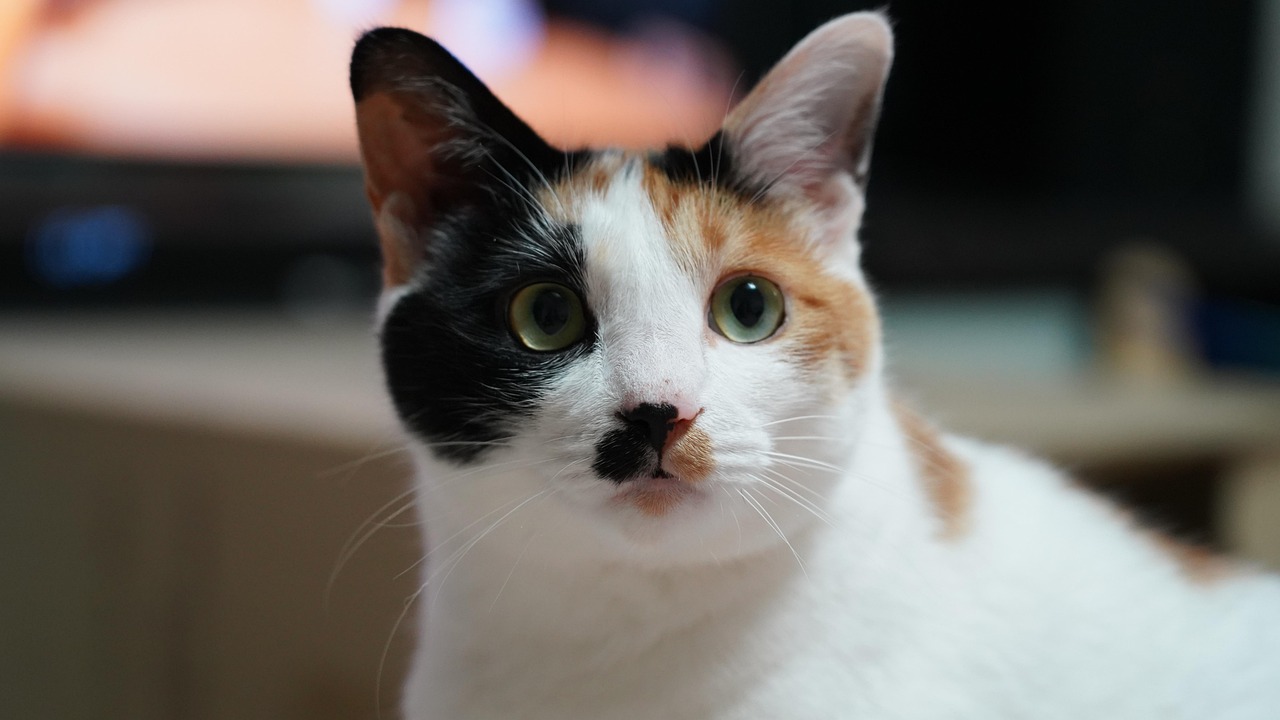

Differentiating Between Allergies and Respiratory Infections in Cats
Understanding the difference between allergies and respiratory infections in cats is crucial for pet owners. Both conditions can exhibit similar symptoms that may confuse even seasoned caretakers. Allergies often present as itchy skin, watery eyes, and sneezing, while respiratory infections frequently lead to coughing, nasal discharge, and lethargy. Recognizing these differences is vital in ensuring your feline friend receives the correct treatment they need. The first step is detailed observation of your cat’s behavior and physical symptoms. If your cat appears to be excessively scratching, has inflamed skin, or exhibits a runny nose, it’s important to assess the environmental factors. Allergens such as pollen, dust mites, and certain foods can trigger such responses. Conversely, respiratory infections, often caused by viruses or bacteria, tend to present more severe symptoms. A trip to the veterinarian can provide clarity through diagnostic testing. It is advisable to keep a record of your cat’s symptoms, noting their frequency and severity. This information will aid your veterinarian in determining the best course of action for your pet.
When assessing your cat’s condition, consider factors like exposure to other animals, recent changes in diet, and alterations in the home environment. These aspects can play a significant role in the development of respiratory infections or allergic reactions. Vaccination status also matters because unvaccinated cats are at a higher risk of developing respiratory illnesses. It is essential to keep vaccines up to date according to your veterinarian’s recommendations. Additionally, environmental management strategies, such as cleaning your home regularly, can minimize allergen exposure. This may involve using air purifiers and maintaining a low humidity level to inhibit mold growth. When you suspect either allergies or infections, it is wise to avoid self-medication. Over-the-counter antihistamines intended for humans might not be safe for cats. It is crucial to consult with a veterinarian prior to administering any treatment. Quick intervention might be necessary for respiratory infections, as they can sometimes evolve into more severe diseases, including pneumonia. Always evaluate potential risks to help maintain your cat’s health in the long run.
Common Symptoms of Allergies in Cats
When identifying allergies in cats, there are specific symptoms that you should look out for. Cats may display itching and scratching more frequently, particularly around their faces, necks, and paws. Red, inflamed skin or chronic ear infections can also indicate allergic reactions. In addition, you might notice your feline friend experiencing excessive tearing and sneezing fits. Some cats may also develop hair loss, particularly in areas where they groom excessively due to irritation. Allergies can be categorized into three main types: food allergies, environmental allergies, and flea allergies. Food allergies could emerge as gastrointestinal upset. Environmental allergies stem from pollen, dust mites, and mold spores, while flea allergies can occur if your cat is sensitive to flea saliva. Self-limiting or seasonal allergies can sometimes resolve naturally when allergens are removed from the environment. However, recurrent issues should be addressed promptly to ensure your cat’s comfort. Consulting with your veterinarian will enable a proper diagnosis, possible allergy testing, and the creation of an appropriate management plan tailored to your pet’s specific needs.
Respiratory infections in cats can manifest through a variety of symptoms, many of which may appear severe at first glance. A common sign is nasal discharge, which might be clear or colored and can indicate varying degrees of infection. Additionally, you may notice coughing, wheezing, or labored breathing as the infection worsens. If your cat is lethargic, loses interest in food or play, these are important indications of illness. Other symptoms may include fever and swelling of the lymph nodes. To differentiate from allergies, it’s essential to note that respiratory infections typically come on more suddenly. If your cat shows these signs, seek veterinary attention promptly. Diagnostic tests, such as blood tests, x-rays, or nasal swabs, may be necessary to determine the cause of the respiratory issue. If caught early enough, treatment options include antiviral medications, antibiotics, or supportive care such as fluids and a warm environment. Keeping your cat’s living area clean and free from irritants will help to reduce the risk of infections in the future. Be observant of their overall health and behavior for effective management.
Steps to Take When Your Cat Shows Symptoms
Being proactive when your cat exhibits symptoms is crucial in addressing potential health concerns effectively. First, observe your cat’s behavior and symptoms closely, noting when they started and their duration. Take your cat’s temperature to check for fever. Normal feline body temperature ranges between 100.5°F and 102.5°F. If temperatures exceed this range or if other symptoms persist, it is time to consult your veterinarian. Prepare to share your observations with your vet, as specific details can guide them in diagnosing and treating the issue. Managing their environment is also key to alleviating symptoms. You may want to close windows or limit outdoor access if environmental allergens are suspected. Regularly cleaning your cat’s litter box and providing fresh water can also support health. If allergies are diagnosed, your veterinarian might recommend specific dietary changes or antihistamines. For respiratory infections, treatment might include antibiotics or antiviral medication. Always ask about any special at-home care your cat may need, including dietary adjustments or follow-ups, to ensure optimal recovery.
Preventative measures are crucial for maintaining your cat’s health in the long run, particularly concerning allergies and respiratory infections. Regular veterinary check-ups enable early detection and management of issues. Keeping your living space clean, minimizing dust, and avoiding smoking indoors can substantially benefit your cat. Environmental enrichment is also essential; providing opportunities for play and stimulation can keep emotions steady. You should also regularly groom your cat to eliminate excess fur and dander, which can contribute to allergies. If your cat is prone to allergies, dietary strategies can minimize risks, ensuring their health remains stable. Consult your veterinarian for appropriate, hypoallergenic cat food options that may help. Should you notice recurring bouts of allergies or respiratory issues, it may be time to consider allergen testing as a more comprehensive approach to management. Utilizing these proactive and preventative strategies will contribute to your cat’s enhanced well-being. Make time for preventive care, and always prioritize your feline friend’s health to deter possible ailments, ensuring a happy and thriving life.
Conclusion
In conclusion, differentiating between allergies and respiratory infections in cats can significantly impact your pet’s quality of life. Recognizing the symptoms of both conditions serves as the first step in effective pet ownership. Observing changes in your pet’s behavior and physical characteristics can provide crucial insights into their health status. Consult your veterinarian if you are uncertain about your cat’s symptoms; they can provide guidance and diagnostic testing. Timely intervention is essential in helping your cat recover and maintain a happy life. Whether it’s managing allergies or treating respiratory infections, taking action quickly can prevent potential complications. While educating yourself on these conditions, remember that every cat is unique, so their responses to treatments may vary. Customizing your approach based on your cat’s needs while working with your veterinarian will yield the best results. Keeping your feline friend healthy requires dedication and awareness, assuring that they live their happiest life possible. Through understanding these important distinctions, you are better positioned to ensure the welfare of your feline companion and create a loving environment.
In summary, being an attentive cat owner means mastering the differences between allergies and respiratory infections. By understanding the signs and taking the necessary steps, you empower yourself to protect your furry companion. Create a safe and healthy living environment, and always consult professionals when in doubt. Through education and proactive care, you can ensure that your beloved cat enjoys an optimal and vibrant life.