
DIY Target Stick Models: Creating Affordable Training Tools
Training cats effectively can be achieved through various methods, and one of the most popular tools for this purpose is the target stick. A target stick allows you to guide your cat through different exercises and commands using a simple point of interest. Making your own target stick can be quite simple, and it can be done with materials readily available in your home or nearby stores. This article will highlight a few models, focusing on affordability and ease of construction. Many pet owners find store-bought sticks to be expensive or unappealing; crafting your own can save you money and provide a personal touch. When planning your DIY project, consider your cat’s preferences and behaviors. For instance, using colorful tape or stickers can make the stick more enticing for your feline friend. This guide will provide step-by-step instructions, ensuring the end product is highly functional and engaging for your cat. Emphasizing reward-based training, using the target stick to promote positive reinforcement can create a fulfilling training session for both you and your cat.
Materials Needed for Your DIY Target Stick
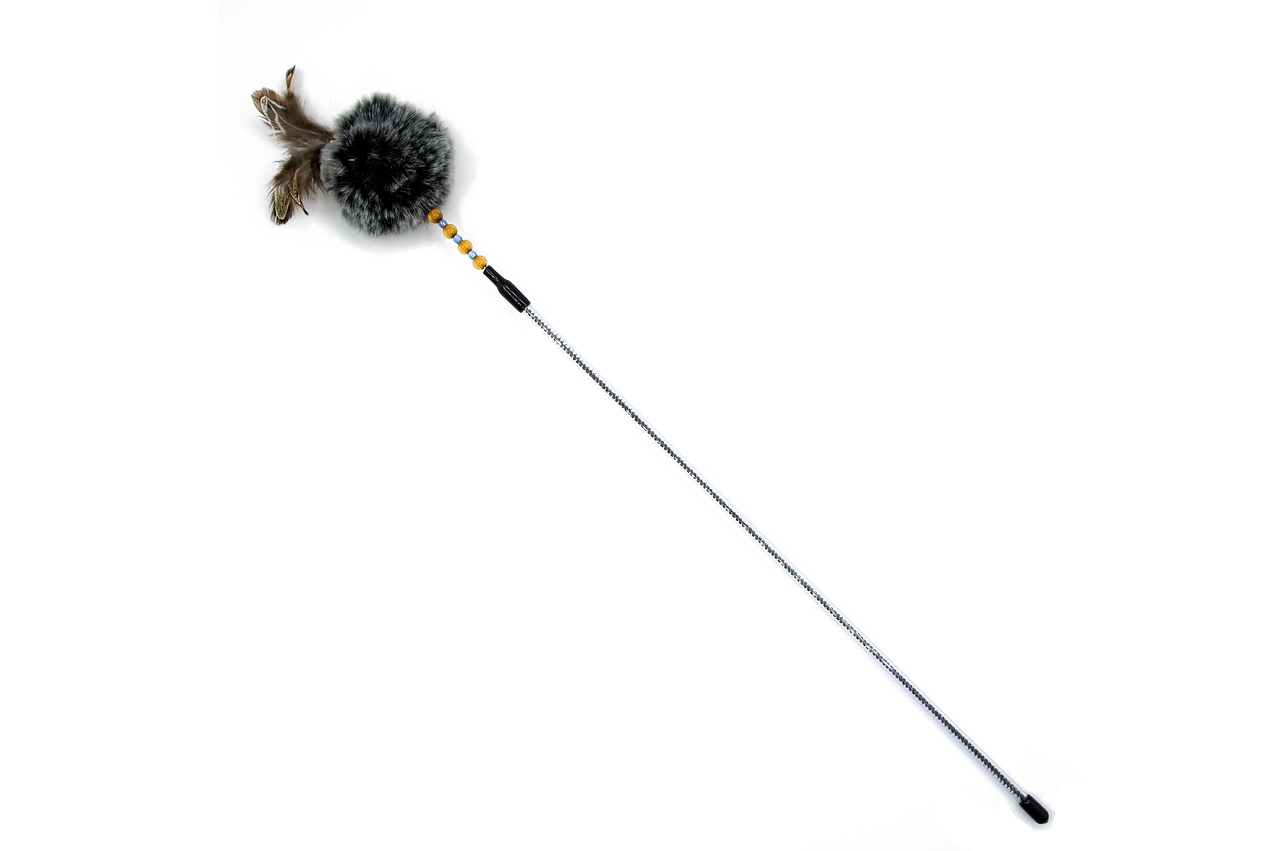
Creating your target stick involves the use of easily accessible materials. You will need a long, lightweight stick, which can commonly be a dowel, a chopstick, or even a sturdy straw. The stick should have a comfortable grip and be easy to maneuver. Next, consider using a ball or a piece of bright tape to serve as the target at the end of the stick. These can be found at most craft stores or even in your home. The target needs to be something that attracts your cat’s attention. Besides these, you might need scissors for any necessary cutting and glue if you’re planning to attach any items to the stick. The beauty of DIY projects lies in customization; you can choose colors or decorations that your cat prefers, enhancing appeal. Always ensure that the materials are safe and non-toxic for your pets. Lastly, having treats on hand during training can help to motivate your cat as you guide them using the target stick. This makes training sessions much more enjoyable, both for you and your pet.
Once you have gathered your materials, the assembly of the target stick is your next step. Start by cutting your chosen stick to a suitable length, ideally around 24 inches. This length allows you to guide your cat effectively while keeping a safe distance. If you are using a dowel, it may already come in the perfect length. Next, securely attach your chosen target item to one end of the stick. If you are using tape, wrap it tightly around the end, and ensure it’s firmly affixed to avoid it slipping off during use. Alternatively, if you’re using a small ball or other toy, use glue to attach it firmly. Allow time for drying if you used adhesive, as this can help maintain the durability of the stick during training sessions. Customizing your target stick with bright colors or unique designs also adds to the appeal. Cats are attracted to vivid colors and interesting shapes, so feel free to decorate the stick as creatively as you wish. This will not only help in targeting but in making your training sessions more engaging.
Now that your target stick is complete, it’s time to initiate the training process. Begin by familiarizing your cat with the target stick. Allow them to investigate the stick without any pressure. Use treats and gentle encouragement to create a positive association. As your cat shows interest in the stick, reward them to reinforce this behavior. Gradually, you’ll want to encourage them to touch the target with their paws or nose. This interaction is essential; it should be a fun experience for your cat, promoting exploration and engagement. Start in a quiet environment free of distractions to ensure your cat remains focused. Explore different areas and create exercises that will keep your cat intrigued. For example, guiding the stick to higher or lower locations can help practice jumping or pawing. Remember to use treats for positive reinforcement, maintaining excitement throughout the process. Training sessions should be kept short, around five to ten minutes, to keep your cat engaged and prevent boredom. Frequent, brief practices are much better than longer, less frequent sessions.
Tips for Successful Target Training
When using a target stick with your cat, there are several tips to enhance the experience and effectiveness of your training sessions. First, patience is key; every cat learns at their own pace, so allow time for your feline friend to grasp the concept of target training. Some cats may initially be hesitant or confused, which is completely normal. Ensure you maintain a calm demeanor, encouraging your cat gently. Always reward any positive behavior immediately with treats or praise, reinforcing the action. Gradually introduce challenges as your cat becomes more comfortable with the target stick. Trying different tricks, like teaching your cat to jump through hoops or navigate a simple obstacle course, can make training fun and rewarding. It’s also important to assess your cat’s mood and energy levels, as a tired or stressed cat may not be as receptive to learning. Lastly, don’t forget to mix up your training sessions! Introducing new exercises or varying your approach keeps things fresh, stimulating your cat and preventing them from losing interest in the training process.
Another essential aspect of training is to ensure the target stick is always clean and well-maintained. Regularly check the stick for any signs of wear and tear, especially if used frequently. If your cat shows an interest in chewing on the stick, consider redesigning it with slightly different materials, such as using a PVC pipe instead of wood, as it may be more durable for less gentle cats. Keeping the stick clean prevents any potential health issues and is a simple maintenance task that can improve your cat’s training experience significantly. Right after training, consider cleaning the stick with mild soap and water, especially if your cat has been particularly enthusiastic. Storing the target stick in a safe, dry place can also prevent damage. Designate an area where your cat knows the stick is kept; this can create anticipation for training sessions. By establishing a consistent routine, your cat will learn when to expect training games, and this can enhance their eagerness for the sessions. With all these tips, you can maximize the potential of your DIY target stick.
Conclusion: Enjoying Your Target Stick Training Sessions
Creating your own target stick model is not just an economical solution; it can also be a fun project that strengthens the bond between you and your cat. By engaging in positive reinforcement training with your furry companion, you both enjoy the experience while teaching valuable skills. Always adapt your training sessions based on your cat’s responses and preferences. If your cat seems disinterested, altering your techniques can reignite their focus. Remember to keep each session light-hearted and enjoyable, preventing your cat from feeling overwhelmed. Observing the bond between you and your pet grow as you teach them new tricks can be immensely rewarding. As your cat masters skills with the target stick, consider exploring other training tools or methods to expand their repertoire. Keep introducing new challenges, and don’t hesitate to share progress with fellow cat owners or training groups; this can foster a sense of community. Embrace this journey together and continue to inspire each other throughout the training process, ensuring a fulfilling and entertaining experience for both you and your beloved cat.