
Feeding Strategies to Ensure Nutrient Absorption in Cats
Understanding cat nutrition is crucial to your feline’s health and longevity. A balanced diet includes sufficient proteins, fats, vitamins, and minerals. Cats primarily require nutrients found in animal-based foods. The typical diet for cats should also include various amino acids, particularly taurine, which is critical for their heart, eye health, and overall function. To promote optimal absorption of nutrients, consider incorporating wet food into their diets. Wet food is often richer in protein and moisture, contributing to hydration. Additionally, it can be beneficial to mix both dry and wet food, as this adds variety and keeps your cat interested. You should also consult a veterinarian to ensure your cat’s specific needs are met based on their age, weight, activity level, and health concerns. Another important factor is the feeding schedule; consistent timing can improve digestion and nutrient utilization. Be mindful of the treats you give, too, as excess snacks can lead to poor nutrient absorption. Aim for high-quality products that complement their main diet without excessive calories. In summary, a varied, balanced diet is essential for supporting nutrient absorption in cats for optimal health.
Understanding the Role of Proteins
Proteins play a critical role in cat nutrition, serving as the building blocks of tissues and enzymes. Cats are obligate carnivores, meaning they depend on animal-based proteins to meet their amino acid requirements. When feeding your cat, opt for high-quality protein sources such as chicken, turkey, and fish. These foods not only provide essential nutrients but also help maintain muscle mass and support recovery. It is important to read labels carefully; ensure that the protein source is listed as the primary ingredient, while avoiding by-products or fillers. In addition to ensuring that proteins are effectively sourced, it’s also crucial to vary protein types in your cat’s meals. This encourages diverse nutrient intake and helps prevent food sensitivities. Including animal organs, such as liver or hearts, in small amounts can also significantly boost nutrient density. Remember to balance protein with the right amount of fats and carbohydrates, as these also aid in their overall health. Generally, a ratio of around 30-40% protein to 20-30% fat is advisable for most adult cats. Keeping your cat’s diet balanced ensures they thrive with optimal energy levels.
Fats are not just an energy source for your cat; they play an essential role in overall health. Fats help with the absorption of specific vitamins, specifically vitamins A, D, E, and K, which are crucial for a cat’s immune system and skin health. Healthy fats, such as omega-3 and omega-6 fatty acids, are vital for maintaining a shiny coat and healthy skin. Fish oils and certain plant oils are great sources of these essential fatty acids. Different breeds and ages of cats may have differing fat needs, so adjusting their diet may be necessary based on their specific lifestyle and health conditions. When selecting cat food, look for options that include these healthy fats in their formulation. Overly processed foods may strip away natural fats, so ensure you choose brands that promote natural ingredients. Be cautious with the amount of fat, as excessive intake can lead to obesity. Regularly monitor your cat’s weight with the vet to adjust the proportions accordingly. Offering a balanced ratio of fats supports optimal nutrient absorption and leads to a happier, healthier cat overall.
The Importance of Vitamins and Minerals
Vitamins and minerals complement proteins and fats, ensuring cats receive a well-rounded diet. Essential vitamins, such as A, B-complex, D, E, and K, support various bodily functions. Vitamin A is particularly vital for vision, immune function, and skin health. Meanwhile, B vitamins are important for energy production and nerve function. Cats absorb fat-soluble vitamins through dietary fat, making it essential that they consume a balanced combination of fats and proteins. Minerals, including calcium, phosphorus, and potassium, also play vital roles in bone health, muscle function, and cellular processes. An appropriate balance of these minerals contributes to overall health, including teeth and skeletal strength. Always opt for cat food formulas that explicitly list added vitamins and minerals to ensure your pet gets what they need. Additionally, consider incorporating foods such as leafy greens and cooked vegetables; some are beneficial and provide phytonutrients. These food choices can enhance digestion and nutrient absorption. However, talk to your vet before making any dietary changes to account for individual health circumstances. Regular assessment can help maintain nutrient balance in your cat’s diet for proper growth and health.
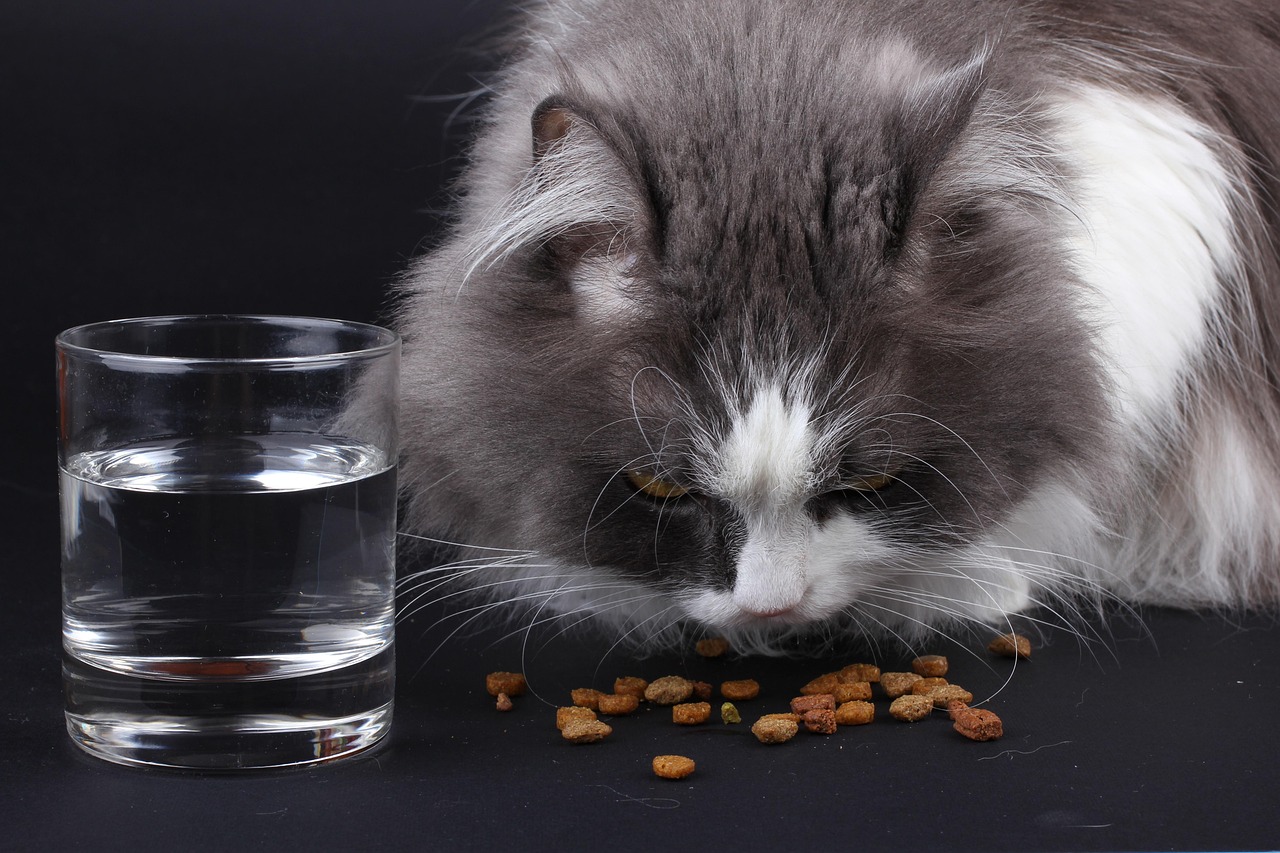
One often overlooked factor in ensuring nutrient absorption is hydration, which is crucial for cats but often neglected. Cats are not naturally inclined to drink large amounts of water, considering their evolution as desert creatures. Ensuring adequate fluid intake helps their kidneys function properly and assists in digestion. To encourage cats to stay hydrated, consider providing a water fountain, as many cats are attracted to running water. This can promote more regular drinking, help prevent urinary tract issues, and aid in overall health. Offering wet food is another efficient way to increase moisture intake. Foods with moisture content supply hydration alongside essential nutrients, making them an excellent choice. Monitor your cat’s daily water consumption and consult your veterinarian if they seem to be drinking less than usual. Dehydration can lead to severe health complications, including kidney disease. Ensure your cat has constant access to fresh, clean water to promote healthy hydration. You may also add water to dry food or offer broth as a treat, as this may encourage more fluid intake. Remember, consistent hydration plays a vital role in helping your cat absorb nutrients from their diet effectively.
Managing Feeding Patterns
Setting proper feeding patterns is essential for nutrient absorption and overall health. Cats thrive on routine, meaning both the timing and frequency of meals can significantly impact their digestion. Generally, feeding your cat at regular intervals can enhance nutrient assimilation, as their digestive systems are tailored for multiple small meals throughout the day. Most cat owners ensure to provide two to three meals a day, but some may benefit from free feeding if they don’t overindulge. Be mindful that more frequent feedings can lead to better nutrient absorption compared to an irregular feeding schedule. Observe how your cat reacts to its feeding regimen and adjust as necessary. Preventing overeating or binging by controlling portion sizes is critical since excess food intake can hinder digestion. Implementing a set feeding schedule not only assists in nutrient absorption but can also improve overall behavior, as cats feel more secure with their routine. Don’t forget to account for age and lifestyle factors; younger, more active cats may require more frequent meals than senior cats. Every cat is unique, so it may take some time to find the right rhythm for your feline.
Understanding the role of fiber in your cat’s diet is essential for healthy digestion and nutrient absorption. Fiber helps regulate intestinal transit and can assist cats with digestive issues or weight management. While cats don’t require a large amount of fiber, a modest inclusion in their diet can aid their digestive health. Foods that are naturally high in fiber, such as certain vegetables or bran, can help control blood sugar levels and promote a feeling of fullness, which can be beneficial for overweight cats. When selecting cat food, look for ingredients that provide both soluble and insoluble fiber. Soluble fiber can help absorb nutrients, while insoluble fiber adds bulk to waste, promoting regularity. You may also add a small amount of pumpkin puree or hydrated chia seeds to their meals, which can boost fiber without excessive calories. However, moderation is key since too much fiber can lead to gastrointestinal upset. Always monitor how your cat responds to fiber adjustments in their diet. Consulting with a veterinarian during dietary changes can ensure a balanced approach that promotes both satisfaction and health.
This…