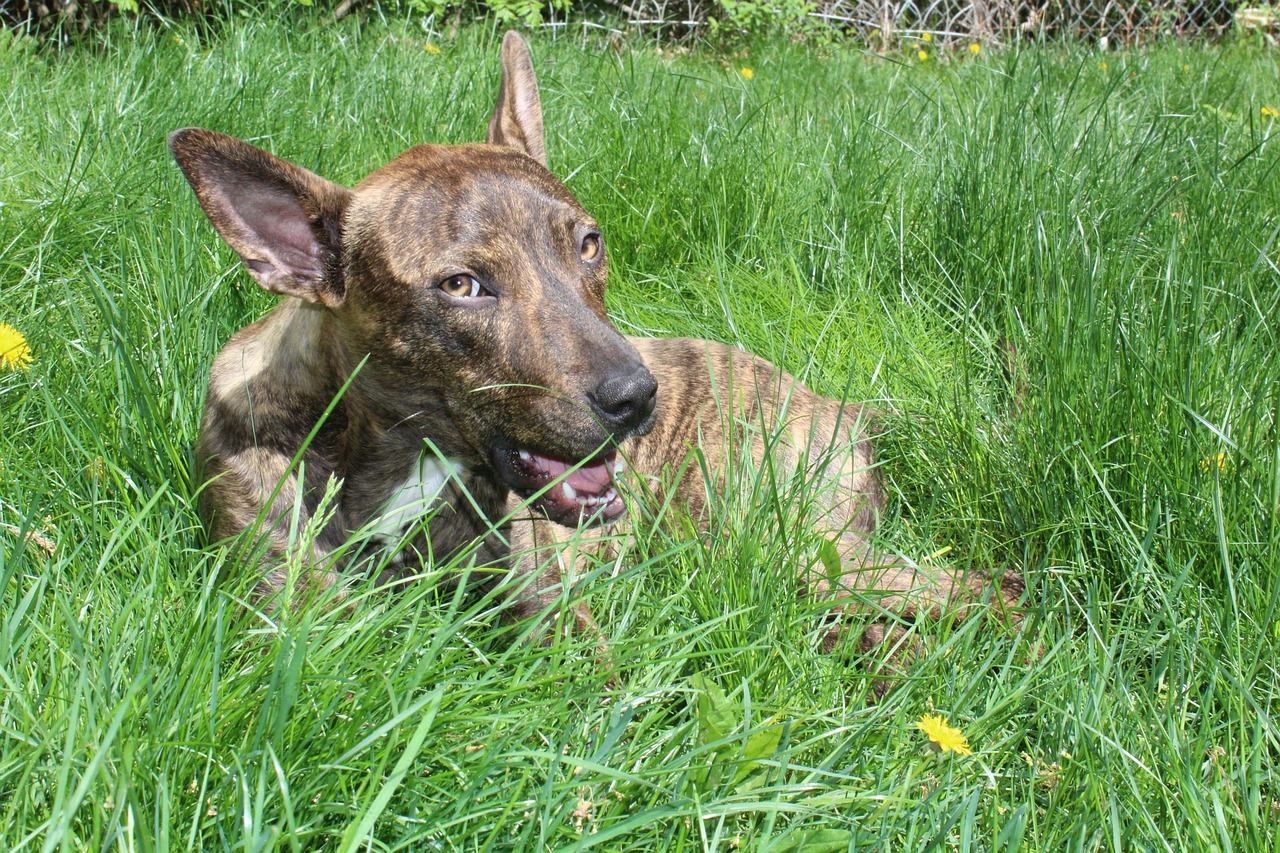

From Fear to Fellowship: Overcoming Challenges After Dog Adoption
Adopting a dog can transformative for both the animal and the owner, but it often involves navigating many challenges. Each adopted dog has a unique story that influences their behavior and emotions. Once they step into a new home, these dogs may face overwhelming feelings of fear, anxiety, or uncertainty. Understanding their background is crucial to helping them adapt. It’s essential for adoptive families to take a patient, forgiving, and nurturing approach. Developing trust takes time, and each dog advances at their own pace. Gradually introducing the new environment can make a significant difference. A safe space, like a cozy bed or crate, allows dogs to retreat as needed. Moreover, allowing the dog to explore their surroundings at their own pace can foster confidence. Familiarizing them with the family routine helps them feel secure and promotes emotional bonds. Besides, incorporating positive reinforcement techniques effectively encourages desired behaviors while building trust. Socialization is another critical area that should be addressed. With time and proper guidance, dogs can overcome their fears, leading to a loving and fulfilling relationship with their new family.
Establishing routines can significantly aid in easing the transition for adopted dogs. Dogs thrive on structure, and having designated feeding times, walks, and play sessions can help them understand what to expect. This sense of predictability can relieve much of their anxiety during the adjustment phase. Incorporating basic commands into the daily routine can further enhance bonding. Activities like training not only help the dog learn rules but also provide mental stimulation. Consistency is key, so make sure all family members are on the same page when it comes to training methods. Encourage pets and love through gentle words, affection, and delicious treats. Observing your dog for signs of comfort and discomfort alike plays a vital role in their adjustment. Early intervention can prevent negative behaviors from becoming habits, and the guidance of a professional dog trainer may be beneficial. Also, regular vet visits ensure the dog’s health as well as identifying any underlying issues that may cause fear or anxiety. Lastly, understanding that every dog progresses at a different pace will nurture the bond between you and your new furry friend.
Socialization and its Importance
Socialization is fundamental to a dog’s well-being and integration into a household. Many rescue dogs have had limited exposure to new experiences, which can result in anxiety around strangers, other animals, or unfamiliar sounds. Gradually introducing your dog to various situations helps them learn how to cope with their surroundings. Start with calm and controlled environments, and slowly increase exposure to more complex scenarios. Encouraging interaction with other friendly dogs fosters healthier social behaviors and boosts confidence. Puppy classes can be an invaluable resource for socialization while also strengthening the bond between you and your adopted dog. For timid dogs, controlled playdates with well-mannered dogs can ease tension. It’s essential to monitor interactions and create positive associations. Positive experiences in new settings will help your dog become more adaptable over time. If your dog shows extreme fear or hesitation, it’s important not to force interactions, as this can reinforce fearful behaviors. Instead, take a step back and proceed at a pace comfortable for your dog. Over time, their confidence can blossom, and they may even learn to seek out physical affection and friendships.
Behavioral issues are common among many rescued dogs adjusting to new homes. Problems such as excessive barking, chewing, or anxiety can arise from their experiences in the past. Understanding the root cause provides insight into how to address these behaviors effectively. Patience, consistency, and appropriate training can lead to improvement. It’s crucial to differentiate between behavioral problems arising from anxiety, fear, or merely boredom. Working with a professional trainer provides valuable tools and techniques for dealing with such issues. Implementing structured playtime engages a dog’s mind and body, helping to curb unwanted behaviors. Providing mental stimulation, via toys or puzzles, can also channel their energy into more productive activities. Establishing boundaries and encouraging positive reinforcement are effective methods to modify behavior. For persistent anxiety or fear-related issues, seeking advice from a veterinary behaviorist could be beneficial. In severe cases, a combination of training and medication may be necessary, ensuring a well-rounded approach to the dog’s needs. Remember, the journey of overcoming these challenges is often gradual and requires commitment from the entire family. Together, you can cultivate a calm, joyful home for your beloved dog.
Building Trust with Your Dog
Trust-building is an essential process in nurturing a happy and healthy relationship after dog adoption. Many dogs come from trauma backgrounds and may not instinctively trust new humans. Building trust involves consistent interactions, and every family member should engage positively with the dog. Establishing safe zones where the dog feels comfortable is vital. Avoid overwhelming them with hugs or direct approaches that might invoke fear. Slow and gentle movements, combined with kind words and treats, can help build a secure connection. Take time to let the dog approach you first, allowing them to dictate the pace. Gradually, they may come to associate humans positively, which can involve play or treat time. Always remain observant to any signs of stress during these interactions, as respect for boundaries is paramount. As trust develops, provide ample opportunities for affectionate bonding through games or leisurely walks. Dogs thrive on attention, and positive experiences will accelerate their trust journey. Remember to be patient; trust takes time to develop. The rewards of a loving relationship formed through understanding, compassion, and trust-building are immeasurable and forever cherished.
Coping with behavioral changes in adopted dogs can pose a challenge, especially during the transition phase. Understand that change, even a positive one, can be overwhelming for these dogs. Watching for signs of stress or anxiety, such as excessive barking or hiding, is crucial in addressing their needs. Implement gradual introductions to new scenarios, environments, or people to minimize stress levels. Positive reinforcement techniques—like offering praise, treats, or toys—encourage good behavior and foster a sense of security. Companions for rescue dogs, such as established pets or supportive friends, can facilitate smoother transitions. This process may require creativity and flexibility in solving problems. If a situation provides excessive stress, consider taking a step back until your dog feels more comfortable. Adopting a dog may be an emotional journey filled with highs and lows; however, perseverance will lead the way to healing. Enlist the support of a veterinarian or canine behaviorist for professional advice. Keeping structure consistent in daily routines ensures the dog’s sense of predictability, helping mitigate anxiety and behavioral issues. Over time, your dedicated care will lead to a happier and healthier relationship with your newly adopted companion.
Celebrating Progress
Celebrating small victories and milestones is an integral part of supporting your adopted dog’s journey. Recognizing progress, no matter how minor, fosters a sense of accomplishment and strengthens the owner-dog bond. Documenting this journey through photos or notes can serve as a reminder of how far your companion has come. Even mastering basic commands or interacting more confidently with people is worth celebrating. As your dog begins to exhibit improved behaviors, such as calmness during walks or positive interactions, take time to reflect on these achievements. Each success demonstrates your dedication and the dog’s resilience. Encouraging an attitude of understanding, love, and patience nurtures a positive environment where the dog can thrive. Throwing a little ‘celebration’ at home—like a special treat or new toy—can reward progress while reinforcing positive behavior. Share your journey and milestones with friends or dog-loving communities for additional support. Understanding that the journey includes ups and downs ensures you remain committed to your dog’s well-being. The shared joys and experiences create an unbreakable bond and a loving partnership, paving the way for a bright future together.
By embracing the challenges and rewards that come with adopting a dog, families create a deeply fulfilling and transformative experience. Adopting gives countless dogs a chance at a loving home and a new life. Ensuring successful adjustment requires understanding, patience, and love as vital components. Families can positively influence their dog’s well-being by addressing behavioral concerns, building trust, and creating healthy routines. Engaging with resources like trainers or behaviorists fosters growth and thriving relationships. Additionally, celebrating progress and small achievements throughout the journey encourages companionship and strengthens the bond formed. Recognizing that the adjustment period varies for each dog allows families to be patient and flexible in their approach. Forging a strong partnership with an adopted dog leads to a cherished friendship that lasts a lifetime. Finally, sharing your journey with others can inspire more adoptions, offering hope and healing for many dogs still in shelters. This love within families resonates with the dogs they adopt. Together, fur families embark on a beautiful journey filled with affection, loyalty, and unforgettable moments. Ultimately, these tales of triumph contribute to the larger narrative of dog rescue, reminding us all of the power of love and second chances.