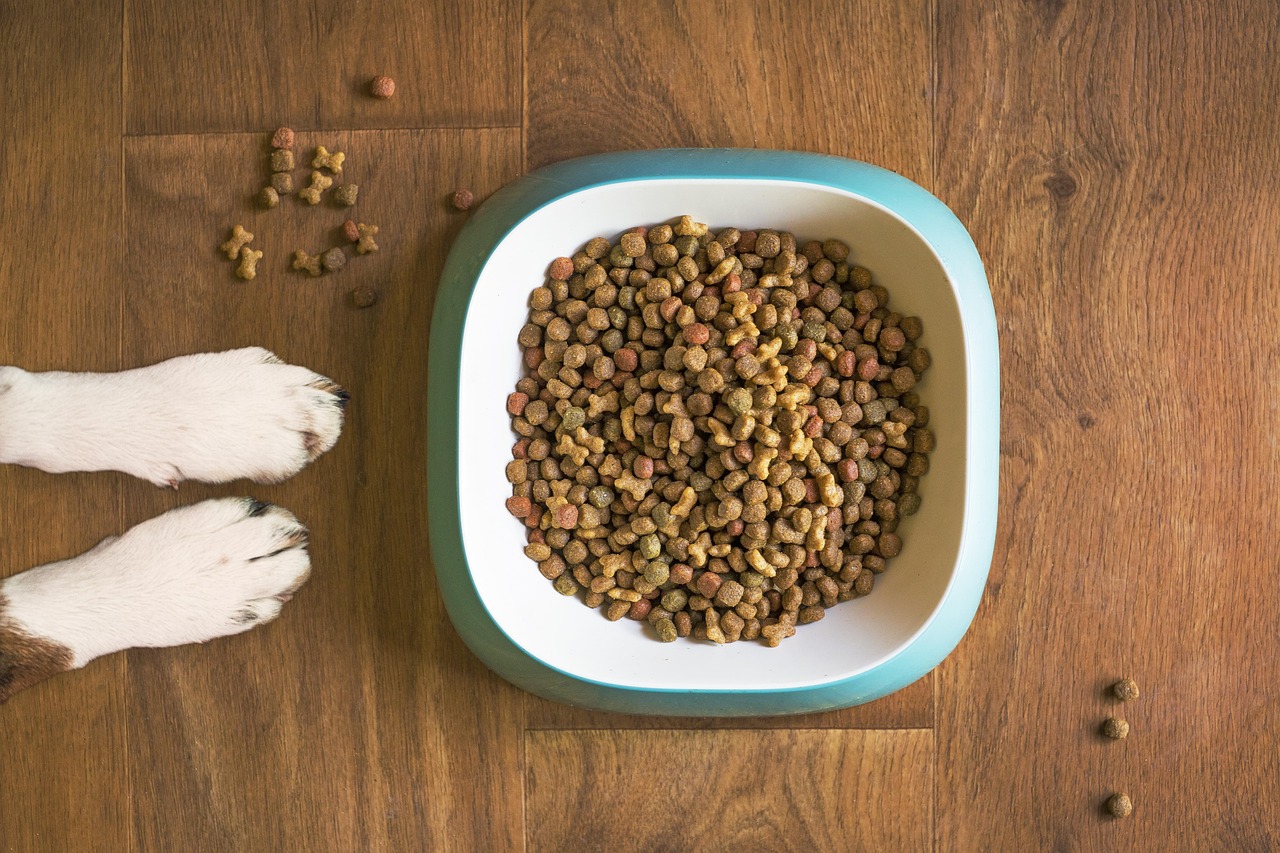

How Gluten Affects Your Dog’s Digestion and Health
Understanding the impact of gluten on your dog’s overall health is crucial. Gluten, a protein found in certain grains such as wheat, barley, and rye, can lead to various digestive problems in dogs. Many dogs experience gluten intolerance, which is distinct from gluten sensitivity seen in humans. Intolerance can manifest in symptoms such as vomiting, diarrhea, and inflammatory bowel disease. While some dogs may digest gluten without issues, many others cannot. A gluten-free diet can often alleviate such problems. Pet owners are encouraged to monitor their dogs’ reactions to food containing gluten. Consulting a veterinarian when considering a gluten-free diet is advisable. It’s important to note that not all grains contain gluten; options like rice and quinoa are gluten-free and nutritious. Increasing awareness around gluten-free diets for dogs has led to a growing range of pet food products tailored to meet this need. Always read ingredient labels carefully and look for gluten-free certifications. Providing a balanced grain-free alternative can be a game-changer for dogs suffering from gluten-related issues, ensuring their diet meets all nutritional requirements. The right dietary approach can improve your dog’s behavior and well-being significantly.
Recognizing Symptoms of Gluten Sensitivity
Recognizing symptoms of gluten sensitivity in dogs is the first step in ensuring their health. Dogs with gluten intolerance may present a variety of symptoms, making it essential for owners to be vigilant. Common signs include chronic diarrhea, weight loss, and lack of energy. Additionally, some dogs may exhibit skin irritations or unusual scratching. These symptoms can sometimes be mistaken for allergies or other health problems, complicating diagnosis. A thorough evaluation by a veterinarian can help determine if gluten is the underlying cause. It’s typically recommended to provide a diet that eliminates gluten sources for a few weeks to observe changes. If symptoms improve, it may indicate gluten was the trigger. In conjunction with a vet, keeping a detailed food diary can track dietary changes and symptoms. Owners should be cautious about introducing new foods and monitor any reactions. The best outcome is achievable when a tailored diet is combined with regular vet check-ups. Identifying and managing gluten sensitivity can lead to improved health and a happier lifestyle for your dog. Quick action can also help prevent long-term complications, allowing them to thrive in their environment.
When considering a gluten-free diet for your dog, understanding alternative grain options is vital. Many commercial pet foods now cater to the gluten-free needs of our furry friends. These foods often include safe grains like brown rice, sweet potatoes, and peas, which provide necessary nutrients without gluten. Additionally, some brands offer fully grain-free options. It’s crucial to ensure these alternative ingredients contain sufficient proteins, vitamins, and minerals. A balanced diet is essential for keeping your dog active and healthy. Always check ingredient lists carefully, as some products may claim to be gluten-free but could still contain trace amounts. Consulting with vet nutritionists can help identify suitable food products tailored for gluten-sensitive dogs. Transitioning to a new diet should be gradual to reduce digestive upsets. A sudden food change may create additional stress. Supporting your dog with proper nutrition results in better digestion and improved overall health. Manufacturers are increasingly offering a variety of gluten-free dog treats as well. High-quality gluten-free snacks can also be a great way to reward your pet without jeopardizing their health. Smart choices lead to a fulfilled, energetic canine companion.
Benefits of a Gluten-Free Diet
Transitioning your dog to a gluten-free diet could yield numerous benefits. Many dogs have improved digestion and reduced gastrointestinal issues after eliminating gluten. A gluten-free diet often leads to increased energy levels and better overall health for dogs. Owners report seeing positive changes in their pets, from shedding excess weight to improved coat conditions, contributing to a more vibrant appearance. Reduced digestive problems can lead to fewer vet visits and lower health care costs. Additionally, dogs on a gluten-free diet may exhibit better behavior and mood, as gastrointestinal discomfort often impacts temperament. Many gluten-free dog foods contain higher-quality protein sources, vital for muscle health and energy. When a diet is rich in beneficial ingredients, dogs may experience increased longevity and vitality. It helps to select dog food with wholesome ingredients and realistic protein ratios suitable for their energy levels and activity. The enjoyable aspect is that gluten-free dog foods come with various flavors, ensuring your pet will enjoy mealtime. Satisfaction during meals can significantly enhance the overall eating experience for your furry friend, leading to a happy and healthy life together.
As the trend toward gluten-free diets continues to gain popularity, it’s essential to remain informed about common misconceptions. Some pet owners may mistakenly think all grains are harmful or that gluten sensitivities are prevalent among all dogs. In reality, the need for a gluten-free diet depends on individual dogs. Understanding that not all dogs suffer from gluten-related issues is essential. Many dogs can digest common grains without issues, so overgeneralizing might lead to unnecessary dietary restrictions. It is crucial to differentiate between dogs needing gluten-free diets and those that can consume regular dog food containing grains. Therefore, consulting a veterinarian is vital for tailored advice maximizing health and nutrition. Additionally, premature changes to a dog’s diet can lead to imbalanced nutritional intake. Instead of following trends, focus on your dog’s unique dietary needs. Always conduct thorough research on dog food brands and their ingredients. Educating yourself on gluten and its effects can empower you as a devoted pet owner. Reliable information allows you to make informed decisions about your dog’s diet, contributing significantly to your pet’s quality of life in the long term.
Making The Transition Smooth
Transitioning your dog to a gluten-free diet requires a careful approach to ensure their comfort and health. Starting gradually is key to minimizing digestive discomfort. Introduce gluten-free foods slowly, mixing them with the current diet to help your dog adjust. Aim for about 75% of the old diet over the first few days, progressively increasing the proportion of gluten-free food. This method reduces potential digestive upheaval that sudden diet changes can cause. Monitoring your dog closely during this transition period is crucial. Look for any signs of discomfort, and be prepared to slow down if issues arise. Some dogs may require longer adjustment periods than others, and patience is essential. Adjusting your dog’s feeding schedule or portion sizes can also be beneficial. Considerations like introducing real food options, such as plain boiled chicken or rice, can help in the adjustment and ensure your pet receives vital nutrients. Regular vet check-ups during this transition can provide security and insight. Ultimately, patience and diligence during this process will lead to successful long-term results, enabling you to witness the delightful effects of a gluten-free diet on your dog’s life.
Once your dog has transitioned to a gluten-free diet, continuous monitoring is essential. Regular assessment will help ensure they thrive and meet their nutritional requirements. Evaluate their overall health, energy levels, and coat condition frequently to gauge dietary effectiveness. Any sudden changes in behavior or health should be addressed promptly, as they may signal underlying issues. Ensuring your dog’s diet contains sources of quality protein and essential fatty acids is equally vital. Look for feeds specifically formulated for gluten-sensitive dogs, as such products will cater to their unique needs. Furthermore, as your dog’s lifestyle changes, it’s important to adapt their diet accordingly. An active dog may require different dietary needs than a sedentary one. Providing variety in their meals is also beneficial for both enjoyment and nutrition, as different ingredients offer diverse vitamins and minerals. Additionally, incorporating natural supplements can support digestion and overall health. Regular communication with your veterinarian will ensure you stay informed about the best practices for your dog’s dietary needs. The goal is to achieve a successful gluten-free diet that supports a happy and healthy life for your furry friend while minimizing any health issues.
Resources for Gluten-Free Dog Diets
Many resources are available to guide pet owners in establishing gluten-free diets for dogs. Websites dedicated to dog nutrition often feature articles, recipes, and product reviews, helping owners make informed choices. They provide insights on how to choose ingredients that enhance your dog’s meal plans. Forums and community groups can also be a great way to connect with other pet owners experiencing similar dietary journeys. Sharing experiences and advice can shed light on effective gluten-free products and methods for transitioning diets. Moreover, many authors and experts publish books focused on canine nutrition, particularly highlighting gluten-free options. Exploring these resources can equip pet owners with valuable knowledge, preparing them for necessary dietary changes. Online retailers increasingly stock gluten-free dog foods and treats, simplifying the shopping process. Remember to read reviews and seek recommendations from trusted veterinarians or pet nutritionists when selecting products. With the provided tools and knowledge, making informed decisions about your dog’s diet becomes an achievable task. Following suitable dietary practices positively impacts your dog’s overall health, assuring they meet their nutritional goals while enjoying delicious meals tailored to their gluten-free needs.