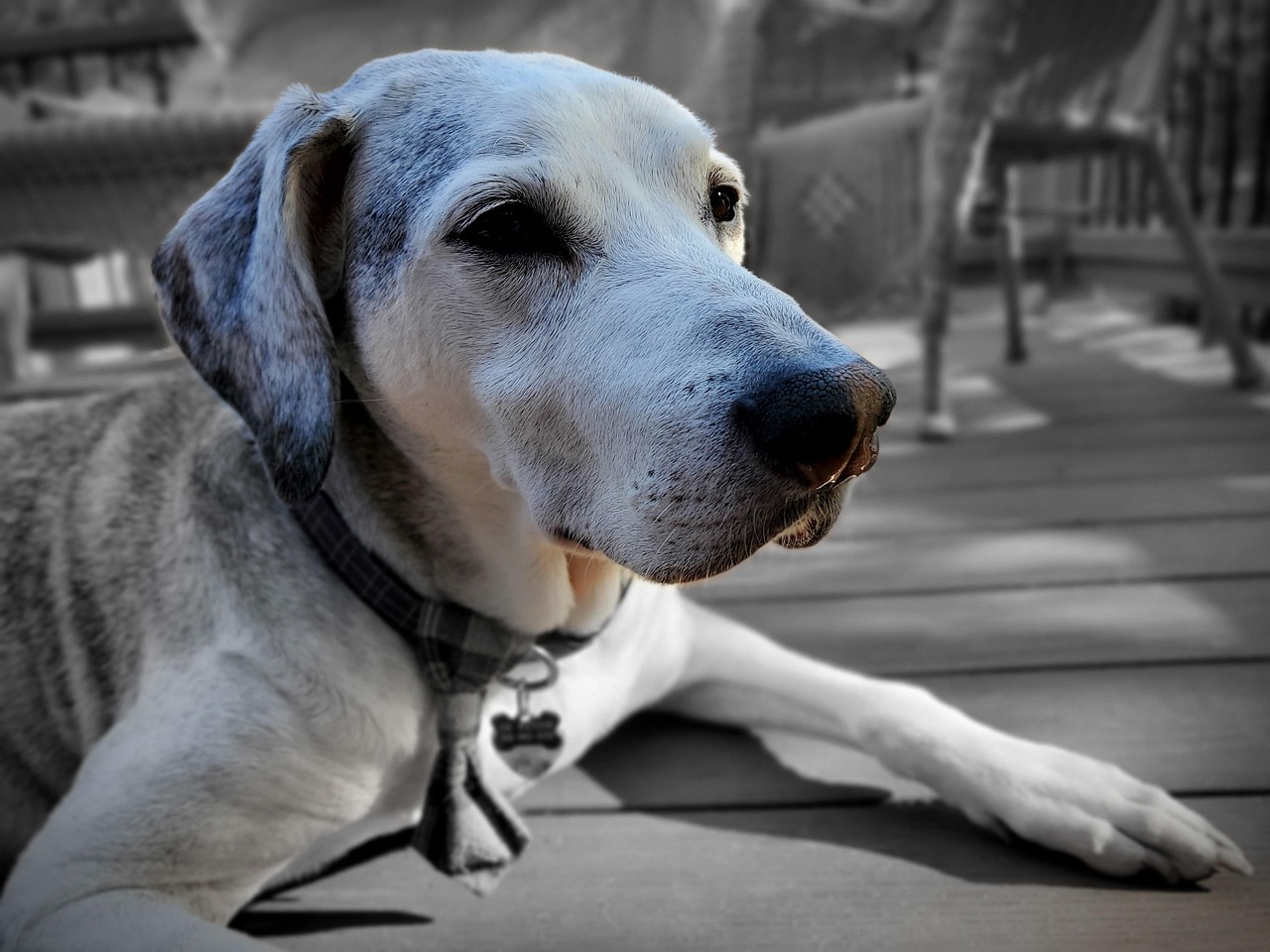

How to Manage Allergies in Senior Dogs
Identifying allergies in senior dogs can significantly improve their quality of life. Older dogs may develop allergies to certain foods, environmental factors, or even flea products. It is essential to monitor your dog’s health closely and look for any signs or symptoms of allergies. Common symptoms include itching, scratching, sneezing, and even gastrointestinal issues. If your senior dog is experiencing any unusual symptoms, observing their behavior and pinpointing when these symptoms appear can help identify potential allergens. Start by maintaining a journal to track your dog’s diet, environment, and any reactions they may have. This information can be invaluable when consulting your veterinarian. It is also important to ensure your dog has a comfortable living environment. Keeping their space clean and allergen-free can help minimize exposure. Regular grooming, including baths and brushing, can remove allergens that may cling to their coat. Remember, senior dogs are more susceptible to environmental changes. Therefore, a proactive approach to understanding their needs can help manage their allergies effectively and keep them happy.
Consulting your veterinarian for allergy testing is critical for an accurate diagnosis. They may recommend various tests to determine your dog’s specific allergens. Testing helps you understand whether your dog is allergic to particular foods or environmental elements. Once you identify the allergens, a treatment plan can be developed tailored to your dog’s unique needs. They may suggest dietary changes, medications, or immunotherapy to alleviate symptoms. For food allergies, switching to a hypoallergenic diet might help. Carefully introducing new foods while monitoring for adverse reactions is essential for success. When it comes to treating environmental allergies, regular wipe-downs after walks and keeping your home clean can benefit your dog. Dogs can also greatly benefit from omega fatty acid supplements, which can reduce inflammation and support skin health. Additionally, preventive flea control is vital, as flea allergies are quite common in dogs. As your old dog ages, consider introducing supplements like joint support and digestive aids to maintain overall health. Keeping their immune system strong can have a significant impact on their ability to manage allergy symptoms.
Home Remedies for Allergies
There are several home remedies for managing allergies in senior dogs. These approaches may help alleviate the symptoms and improve your dog’s quality of life. One of the common home remedies is using oatmeal baths. Oatmeal is known for its soothing properties and can help relieve itchy skin, making it a popular choice among dog owners. You can create a simple oatmeal bath by grinding plain oats into a fine powder and adding it to warm bath water. Keep your dog in the bath for around 10-15 minutes, allowing the oats to work their magic. Another option is herbal teas, such as chamomile or green tea, which can help with inflammation. After brewing and cooling the tea, you can use it as a rinse or in a compress. Adding some apple cider vinegar to your dog’s diet may also help balance the pH in their skin and promote a healthier coat. However, it’s essential to consult your veterinarian prior to trying any remedies to ensure they are safe for your dog. Remember, every dog is unique, and advice tailored to their health conditions is key.
Staying vigilant about your senior dog’s diet can help in managing their allergies effectively. Opting for high-quality dog food that lists real meat and natural ingredients can support their digestive health. Be wary of food products containing common allergens such as corn, soy, and wheat, which may negatively affect your dog. Read labels carefully to avoid any hidden allergens. A limited-ingredient diet might also be beneficial for identifying potential food sensitivities. When introducing new food, do so gradually over a week to avoid gastrointestinal upset. Always monitor your dog for any signs of food-related allergies, such as diarrhea or vomiting. Besides food, consider incorporating fresh fruits and vegetables that are safe for dogs, providing a range of nutrients. Additionally, it may be beneficial to include probiotics in their diet, promoting a healthy gut flora. This might help them cope with allergies and support their immune system. Lastly, keep your home environment allergen-free by using air purifiers, vacuuming regularly, and washing your dog’s bedding frequently to remove allergens that may cause discomfort.
Consulting Specialists
If your senior dog continues to struggle with allergy symptoms despite your efforts, considering consulting a veterinary dermatologist is beneficial. These specialists can diagnose and offer comprehensive treatment options tailored to your dog’s specific needs. Veterinary dermatologists possess the knowledge and tools to assess complex allergy cases, including seasonal or environmental factors. Sometimes, they may recommend desensitization therapy, which involves giving gradually increasing amounts of allergens to train the immune system. Such a therapy can improve your dog’s tolerance to the allergens over time. Management of allergies in senior dogs takes a collaborative effort between you, your veterinarian, and specialists. Keeping thorough records of your dog’s symptoms and any treatments tried can help when discussing options with a specialist. Ensure you ask informed questions during appointments to fully understand potential treatments. Furthermore, it may be beneficial to recognize signs that warrant an emergency visit, such as severe swelling, vomiting, or difficulty breathing. Timely care is crucial in these situations. Remember to provide your dog with the love and attention they deserve throughout this process.
Creating a comfortable and supportive environment for your senior dog is vital in dealing with their allergies. Ensure that their sleeping areas are clean and free from dust, pollen, and other allergens. Maintaining a consistent cleaning schedule, including washing bedding and grooming them regularly, can mitigate exposure to irritants. When it comes to outdoor activities, limiting exposure to grass, pollen, or dust during peak allergy seasons can help significantly. If necessary, restricting outdoor play during morning or evening hours, when pollen counts are highest, might be prudent. Furthermore, ensuring your dog has access to fresh water at all times can also promote hydration and overall health. Consider using a humidifier to maintain indoor air quality, especially during dry seasons, which can alleviate some allergic reactions. Moreover, gentle exercise is essential to keep your dog active while minimizing allergen exposure. Shorter indoor play sessions or utilizing gentle indoor exercises can be a great way to maintain their health without aggravating their allergies. Remember, your senior dog still requires socialization and affection despite their allergy woes.
Monitoring Progress
Monitoring your senior dog’s allergy progress is essential for adapting the treatment plan as necessary. Regular evaluations will allow you to determine which methods and treatments are effective and which need adjustments. Keeping an allergy journal can be advantageous; record any fluctuations in symptoms, dietary changes, and environmental factors. If there appears to be a consistent improvement, it may be wise to continue with the established plan. Conversely, if symptoms persist or worsen, it may indicate the need for a reevaluation. Regular veterinary check-ups will provide insights into your dog’s general health and well-being. Additionally, do not hesitate to seek second opinions if you feel your concerns remain unaddressed. You ultimately know your dog best, and your observations are valuable in managing their health. Staying proactive and informed about new developments in canine allergy management can enhance your approach. Create a positive and stress-free environment for your dog during this journey to happiness. With love, patience, and proactive care, managing allergies in your senior dog becomes less overwhelming, leading to a joyful life for both of you.