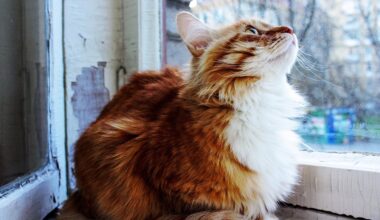

How to Promote Ethical Cat Breeding Practices
Promoting ethical cat breeding practices is essential for ensuring the health and well-being of felines. Unfortunately, many myths and misconceptions surround cat breeding, often leading to unethical practices. One of the most common myths is that more breeding leads to healthier kittens, but this is not true. Healthy breeding involves careful selection of both parent cats based on their genetics, temperament, and health. Responsible breeders conduct genetic testing to prevent hereditary disorders. Additionally, all breeding should prioritize the health and temperament of the cats rather than purely profits. Providing proper care during pregnancies and for the kittens afterwards is vital. Adopting the right ethical breeding practices often means focusing on quality rather than quantity. Evaluating potential homes for kittens must also be a priority for breeders, ensuring that they find loving and responsible families. Helping educate the public about the importance of ethical breeding can combat common myths while promoting responsible pet ownership. Associations and clubs often offer resources for breeders to learn about maintaining ethical practices. Breeders should be transparent about their processes, helping future cat owners understand the importance of their roles.
To effectively promote ethical cat breeding, education plays a pivotal role. Many aspiring breeders may lack the necessary knowledge regarding feline genetics, animal husbandry, and healthcare. Breeders should be encouraged to take workshops and even certification courses on responsible breeding. Collaborating with veterinarians can also provide breeders with scientifically accurate information about best practices in cat care during different life stages and growth. Striving for continuous learning helps prevent misinformation and avoids the perpetuation of outdated myths about cat breeding. Utilizing social media platforms can be an effective means to reach potential breeders and pet owners. Engaging online forums or communities where responsible breeders share experiences can foster a culture of ethical practices. It’s equally vital to emphasize the importance of adopting from shelters and rescue organizations. Highlighting the plight of thousands of cats and kittens in need of homes educates the public concerning responsible cat ownership. Encouraging the adoption of mixed-breed cats can also reduce the demand for commercially bred cats, promoting healthier feline populations. By providing platforms for sharing knowledge and raising awareness about the advantages of adopting, the narrative surrounding cats can shift towards compassion and responsibility.
Understanding the Impact of Poor Breeding Practices
Understanding poor breeding practices is crucial in advocating for ethical changes in cat breeding. Poor breeding can lead to several health problems in cats, such as genetic disorders, temperament issues, and other medical concerns. Furthermore, the overbreeding of cats can contribute to an overwhelming number of unwanted litters, resulting in overcrowded shelters. This situation calls for a collective responsibility among breeders to prioritize the overall welfare of cats over financial gain. Responsible breeders strive to ensure they only mate cats that have passed health checks while also considering their lineage. Additionally, poor breeding practices can inadvertently promote behavioral issues due to lack of socialization or proper care. Those interested in breeding must be well informed about the various risks associated with unethical practices. Exhibiting transparency about breeding methods can serve as a significant step towards accountability. Many organizations work to regulate breeding standards and enhance cat welfare, encouraging all breeders to align with established ethical guidelines. Building alliances with such organizations can ultimately further support the cause of proper breeding, thereby minimizing the incidence of unethical practices in the feline breeding community.
Moreover, understanding the importance of spaying and neutering is essential for responsible cat ownership. Many breeders fail to address the need for spaying and neutering once kittens are adopted. Educating new pet owners helps minimize the number of stray cats and kittens on the streets, ultimately preventing animal suffering. Offering spay and neuter services at a reduced rate or partnering with local veterinarians can encourage pet owners to take appropriate action. Addressing common misconceptions that surround spaying and neutering, including fears that these procedures may negatively affect a cat’s personality or health, is key. Providing accurate information can demystify the process and alleviate the concerns of potential cat owners. Advocacy campaigns and community outreach programs can help spread awareness about the necessity of these practices. It’s vital to create engaging content that educates pet owners on the benefits of responsible breeding methods. Letting potential cat owners know how spaying and neutering can lead to healthier populations and prevent overpopulation can ultimately save lives. By working together, breeders and pet owners can create a united front promoting responsible and ethical cat care.
The Role of Cat Shows and Competitions
Cat shows and competitions can play a significant role in promoting ethical breeding practices. These events provide breeders with platforms to showcase their cats while emphasizing the importance of ethical breeding. Attending cat shows can present valuable opportunities to connect breeders with potential pet owners, as well as allow them to network with other responsible breeders. Many organizations associated with cat shows have strict guidelines regarding breed standards and health requirements, helping to uphold ethical practices. Breeders can learn from one another and share experiences, helping to reinforce the importance of responsible breeding. In addition to displaying beautiful cats, shows can educate the public on ethical breeding practices. Workshops and seminars during these events can raise awareness about the impact of poor breeding and the need for more responsible approaches. Promoting responsible breeding through competitions ultimately encourages breeders to prioritize health over aesthetics. Engaging with the general public during these events can also dispel common myths surrounding cat breeding. Understanding the benefits of good breeding practices can lead to positive changes in the overall reputation of breeders, shifting the conversation towards responsible pet ownership.
In addition to cat shows, utilizing websites and social media platforms can enhance the visibility of responsible breeders. Establishing an online presence enables breeders to reach a wider audience and share their knowledge of ethical practices. Blogs, social media updates, and informative website content can provide valuable information to cat enthusiasts seeking education. By creating engaging content discussing the importance of health testing, socialization, and responsible breeding, breeders can cultivate a following of informed pet owners. Additionally, online communities can serve as support networks for breeders, offering advice on challenges they encounter. Regularly sharing success stories and highlighting achievements in ethical breeding can inspire newcomers to adhere to high standards. Utilizing hashtags and collaboration with influencers can further extend outreach efforts and create discussions focused on responsible ownership and ethical breeding. Regular engagement with followers helps to answer questions and dispel inaccuracies related to cat breeding. Over time, dedicated content can lead to a more informed public, ultimately promoting a greater understanding of the significance of ethical breeding practices. Building trust within the community strengthens the bond between breeders and pet owners.
Conclusion: Building a Better Future for Cats
To build a better future for cats, collective efforts must focus on raising awareness about ethical breeding practices. Educating the masses on the values of responsible breeding can bring about significant change in breeding philosophies. Such changes can lead to improved welfare for cats while decreasing the number of unwanted litters and shelter overpopulation. Promoting sound breeding practices through community events, social media campaigns, and educational initiatives can create lasting impacts. Engaging with local animal welfare organizations to provide resources helps assure that good breeding techniques are adopted. Furthermore, encouraging an open-door policy for potential pet owners to visit catteries can build trust and enhance understanding. Breeders willing to share their stories and acknowledge challenges faced in ethical breeding can inspire and motivate future generations. Collaboration among stakeholders in the cat breeding community can foster better practices for everyone involved. Thus, ensuring that breeding standards remain high will ultimately improve the lives of countless cats. Together, everyone can contribute to making informed choices that lead to healthier, happier felines, enriching the lives of both cats and their human companions.
In addition to cat shows, utilizing websites and social media platforms can enhance the visibility of responsible breeders. Establishing an online presence enables breeders to reach a wider audience and share their knowledge of ethical practices. Blogs, social media updates, and informative website contents can provide valuable information to cat enthusiasts seeking education. By creating engaging content discussing the importance of health testing, socialization, and responsible breeding, breeders can cultivate a following of informed pet owners. Additionally, online communities can serve as support networks for breeders, offering advice on challenges they encounter. Regularly sharing success stories and highlighting achievements in ethical breeding can inspire newcomers to adhere to high standards. Utilizing hashtags and collaboration with influencers can further extend outreach efforts and create discussions focused on responsible ownership and ethical breeding. Regular engagement with followers helps to answer questions and dispel inaccuracies related to cat breeding. Over time, dedicated content can lead to a more informed public, ultimately promoting a greater understanding of the significance of ethical breeding practices. Building trust within the community strengthens the bond between breeders and pet owners.