
Indicators That Exercise Is Too Much for Your Cat
Understanding when your cat has had enough exercise is crucial for their well-being. Over-exercising can lead to various health problems, including muscle strains and fatigue. One of the first signs to look out for is increased respiratory rate. If your cat is panting excessively after moderate play, it may be a signal to dial it back. You should also monitor their heart rate, which can become elevated with excessive activity. Always make sure you’re aware of your cat’s normal resting heart rate.Obesity is another indicator. If your feline friend seems overweight, they may struggle with exercise; thus, consider shorter, more frequent play sessions instead. Additionally, behavioral changes like disinterest in play can signal that your cat is tired or stressed. If they suddenly withdraw or seek quiet areas, it might be time to reassess their exercise routine. Remember to keep playtime enjoyable, but short enough to avoid fatigue. Observe their body language: signs of stress include a swishing tail or agitated demeanor. Understanding these signs helps you create a healthy balance for your furry companion.
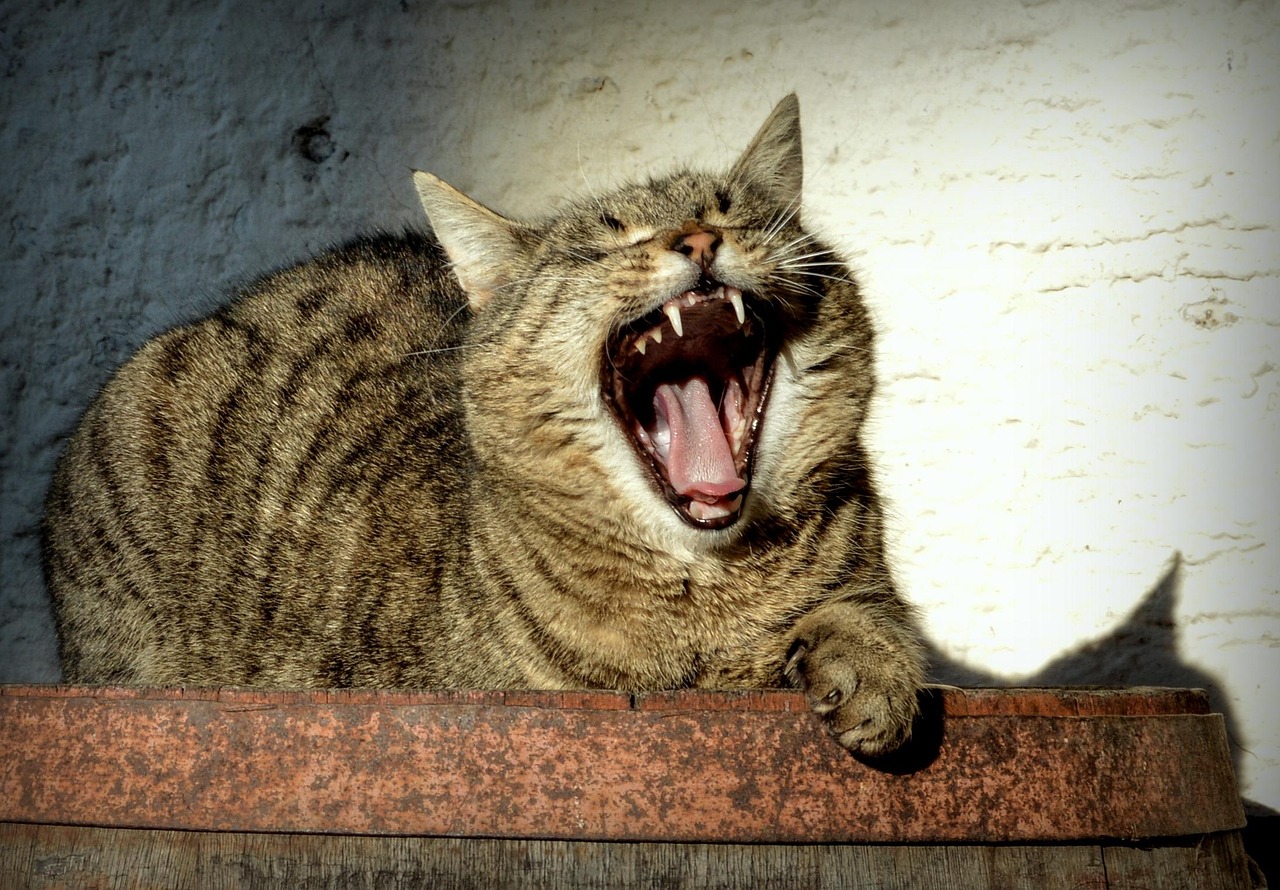
Another indication that your cat is overexerting during exercise is excessive vocalization. Cats typically communicate their discomfort or exhaustion through meowing or yowling. This audio cue can indicate that they are not enjoying the activity anymore. Pay attention when they vocalize more than usual, as this could mean they need a break. Ignores Toys can also be a red flag. If your cat suddenly loses interest in their favorite toy during play, it might be a sign they’re over fatigued. Pushing them to continue playing can lead to stress or burnout, which is unhealthy. You want to ensure they remain engaged and happy. Another sign is the reluctance to engage in previously enjoyed activities. If your cat seems disinterested or avoids playtime altogether, it’s essential to give them some space. Monitor them for signs of limping or other injuries. Sudden changes in their gait can be symptomatic of over-exercise. Remember, as a responsible pet owner, you should adjust their exercise and playtime according to their activity levels to maintain optimal health for your furry friend.
Behavioral Signs to Observe
It’s not just about vocalization; your cat’s overall behavior can shine a light on how they’re feeling during exercise sessions. For example, aggression or irritability can be a noticeable sign that they’re feeling overwhelmed. If your cat tends to swat or scratch during play, it’s important to take a break immediately. Additionally, if your kitty exhibits excessive grooming or lethargy, these behaviors are hints that they might be overdoing it. Cats need time to rest and recuperate just like humans do. Another strong indicator is the unwillingness to chase after toys. If your cat barely shows interest in running after something they once loved, consider reducing the intensity of their exercise regimen to see if they perk up. Dehydration is also a serious concern when it comes to active cats. Always provide fresh water during and after play. A lack of hydration can lead to severe health issues. Ensure to check for signs of dehydration such as dry gums or skin elasticity issues. Recognizing these behavioral cues ensures a well-balanced approach to your kitty’s fitness routines, helping them stay happy and healthy.
Another concern that arises during exercise is overheating. Cats can quickly become too hot, especially if they are exercising indoors or on warm days. If your cat is excessively drooling or has a warm body temperature, it might be overheating. You should provide a cool space and water immediately. Also, consider shorter play sessions during hot weather. Beyond visibility, check for their response to stimulation. If your cat seeks a hiding space or isolates itself, it’s likely trying to cool off or indicate that it has had too much stimulation. Observe if your cat tries to scratch or bite while playing, which can also indicate overstimulation and discomfort. After quick bursts of energy, if your pet collapses or seems to tire out quickly, refrain from overly vigorous activity. Their recovery time can reflect whether the exercise is too strenuous. Monitor your cat after workouts, as excessive panting or drooping isn’t typical behavior after play. Weekly assessments of their playtime habits can enhance your understanding of their physical limits. Understanding these signals guarantees your cat stays healthy, active, and, most importantly, happy during exercise sessions.
Importance of Balance in Cat Exercise
Achieving a balance between exercise and rest is crucial for your cat’s overall health and happiness. Cats thrive on routine, so varying exercise intensity is vital to maintaining their enthusiasm for play. If signs of exhaustion occur, remember it’s not a failure; it’s a learning moment for both you and your pet. Setting a regular schedule with rest days incorporates balance into their lives. Make sure each play session is infused with short breaks. During recess intervals, provide mental stimulation through puzzle toys, which gives your cat something to think about while they recover. Additionally, consider their age and physical condition before planning activities. Kittens naturally have more energy than senior cats, while older pets may require gentler forms of activity. Overweight cats especially need gradual introductions to exercise and should not be overexerted at once. Remember that sedentary cats tend to gain weight and may present health risks too. Monitoring their body condition score can maintain their weight in check and help guide exercise frequency. The key is listening to your cat; knowing when they need a break or extra activities reinforces a healthy life balance.
Tracking your cat’s exercise habits can also reveal inequalities in their health. Utilizing pet fitness trackers is an innovative way to monitor their activity levels, tracking metrics such as steps taken and calories burned. This data-driven approach allows you to adjust your furry friend’s routine and share this information with your veterinarian. Overworking your cat not only affects their physical state but can lead to behavioral issues as well, which further complicates your relationship. Keep in mind that even the most playful cats have distinct temperaments and responses to exercises. Adopt engaging methods by switching up toys or environments to keep your trials diverse. If you find a specific toy triggers fatigue or aggression, it might be beneficial to rotate toys frequently. In essence, personalization is crucial to maximizing enjoyment during play. Remember, fostering a positive relationship through play helps both of you enjoy the process. Therefore, be open-minded to your cat’s cues and adapt accordingly. Healthy play should always leave them looking forward to the next round, so avoid turning playtime into an obligation. Balance is the golden rule you should always strive for.
Common Misconceptions About Cat Exercise
One common misconception about cat exercise is that all cats need constant activity to remain healthy. Cats naturally have different energy levels and preferences; thus, exercise needs must be tailored for each cat individually. Contrary to popular belief, not all cats gravitate towards interactive play. Some might prefer leisurely pursuits like bird-watching from a window rather than vigorous play sessions. This understanding of their preferences is crucial in determining how often and importantly, how intensely to engage with your feline. We tend to think older cats don’t need exercise, but gentle movements can be beneficial for such seniors. Short play sessions can help them maintain mobility and stave off obesity. Recognizing their limits enables safe, enjoyable time together. Associating rewards with exercise can also be misunderstood. While treats can motivate, relying solely on this strategy presents challenges. Establishing a strong craving for food should not outweigh the joy they find in play. Hence, variety in games ensures they stay engaged. Setting goals, developing routines, and focusing on quality interactions rather than quantity can ultimately lead to better outcomes in exercise sessions.
In conclusion, recognizing when your cat has exercised enough depends on a combination of physical and behavioral cues. Keeping your feline friend healthy and cheerful is a dual responsibility as their companion. Observing vital signs, including body language and vocalizations, can provide insight into their feelings and well-being. Just remember, exercise can be fun yet should incorporate plenty of rest. Individual energy levels should dictate how you approach play, so staying aware of personal preferences and limits is essential. Regularly evaluate the activities to spot any unexpected signs of exhaustion or disinterest during playtime. Attend to hydration needs, particularly on warmer days or after vigorous sessions, and utilize cooling strategies when necessary. Overall, maintaining a sense of balance amid exercise routines for your cat is imperative. Track behavior patterns and adjust accordingly as they learn and grow. This promotes longevity and happiness in your pet’s life. It is important to make memories through enjoyable sessions rather than transforming playtime into burdens. Be keen about your cat’s rhythms, preferences, and temperament; you’ll nurture a lifelong, healthy bond.