
The Best Outdoor Exercise Warm-Up Routines for Dogs
Regular outdoor exercise for dogs is essential for their physical and mental well-being. Before engaging in any vigorous activity, warm-ups play a crucial role in preventing injuries. Start by engaging in gentle stretches with your dog. These stretches should include flexing their legs, neck, and back. For example, encourage your dog to do a gentle forward lunge, which will not only warm up their muscles but also enhance flexibility. Additionally, it’s vital to include some light jogging or walking around for approximately 10 minutes. This gradual increase in heart rate aids circulation and prepares your pet for a workout. Ensure they are properly hydrated before and during exercise too. Bring along a portable bowl, so your canine friend can sip water intermittently. Consider the weather conditions as well, as it can affect your dog’s endurance. Cooler temperatures are generally more comfortable than extreme heat. Overall, these warm-up routines are indispensable in keeping your dog active and safe during exercise sessions outdoors. Make warm-ups an enjoyable habit for both of you, and see the positive impact on their fitness experience.
Importance of Stretching
Stretching serves as an effective warm-up routine to enhance your dog’s performance during outdoor exercises. Dogs, just like humans, require their muscles to be flexible to avoid strains. Start with stretching exercises suited to their size and age. Simple exercises can include basic leg stretches where they lift their legs one by one. Doing so will increase blood flow to the muscles and help them adapt to more intense activities. Another beneficial technique is the side stretching, which promotes core flexibility. Have your dog reach towards their left side and then right, encouraging those movements gently. Additionally, keep an eye on your dog during stretching, watching for any hesitation as it may signal discomfort. Dogs should enjoy this routine as it should not be forceful or overly strenuous. Engaging them with treats or verbal praises during stretches creates a positive environment. This leads not only to flexibility but improves their bonding with you as well. Taken all together, stretching forms a crucial phase of your dog’s warm-up process and significantly enhances their overall exercise experience outdoors.
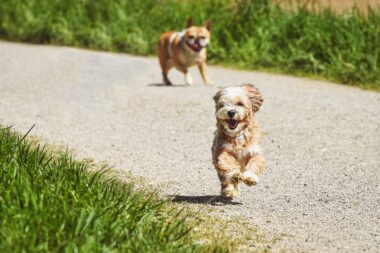
After warming up with stretches, incorporate light activities to further prepare your dog. These activities can involve walking at a gentle pace to assess their readiness. Regularly changing directions while walking keeps your dog mentally stimulated and engaged. This helps further activate their muscles in different ways while making sure they are comfortable. Gradually increase the pace, shifting from walking to trotting lightly. It is key to maintain a focus on your dog’s behavior throughout. Watch for any signs of discomfort or fatigue—they are important indicators of your dog’s ability to continue exercising. If you notice any unusual behavior, consider extending the warm-up period until your pet feels more relaxed. Encouraging interactions like fetching a toy for some short distances can also help maintain their excitement. Activities that stimulate their natural instincts not only promote fitness but strengthen your bond. Make sure to keep the atmosphere playful; this encourages your pet to enjoy the exercise. By taking these steps, you ensure that your dog is not just ready for the fun ahead but also protected from injuries during rigorous outdoor exercises.
Incorporating Play as a Warm-Up
Integrating playtime into your dog’s warm-up routine is both beneficial and fun. Playing games like fetch or tug-of-war can serve as a wonderful pre-exercise warm-up. Not only does this encourage mental stimulation, but it also warms up their muscles in an enjoyable manner. When playing fetch, encourage your dog to sprint for the toy and bring it back, allowing them to exert their energy sustainably. Start slowly, so their bodies can gradually adapt to the movements. Tug-of-war is another great way to activate your dog’s muscles without straining them. While engaging in these activities, be sure to alternate between active and rest periods. This also helps build the excitement they feel for exercising. Remember, the play should not be overly strenuous at this stage. Keep lovely encouragement and positive reinforcement to help them understand this transition between warm-up and the actual exercise. This approach not only warms them up physically but also creates great anticipation for the extensive outdoor adventures yet to come.
Gauge weather conditions before exercising outdoors is vital to your dog’s safety and comfort. Hot weather can cause stress and dehydration in dogs, affecting their ability to perform. Consider exercising during the cooler parts of the day, like the early morning or later evening. Keeping your dog well-hydrated before and after a workout should also become a priority. Always provide fresh drinking water, and encourage breaks when necessary. Additionally, be aware of the outdoor surface where you plan to exercise. Pavement can become too hot and could potentially burn your dog’s paw pads. When the temperature rises, opt for grassy areas or shaded spots for a comfortable experience. During colder months, protect your dog’s paws from ice and salt. Some dogs require protective footwear or paw wax for seasonal weather. Keep all these considerations well in mind, as they ensure enjoyable outdoor activities for both you and your beloved canine. By staying responsive to your dog’s needs and the weather conditions, you can help create lasting memories during your exercises together.
Cool Down Post Workout
The importance of a proper cool-down routine is often underestimated. After an energetic outdoor exercise session, take a moment to help your dog transition back from a high-energy state. Start with gentle stretching and slow walking for about 5-10 minutes. This gradual transition allows the heart rate to return to normal and prevents muscle stiffness. Encourage your dog to walk alongside you, which promotes bonding as you both enjoy a calmer moment after the activity. Use this time to hydrate them again, offering fresh water. Pay attention to your dog’s behavior during the cool-down phase. Signs of fatigue like excessive panting or lagging behind signal the need for a longer cool-down period. Dogs also benefit from having quiet time after exercising, so facilitate a relaxing environment at home. Let them lounge and offer a comfortable spot with their favorite blanket. Continue this practice frequently to foster better recovery after outdoor exercises. By establishing a routine that includes cool-downs, you’re providing your dog with a well-balanced fitness experience, significantly enhancing their health and happiness.
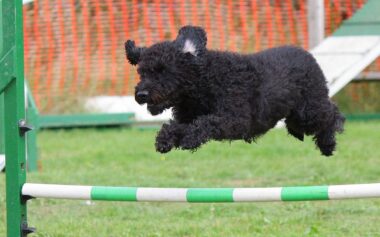
As your dog adapts to warm-up practices, understanding the need for variety can keep them excited and engaged. Different activities introduce new challenges, preventing boredom and repetition. Exploring options such as agility drills, obstacle courses, or even organized dog sports can offer innovative warm-up techniques for exercise. An agility course can be tailored to suit various skill levels, making both you and your dog excited. Seek out local dog training facilities or even create your own fun course at home. Additionally, incorporating props like cones or hurdles can assist in developing coordination during warm-ups. Engaging in different scenarios during warm-ups helps stimulate your dog’s mind, making exercise more interesting. Each new activity can build confidence while enhancing their physical capabilities. Furthermore, always offer them plenty of praise and rewards during these sessions, promoting a positive atmosphere. Doing this is essential for their development and keeps exercise enjoyable. By frequently changing the warm-up routines, you cultivate a more fulfilling and enjoyable experience for your beloved pet, ensuring that outdoor exercise remains a positive adventure for both of you.
Conclusion
In conclusion, prioritizing warm-ups and cooldowns in your dog’s exercise routine cannot be overstated. These practices help prevent injuries while enhancing performance, promoting good health and well-being. Make sure to incorporate stretching, playful activities, and adaptable practices into their warm-up. Understand and respect your dog’s limits, allowing them to adapt at their own pace. Monitoring the weather conditions and your dog’s behavior ensures that you provide a safe and enjoyable experience outdoors. After exercise, remember to follow up with a proper cooldown routine. This not only aids in recovery but deepens your bond as you nurture trust and care. With proper attention to warm-up and recovery, your dog will feel motivated and energized. This will lead to a happier and healthier pet over time. Invest time in making outdoor exercise routines enjoyable, rewarding, and beneficial for them. Together, you can create memorable moments that strengthen the relationship you share. Maintaining a consistent routine while keeping it fun will enhance both you and your dog’s lives, encouraging a joyful active lifestyle for years to come.