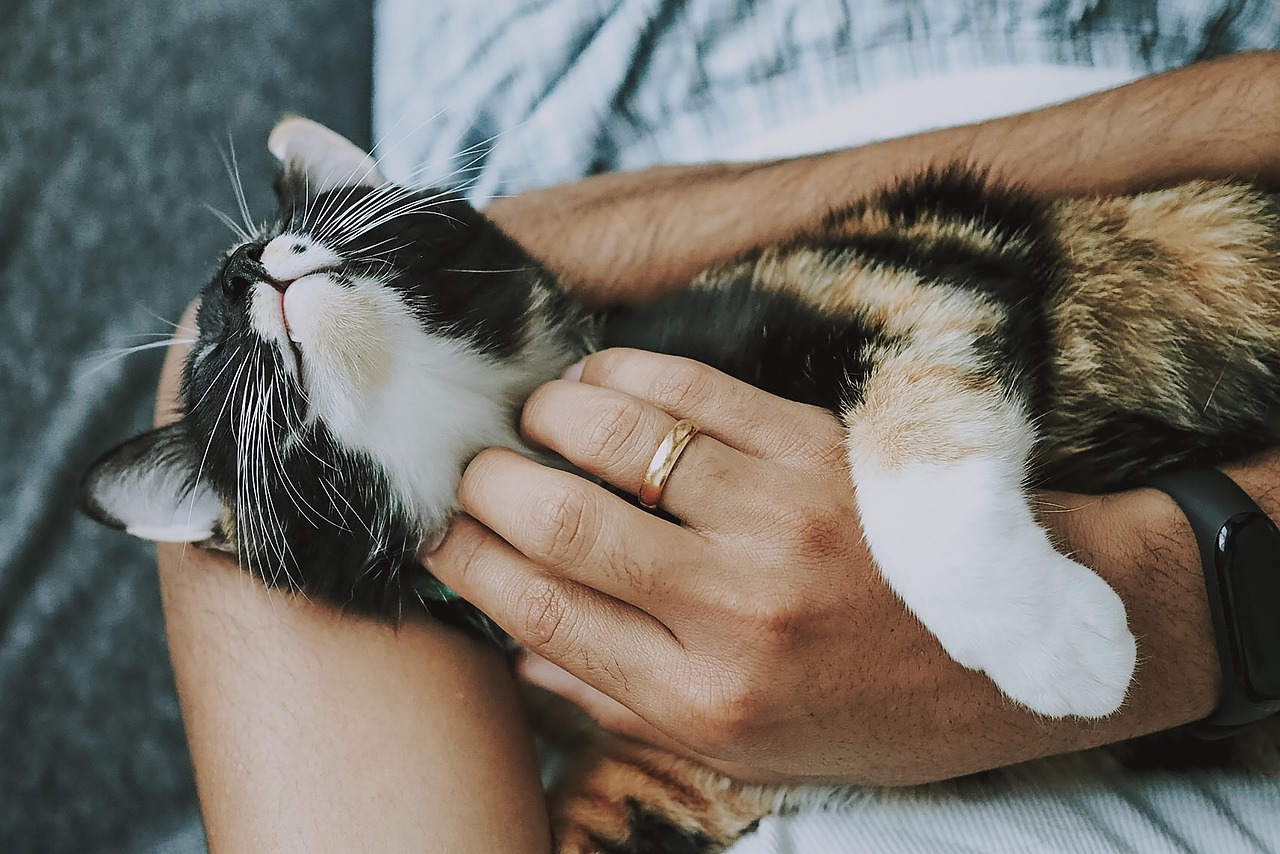

The Role of Community in Successful Cat Rescue: Facts and Myths
In the realm of cat rescue, communities play a pivotal role. Many believe that rescue is solely about isolated efforts, but this is a myth. The reality is that successful cat rescues thrive on collaboration among community members, organizations, and local shelters. When individuals unite, they maximize resources, share knowledge, and create a stronger impact. Cats are often vulnerable, and it takes a village to ensure their safety and welfare. Some community initiatives even involve neighborhood watch systems for abandoned or stray cats. These programs can include volunteers who report sightings and assist with feeding or trapping. Numerous individuals may also offer fostering homes to help these cats find permanent families. This collaboration not only assists in immediate rescues but also educates the community about responsible pet ownership, which is crucial for long-term change. Together, communities can dismantle the stereotypes surrounding rescues, encouraging a proactive approach toward cat welfare.
Addressing common myths about cat rescue is essential for garnering community support. One prevalent myth is that only experts can rescue cats, discouraging involvement from everyday citizens. However, the truth is that anyone with compassion, dedication, and a willingness to learn can make a significant difference in cat rescue efforts. Volunteers do not need formal training to help; rather, they can engage in activities ranging from fostering to education. Local shelters often provide resources, training, and support for community members interested in participating. Another myth is that certain breeds of cats cannot be socialized or are too feral to help. In reality, most cats, regardless of their background, have the potential to adapt and thrive when given the right care and environment. The commitment of a community can transform the lives of these cats, so it’s vital to dispel these myths and encourage participation.
The Importance of Spaying and Neutering
One critical aspect of community involvement in cat rescue is the emphasis on spaying and neutering. A widespread misconception is that these procedures are purely an expense without tangible benefits. However, the truth is that spaying and neutering are integral to controlling the cat population and preventing overpopulation in shelters. Communities that prioritize responsible pet ownership understand that these surgeries significantly reduce the number of unwanted kittens born annually. Additionally, spayed and neutered cats tend to lead healthier lives and exhibit fewer behavioral issues. By educating community members about this, advocates can help transform views on these essential procedures. Programs offering low-cost spay-neuter options can engage more residents, making it easier to commit to cat care. It’s crucial to spread awareness of this topic, as proactive community involvement can lead to a meaningful reduction in the homeless cat population.
Moreover, some myths surrounding the spaying and neutering of cats may deter people from embracing this important practice. For instance, some believe that surgery will change a cat’s personality or make them lazy. However, research proves this notion false; cats retain their personalities post-surgery. In fact, neutering male cats often leads to reduced aggression and territorial behaviors, yielding a calmer pet. Similarly, spaying female cats can prevent issues like heat cycles and potential health problems, contributing to their overall well-being. Education plays an essential role in dispelling these myths and encouraging community members to embrace the practice, leading to healthier feline companions and improved quality of life. As communities work toward improved cat welfare, it becomes apparent that strong community bonds and open-minded conversations promote humane practices.
The Impact of Community on Promoting Adoption
Another vital aspect of cat rescue is promoting adoption through community efforts. Many potential adopters harbor misconceptions about shelter cats, leading them to believe shelters are filled solely with stray or feral animals. However, numerous cats in shelters are friendly, sociable, and ready for loving homes. The role of the community is crucial here, as grassroots initiatives can help showcase shelter cats and connect them with the right adopters. Events such as adoption drives foster a sense of togetherness and allow people to meet cats in need firsthand. Local businesses can play an integral role by hosting these events, offering incentives like discounts for adopters. These collaborations can facilitate a seamless transition for cats from shelters to homes, enriching Boston’s feline population. As more individuals recognize the rewards of adopting, the stigma surrounding shelter cats diminishes, transforming public perception positively.
Community involvement can also pave the way for better educational resources about cat adoption. Some may think that adopting a cat is simply a matter of taking it home, without considering the responsibilities involved. In reality, potential adopters must understand their new pet’s needs, ranging from nutrition to medical care. Outreach programs can educate community members and share insight on responsible pet ownership practices. This education empowers future adopters with knowledge, leading to more successful and lasting adoptions. Additionally, community support can ensure that new cat owners have access to essential resources like food banks or veterinary care grants. As communities come together to promote cat adoption, the nurturing environment fosters mutually beneficial relationships between pets and their new families. Ultimately, these efforts lead to a thriving population of healthy, happy cats.
Conclusion: Building a Collaborative Future
In conclusion, the myths surrounding cat rescue often serve to hinder community engagement and support. By emphasizing the importance of community involvement, durable relationships among citizens, shelters, and organizations could be built, leading to an enriched support system. Communities are essential in supporting positive action for cats. They can collaborate to dispel misinformation regarding adoption, spaying, and euthanasia, fostering educated and compassionate followers. Creating a unified attitude towards cat rescue improves the welfare of felines while enhancing community spirits. Together, it becomes possible to create informed, engaged individuals capable of making a profound difference in the lives of countless cats. Dedication to community education, collaboration, and support plays a crucial role in the larger scope of cat rescue efforts. Together, communities can transform the landscape of cat welfare, promoting healthy, safe, and loving environments for all cats.
Advocates for cat rescue should remain committed to continual education, emphasizing the interdependence of community relationships and successful rescue practices. Building networks among passionate individuals, volunteers, and local organizations ensures a resilient response to the needs of vulnerable cats. Shared experiences, resources, and knowledge create a stronger, more effective foundation for cat rescue. Equip community members with tools, support, and confidence to engage in rescue efforts that reflect compassion and understanding. Overall, the collaborative efforts of communities can revolutionize the world of cat rescue, ultimately leading to a more humane society for our feline friends.