
Adapting Training Techniques for Different Dog Breeds in Photography
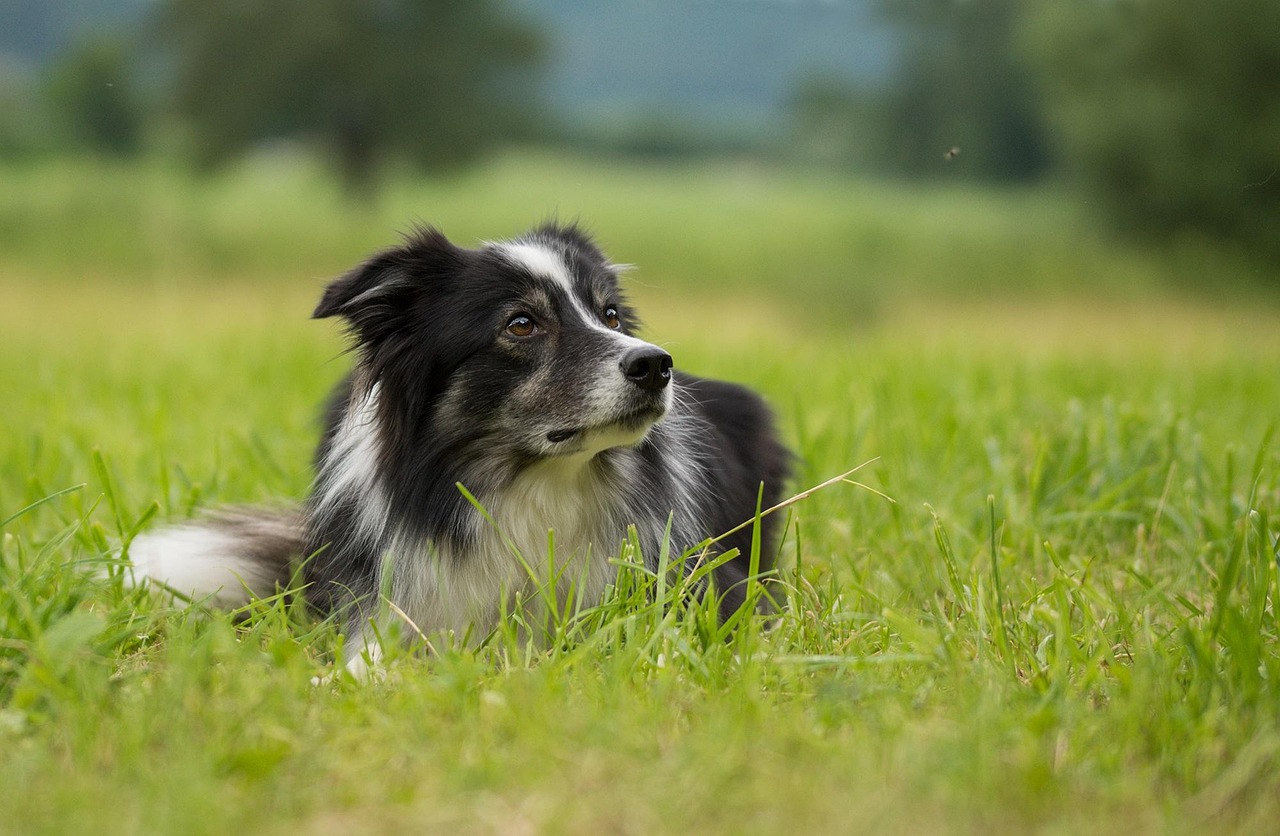
When preparing dogs for photography sessions, understanding breed-specific traits is essential. Each breed possesses unique characteristics that can significantly influence how they respond to training and how they behave in front of a camera. For instance, a highly energetic breed like the Border Collie will require different training methods than a more laid-back breed, such as the Bulldog. Owners should focus on leveraging each breed’s natural tendencies to create a positive experience during the shoot. Reward-based training methods work effectively for dogs of all breeds, helping establish a connection between the photographer and the dog. Additionally, it is crucial to keep in mind that training can be a process. Patience is key, as some breeds may pick up cues faster than others. Recognizing these variances ensures that each dog remains comfortable and at ease, leading to better photographs. For photographers, investing time in understanding a specific breed is worthwhile. Using tailored techniques not only enhances the quality of the photos but also allows for a smoother session overall, ensuring everyone involved enjoys the experience without unnecessary stress.
One of the most common challenges when photographing dogs is getting their attention. Different dog breeds have distinct attention spans and triggers. Breeds that are traditionally categorized as working dogs, like German Shepherds or Golden Retrievers, may respond well to commands and toys that engage their natural instincts. Conversely, breeds known for being more independent, like Shiba Inus, might need more creativity in gaining their focus. Utilizing attractive props, such as squeaky toys or treats, helps capture their attention effectively. Employing different types of sounds can also prove beneficial; using high-pitched whistles may attract attention quickly. Attention spans can wane, especially in younger dogs, so photographers must be adaptable. Creating a vibrant and energetic environment raises the likelihood of capturing those perfect moments. It’s essential to maintain the dog’s interest throughout the session, which may mean constantly shifting strategies. By doing so, a more interactive and rewarding experience can be created not only for the dog but also for the photographer. Thus, ensuring a successful photography session relies heavily on understanding and adapting to individual breed characteristics for optimal results.
Another factor to consider in dog photography is the dog’s comfort level in a new setting. Different breeds have varying degrees of sociability and comfort in unfamiliar environments. For example, breeds that are more reserved, such as the Basset Hound, may take a bit longer to acclimate to the surroundings compared to more outgoing breeds like the Labrador Retriever. Photographers should give dogs a chance to explore their environment before starting the photo session. Allowing time for exploration can help calm nerves and create a more relaxed atmosphere conducive to great photos. Incorporating both familiar toys and scents in the setting can help the dog feel more at ease. Additionally, it’s vital to monitor body language; a dog’s stress signals can indicate when they might need a break. Ensuring the comfort of the dog should be a priority during the shoot, as stressed dogs will not present well in photos. By creating a calm and inviting atmosphere tailored to each breed’s personality, photographers can achieve stunning and authentic images that reflect the spirit of their subject while ensuring an enjoyable experience.
Training Techniques for Specific Breeds
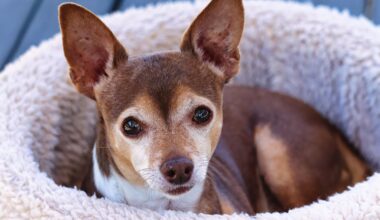
Implementing breed-specific training techniques plays a crucial role in the success of dog photography sessions. For instance, smaller breeds, like Chihuahuas, may require a gentler approach due to their sensitive nature. Employing low-pressure commands and gradually introducing them to the camera will improve their experience. On the other hand, breeds that thrive on high energy, such as terriers, can benefit from play-driven interactions that utilize their zest for activity. Engaging them with stick throws or jump cues can generate playful behavior that results in fun, action-oriented photos. For larger breeds, like Great Danes, patience is vital. Some may be less aware of their size and might feel awkward or shy in various environments. Training sessions focusing on basic commands like sit and stay can help these large dogs feel secure and in control. Furthermore, adapting the shooting angle can make a big difference; photographing larger breeds from a lower point enhances their stature and elegance. Taking these tailored approaches into consideration ensures photographers capture not only aesthetically pleasing shots but also express the personality and charm of each breed effectively.
Moreover, using positive reinforcement consistently throughout training helps create an enjoyable experience for the dog during photo sessions. Dogs respond best to praise and treats, so it’s beneficial to reward them whenever they follow commands or exhibit desired behaviors. This creates a positive association with the camera and surroundings. Different breeds might need varying amounts of reinforcement; for example, retrievers may quickly pick up cues, needing less ongoing motivation compared to more stubborn or cautious breeds like Bulldogs. Keeping the energy high and fun throughout the session encourages more spontaneous moments that capture the dog’s true essence. Additionally, incorporating breaks is vital for maintaining the dog’s focus and enthusiasm. Frequent short breaks prevent fatigue and allow the dog to refresh and regain their attention span. Photographers should take this opportunity to engage with more playful interactions. By making photography sessions a fun game rather than a chore, photographers are more likely to achieve candid and authentic images that reflect the dog’s personality. A positive experience establishes a routine the dog associates with satisfying results, fostering cooperation in future sessions.
Investing in proper equipment is equally important when capturing dogs of various breeds. Different breeds come with unique characteristics, often dictating special needs regarding camera settings and gear options. For example, larger breeds may require wider shots to capture their entirety without distortion. Meanwhile, small breeds may benefit from using macro lenses for close-ups that highlight their features. Lighting is also an essential aspect to consider. Natural light generally presents the best conditions for photography, particularly during golden hour, which brings out the best in all breeds, helping to eliminate harsh shadows. Additionally, using props designed to complement each breed’s aesthetics can enhance the overall composition. Understanding how to manipulate the environment will contribute significantly to the photo’s outcome. Different sessions may require additional equipment such as lenses, reflectors, or even specialized backdrops. As photographers adapt their technical skills for each breed, they’re more likely to create a diverse portfolio showcasing various styles. Finally, always ensuring quick accessibility to gear allows for capturing spontaneous moments that best depict the dog’s character and charms.
Building a Rapport with the Dog
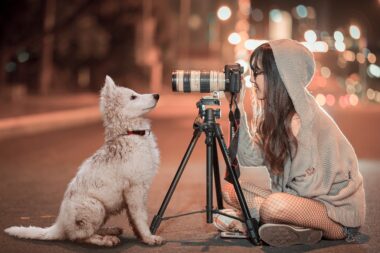
Building rapport with each dog before capturing their photographs is vital for successful sessions. Establishing trust between the photographer and the dog ensures a relaxed atmosphere where the dog feels secure. Some breeds may take more time to develop that rapport than others, while more social breeds may warm up quickly. Taking the time to sit down and interact physically with the dog fosters understanding. Petting, playing, or offering treats are effective methods for building a connection. As the dog becomes familiar with the photographer’s presence, their confidence naturally grows, making for better images. Additionally, speaking softly and using calming tones can help ease the dog’s nerves and foster a positive reinforcement cycle. The more relaxed and comfortable a dog is, the more natural their expressions will be during shooting. This awareness also extends to recognizing when a dog may require a break or feels overwhelmed. Respecting their boundaries is crucial. When a photographer strives for connection and comfort, the end result is a heartfelt compilation of images that perfectly capture the individuality of each dog and showcases their beauty.
In conclusion, adapting training techniques for different dog breeds during photography sessions is essential for achieving stunning images. Understanding individual breed needs allows photographers to customize their approach, ensuring that the dog feels comfortable and at ease during the shoot. Each breed presents unique challenges and opportunities that can be addressed with patience, creativity, and breed-specific techniques. Encouraging play, utilizing effective rewards, and fostering a sense of connection builds a positive experience in photography. Equipment choices and environmental factors can also be tailored to meet breed-specific requirements, helping capture the best angles and expressions. Establishing rapport is fundamental in creating a stress-free environment, resulting in more genuine and expressive photographs. By dedicating time to learn about different breeds and applying knowledge to training techniques, photographers will not only enhance their craft but also create memorable moments. Ultimately, the heart of dog photography lies in capturing the essence of each breed while providing a rewarding experience for both the pet and the photographer. A well-planned session that prioritizes the dog’s comfort and enjoyment promises delightful results in showcasing their true spirit in every shot.