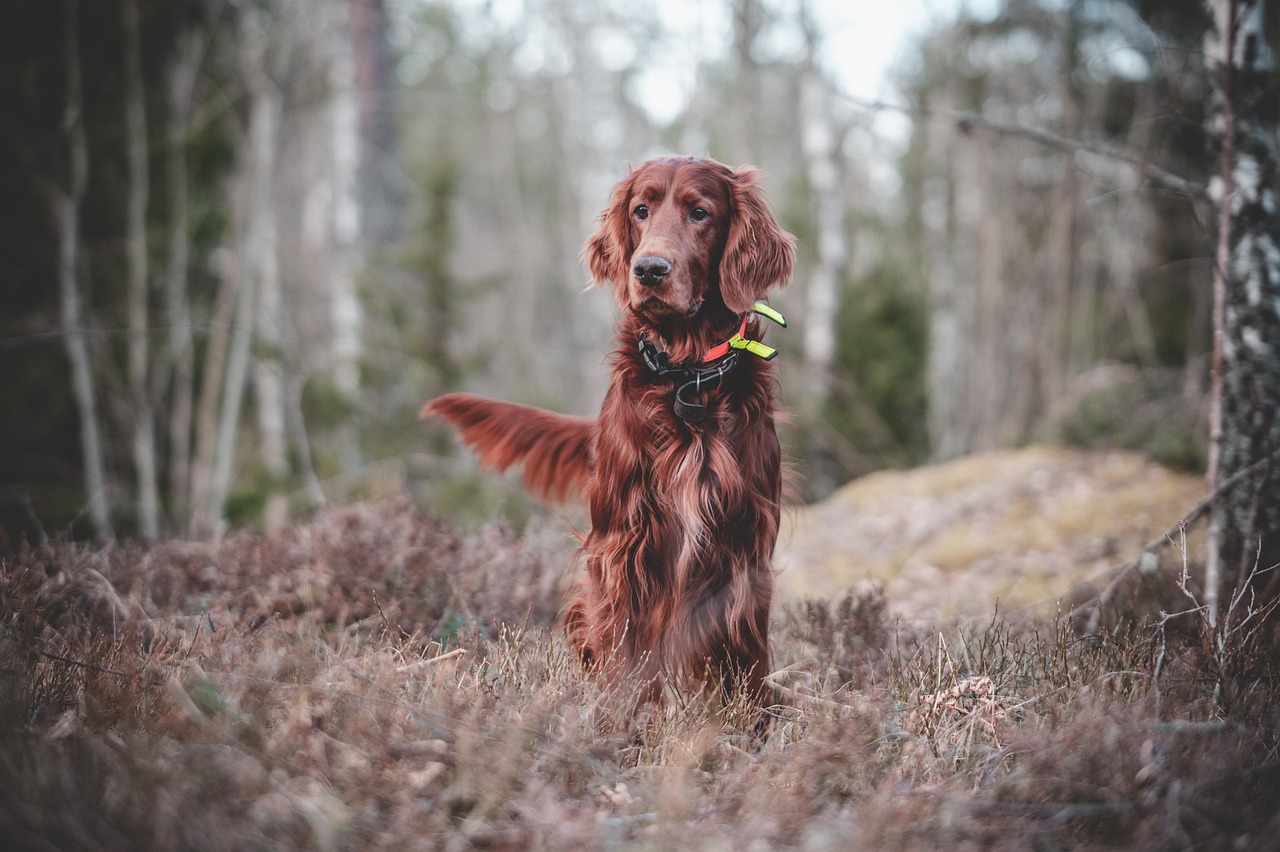

Building Stamina and Endurance for Dog Show Competitions
Dog shows require not just training in handling and grooming but an emphasis on stamina and endurance for dogs. Building physical strength is critical to present a dog that appeals to judges in competitions. One effective way to enhance stamina is through regular exercise. Activities such as brisk walking, jogging, and playing fetch can help in developing a dog’s stamina. For aspiring show dogs, a more structured exercise routine is essential. Gradually increase the duration of the walks, ensuring it aligns with the dog’s current fitness level. In addition, mental stimulation should not be overlooked. Engaging your dog in basic commands reinforces their physical conditioning while allowing it to bond with you. Regular training coupled with quality time spent together ensures lasting results. Moreover, consult your veterinarian or a certified dog trainer to determine the best fitness routine specific to each dog’s unique needs. Keeping track of your dog’s health and energy levels through a proper diet can maximize performance in the show ring, contributing to successful show days and overall well-being. Stay consistent for the best results.
Hydration is another crucial factor in preparing for dog shows. Just as stamina and endurance are essential, keeping your dog well-hydrated directly impacts its energy levels. Ensure that your dog has access to fresh, clean water before, during, and after exercise. Frequent breaks should occur, especially during outdoor sessions or warmer weather. A practical approach could involve including hydration breaks in your training schedule. Prioritize your dog’s hydration by offering water every 30 minutes during longer exercise sessions. Additionally, consider providing ice cubes as a delightful reward after training. This keeps them cool and is a fun way to hydrate them, especially in warm environments. It is necessary to understand how weather conditions influence a dog’s hydration needs. Always check if your dog is drinking adequately, as signs of dehydration can include lethargy and dry mouth. Ensuring your dog is well-hydrated will aid in sustaining their energy and focus during training and shows alike. If you’re unsure about your dog’s hydration requirements, consult your vet for personalized advice tailored specifically to your dog, particularly during rigorous training periods.
Nutrition for Optimal Performance
Proper nutrition plays a critical role in your dog’s stamina and endurance levels. A balanced diet rich in carbohydrates, proteins, and fats fuels your dog for training and show competitions. Consider high-quality dog food that lists whole meats as the primary ingredient. Alongside commercial food, you may want to incorporate whole foods such as sweet potatoes, carrots, or green beans for additional energy. Foods containing omega-3 fatty acids promote joint and skin health, vital for show dogs. Regular meal timings also contribute to a steadier energy release throughout the day. Monitor the amount you feed your dog, ensuring it corresponds to their activity levels. Adjustments may be necessary if training intensity varies. Keep in mind that every dog is different, so what works for one may not work for another. Regular consultations with your veterinarian can help in selecting an appropriate diet tailored to your dog’s individual needs. Simply put, if your dog consumes the right nutrients, training is more productive, leading to greater performance in the show ring. A robust nutritional plan that aligns with a training regimen serves as the foundation for showing success.
Another vital aspect of training stamina involves incorporating variety in exercises to keep your dog engaged. Dogs thrive on playfulness and enthusiasm; thus, mixing in fun activities can enhance their overall training experience. Consider activities such as agility training, where dogs climb, weave through obstacles, and jump through hoops. This not only builds physical stamina but also motivates dogs to remain durable during rigorous competition. You can also introduce swimming, which is an excellent low-impact workout, offering a chance to build endurance without straining the joints. Always ensure that safety measures are in place during these sessions, especially if your dog is not accustomed to water. Alongside structured activities, providing playtime allows your dog to exercise naturally while enjoying its surroundings, such as running freely in a safe, enclosed area. Ultimately, combining structured and free-play sessions fosters a healthy balance, maintaining your dog’s motivation and happiness during training. Use breaks to reinforce the bond between you and your show dog through positive reinforcement, praise, and treats, keeping the atmosphere upbeat and productive.
Creating a Training Schedule
Establishing a consistent training schedule is essential for building stamina and endurance in dogs aspiring to compete in shows. A balanced training plan should encompass various physical activities spread throughout the week. For instance, designate at least three days for rigorous exercises and allow rest days for recovery. Stamina protects dogs against fatigue during competitions; thus, intensity should be increased gradually. Initiate the week with moderate activities and amplify them over subsequent days, incorporating agility courses, endurance runs, and even obedience practices. Tactical rest days ensure that your dog can recuperate, preventing exhaustion and reducing injury risk. By systematically documenting progress and adjusting the schedule based on your dog’s energy levels, recognizing their limits becomes easier. It’s also beneficial to involve a professional dog trainer to provide insights into optimum training techniques catering to specific dog breeds. Additionally, sprinkle in fun activities such as socialization with other dogs, as it maintains motivation and joy throughout the training process. Overall, a well-planned training schedule directly influences a dog’s performance in shows, optimizing their stamina and ensuring they showcase their best selves.
Rest and recovery are as vital as training for maintaining stamina and endurance in dogs. Overtraining can lead to injuries and fatigue, potentially impeding performance. Prioritizing recovery involves offering sufficient downtime between training sessions, allowing your dog’s muscles to heal and rebuild. A good rule of thumb is to remain vigilant on recognizing when your dog may be fatigued. Signs include panting, lagging behind, or reluctance to perform commands. Should such signs arise, provide ample time for rest and recuperation to support stamina development. Incorporating gentle stretching can also benefit post-training recovery, enhancing flexibility and reducing potential injuries. Furthermore, consider spa-like experiences such as massages, which can ease your dog’s muscles while forging a stronger bond. Making recovery time enjoyable allows your dog to associate it positively, ensuring they remain excited about future training sessions. Finally, never underestimate the role of mental relaxation. Quiet moments at home, involving soothing music or cuddles, can significantly lower your dog’s stress level. A well-conducted recovery routine ensures ongoing health benefits while preparing your dog for various competitions.
Conclusion
Successfully building stamina and endurance for dog show competitions requires deliberate planning, a balanced diet, consistent hydration, varied exercise, structured training schedules, and adequate recovery. It’s crucial for handlers and owners to learn and adapt their methods, always considering their dog’s physical and mental well-being. Consulting professionals can offer vital insights and assistance, enhancing training effectiveness while preventing potential pitfalls. Involving your dog in diverse activities keeps them engaged and motivated throughout their training experience. While training dogs can be rewarding, emphasizing the importance of creating fun, positive experiences shapes their interaction with you and performance in competitions. Each dog’s unique traits and requirements should guide training processes, ensuring an optimal training environment tailored for their success. Remember, persistence pays off, and understanding your dog during this journey will forge an unbreakable bond between you. Subsequently, your dog’s performance in the ring will reflect the hard work invested in building stamina and endurance. Happy training, and may you and your dog enjoy many successful show days together!
Ultimately, the journey leading to dog show competitions is as significant as the outcomes themselves. Through diligently working on stamina and endurance along with positive associations to training, both you and your dog will find joy throughout this process. Committing to the training regime not only improves show readiness but fosters a deeper relationship with your furry companion. Dogs are intuitive beings that thrive when taken care of physically and mentally. Valuing this bond through training stands central to creating well-rounded and balanced show dogs. With careful planning and mindful execution of training protocols, you can expect your dog to shine while showcasing its skills. Each session brings forth improvements and highlights the mutual learning curve in your companionship. Whether in the training ring or the show arena, the confidence shared between you and your dog will manifest their best attributes. Taking the time to honor each moment spent together enhances not just performance but the overall experience. So continue to build that stamina while cherishing the shared exploits with your dog. A bright future awaits in dog shows filled with tireless training and joyful experiences.