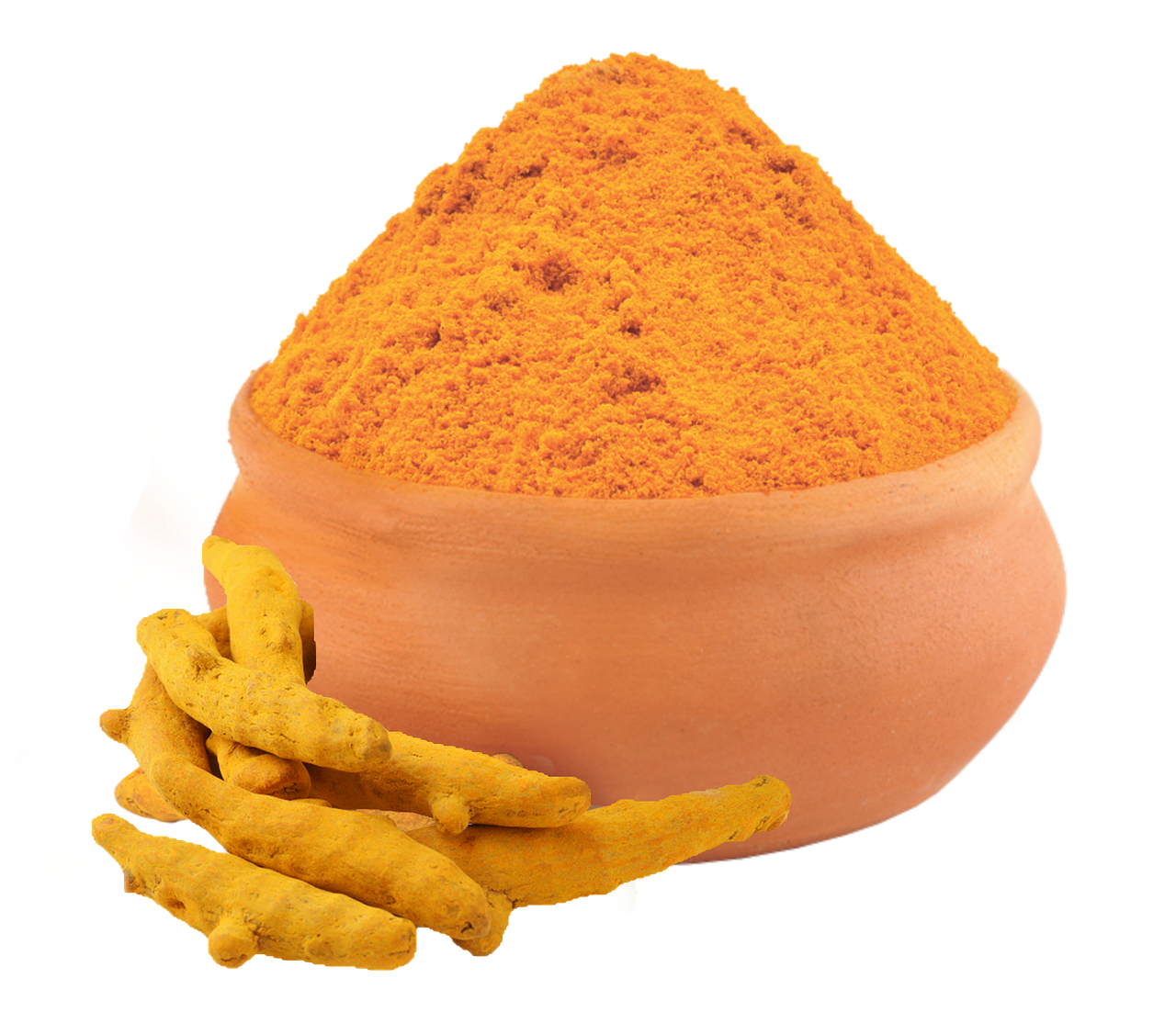

Curcumin: A Powerful Anti-inflammatory Supplement for Canine Health
Canine health is a top priority for many dog owners, and finding effective nutritional supplements can be challenging. The increasing interest in natural remedies has brought curcumin to the forefront as a potential anti-inflammatory solution. Curcumin is a compound derived from turmeric, a spice known for its vibrant color and numerous health benefits. Many studies suggest curcumin can help reduce inflammation in dogs, which is crucial for those suffering from chronic pain or conditions such as arthritis. Incorporating this supplement into a dog’s diet may relieve them from discomfort. Moreover, curcumin is safe for canine consumption when given in appropriate dosages. However, it’s essential to consult a veterinarian before introducing any new supplement into a dog’s regimen. This ensures that it complements their unique dietary needs and health status. Besides reducing inflammation, curcumin exhibits antioxidant properties that can promote overall wellness in pets. Maintaining healthy joints and mobility is vital for a dog’s quality of life. Therefore, curcumin may provide a holistic approach to managing canine health issues while enhancing their vitality and longevity.
Understanding the Mechanism of Curcumin
Understanding how curcumin functions as an anti-inflammatory agent is essential to grasp its benefits for dogs. Curcumin works primarily by modulating various molecular pathways involved in the inflammatory response. Specifically, it inhibits pro-inflammatory cytokines and enzymes, such as cyclooxygenase and lipoxygenase, which play a role in the inflammatory processes. By blocking these pathways, curcumin effectively reduces the inflammatory response within the body. This is particularly beneficial for dogs suffering from conditions like osteoarthritis, where joint inflammation is a significant issue. Additionally, curcumin can enhance the body’s production of natural antioxidants, further aiding in reducing oxidative stress. Consequently, this means that beyond inflammation reduction, curcumin offers a dual benefit as an antioxidant, promoting overall health. Research also suggests that it has neuroprotective effects that may help improve brain health in aging canines. Furthermore, curcumin’s bioavailability can be optimized when paired with black pepper extract, which enhances its absorption in the body. Thus, understanding curcumin’s mechanisms and effective combinations can help dog owners make informed decisions about supplementing their pets’ diets.
One of the most compelling reasons pet owners opt for curcumin supplements is the range of health conditions it addresses. Chronic inflammation can lead to several serious health issues in dogs, including heart disease, diabetes, and certain cancers. By integrating curcumin into a dog’s nutrition plan, owners can proactively manage these risks. It helps alleviate pain associated with inflammatory conditions, thus improving a pet’s quality of life and mobility. Moreover, curcumin’s positive effects on the immune system can aid dogs prone to allergies or autoimmune disorders. It helps balance the immune response, potentially reducing allergic reactions. Curcumin may also support healthy skin and coat, helping alleviate skin irritations that many pets experience. With its multi-faceted benefits, curcumin is more than just an anti-inflammatory; it offers a comprehensive approach to maintaining canine health. When considering curcumin supplementation for dogs, it’s crucial to source high-quality products from reputable manufacturers that prioritize efficacy and purity. Finding the right formulation tailored for pets ensures they receive the maximum benefits without unnecessary additives. Exploring formulations labeled for canine use guarantees safety and effectiveness.
How to Introduce Curcumin into Your Dog’s Diet
Incorporating curcumin into a dog’s diet requires careful planning and consideration. Dog owners must monitor their pet’s dietary intake, ensuring a gradual introduction to mitigate any adverse effects. Start with a low dose, observing any changes in the dog’s response over several days. Once acclimated, gradually increase the dosage following the recommendations based on the dog’s weight and health status. It’s advisable to utilize products specifically formulated for dogs, as these consider their unique digestive systems compared to humans. Additionally, curcumin can be combined with healthy fats, as it is fat-soluble, enhancing absorption. Some dog treats and foods are infused with curcumin, making it easier for owners to offer as a daily supplement. Moreover, while introducing curcumin, it’s wise to keep track of any improvements or side effects noted in the pet’s behavior or health. Regular veterinary check-ups are crucial throughout this process. Pet owners should remain educated about curcumin, its benefits, and recommended practices. This knowledge will empower them to make informed decisions regarding their furry friends’ health and wellness, ensuring longevity and a happy life.
As with any dietary supplement, safety and quality are paramount when choosing a curcumin product for dogs. Not all curcumin sources are created equal, and varying purity levels may affect efficacy and safety. Pet owners should prioritize purchasing curcumin supplements designed specifically for dogs, which have undergone rigorous testing for quality. Ingredients should be clearly listed, and the product should contain no artificial fillers, flavors, or additives that could harm pets. Consulting with a veterinarian can provide further guidance on the best brands and products available. It’s also beneficial to seek out brands that provide transparent information on sourcing and production methods. Besides quality, it’s essential to monitor for any allergic reactions when introducing new supplements. While curcumin is generally safe, some dogs may have sensitivities. Therefore, any signs of gastrointestinal issues or allergic reactions should prompt immediate consultation with a vet. Educating oneself about potential side effects also prepares dog owners to manage their pets’ health better. Quality control and vigilance are key to ensuring a positive experience with curcumin supplementation.
Potential Benefits Beyond Inflammation
While curcumin is widely recognized for its anti-inflammatory properties, its potential health benefits for dogs extend far beyond managing inflammation. Curcumin can positively influence cognitive function in aging dogs, potentially delaying the onset of cognitive decline. Research indicates that curcumin’s antioxidant properties may protect brain cells, promoting better memory and cognitive abilities. Additionally, curcumin may support liver health in dogs by enhancing detoxification processes. The liver plays a critical role in metabolizing substances and preventing the buildup of toxins in the body. Supporting liver function through curcumin ensures that essential processes operate smoothly. Moreover, curcumin has shown potential anti-cancer effects in various studies, providing hope for dogs diagnosed with certain types of tumors. This is attributed to its ability to inhibit tumor growth and spread. Another consideration is curcumin’s possible effect on gastrointestinal health. Many dog owners report improved digestive health with curcumin supplementation, resulting in better nutrient absorption and reduced gastrointestinal discomfort. Employing curcumin as part of a comprehensive health plan can afford dogs a myriad of benefits.
Lastly, when evaluating the efficacy of curcumin as an anti-inflammatory supplement for dogs, ongoing research continues to enhance our understanding. Veterinary studies examining various doses and formulations contribute valuable insights into how curcumin can improve canine health. Innovations in curcumin delivery methods aim to maximize absorption, ensuring dogs receive the most benefit. Furthermore, the synergistic effects of curcumin combined with other natural supplements may yield enhanced results. Ingredients such as omega-3 fatty acids, glucosamine, and chondroitin are frequently paired with curcumin to provide a holistic approach to joint and overall health. It’s essential for pet owners to stay informed on emerging research to enhance their knowledge base. Community and online resources also provide platforms for sharing experiences and tips for successful curcumin supplementation. As more dog owners explore the advantages of natural solutions, curcumin’s popularity may increase, leading to further research. Ultimately, prioritizing canine health through natural supplements like curcumin is a proactive approach to ensure a happy and healthy life for dogs.
In conclusion, curcumin has emerged as a powerful supplement, making strides in canine health management. By addressing inflammation, oxidative stress, cognitive decline and more, it represents a proactive step toward enhancing the quality of life for dogs. It is crucial to adapt curcumin supplementation to individual dietary needs while encouraging regular veterinary consultations. In an age where pet owners increasingly seek natural alternatives for their dogs, curcumin stands out for its versatility and health benefits. As we continue to learn more about the potential applications of curcumin in veterinary medicine, it can become an invaluable tool in maintaining canine well-being.