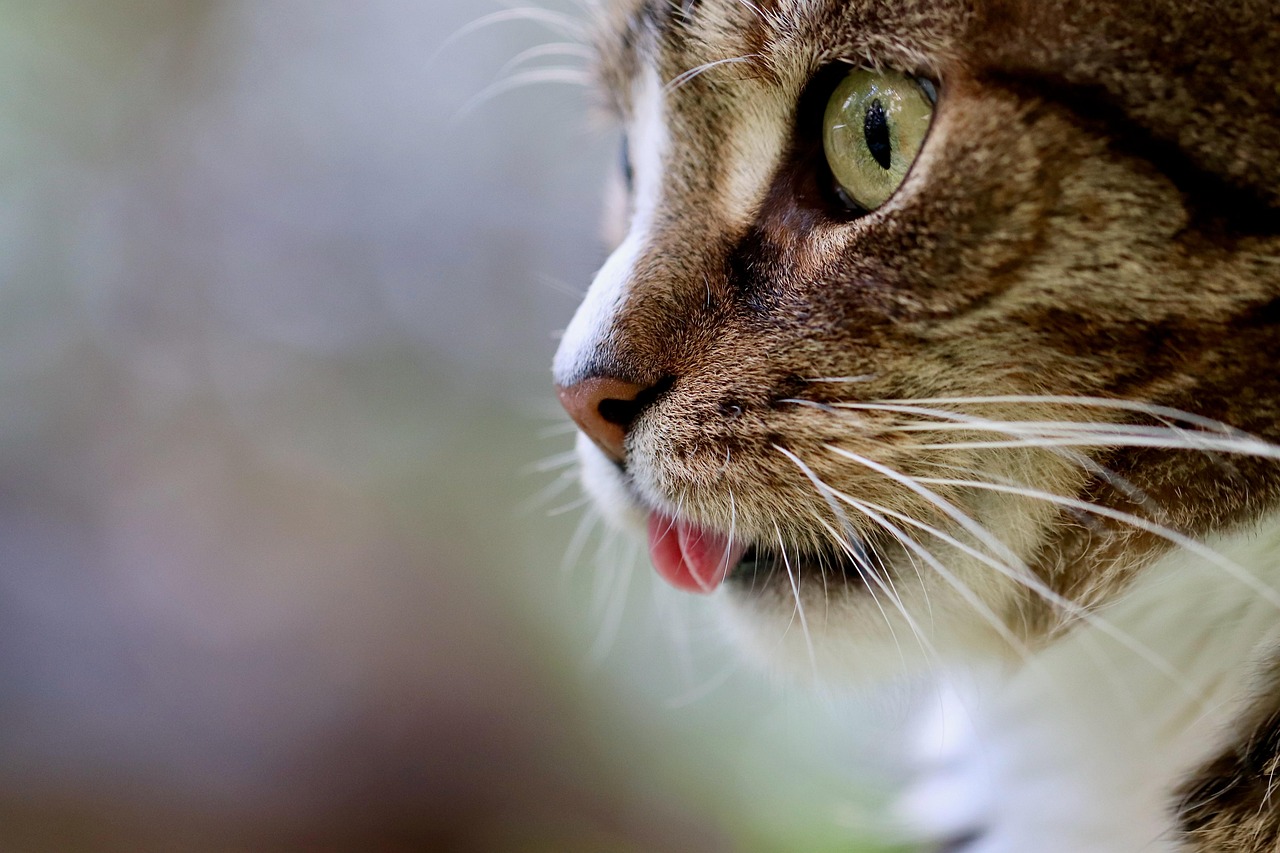

Essential Minerals for Cats: What Your Feline Needs
Providing the right balance of minerals and trace elements is fundamental to your cat’s overall health. Cats require a blend of essential minerals to ensure healthy bodily functions, including skeletal health, nerve transmission, and hormonal balance. The primary minerals that cats depend on include calcium, phosphorus, potassium, sodium, and magnesium. Calcium plays a crucial role in building strong bones and teeth, while phosphorus assists in energy utilization and bone health. Sodium helps maintain proper fluid balance and nerve function. It’s critical to ensure these minerals are provided in an appropriate ratio to avoid health issues such as kidney stones or urinary complications. Such conditions arise from imbalances rather than deficiencies. The key is offering high-quality commercial cat food that meets AAFCO standards and includes all necessary nutrients in correct proportions. It’s vital also to consider factors like age, activity level, and any underlying health conditions when assessing your cat’s dietary needs. Regular vet check-ups can help determine if your cat is receiving adequate minerals through its diet, enhancing overall wellness and potentially prolonging their lifespan. This balance ultimately contributes to your feline’s vitality and longevity.
Understanding the Role of Calcium and Phosphorus
Among the essential minerals, calcium and phosphorus are perhaps the most pivotal. These minerals work synergistically in your cat’s body to support strong bones and teeth, a necessity during growth phases and later in life. Cats require these minerals in specific ratios, generally around 1.2 parts calcium to 1 part phosphorus. An imbalance can lead to serious health concerns such as brittle bones, osteomalacia, or other skeletal issues. Calcium helps in muscle contractions, nerve signaling, and blood clotting functions. On the other hand, phosphorus is vital for energy metabolism, DNA, and RNA synthesis. Ensuring that your feline’s diet includes high-quality sources of these minerals is essential. Many commercial cat foods are formulated with optimal calcium and phosphorus levels. Ensure to choose brands with certification of nutritional adequacy and that meet regulatory guidelines. Supplementation should only occur under veterinary advice to avoid toxicity. Additionally, monitor your pet’s growth and body condition as they age. A proactive approach ensures they thrive, especially considering the potential for mineral deficiencies in home-prepared diets.
Another important mineral that often goes overlooked is magnesium. This mineral plays numerous roles in your cat’s health, primarily concerning muscle function, energy production, and regulating blood pressure levels. Magnesium is involved in over 300 biochemical reactions. While most commercial cat foods generally have sufficient magnesium concentrations, certain diets can lead to deficiencies. Insufficient magnesium can manifest with symptoms like muscle twitching or lethargy. It’s crucial to balance magnesium intake, as too much can contribute to urinary tract issues, including struvite crystals. This is why quality cat food formulated for their life stage—kits, adults, or seniors—is essential. When selecting cat food, always check the mineral composition on the label. Furthermore, consider how your cat responds to their food; unusual changes in behavior may warrant a consultation with your vet for dietary adjustments. Remember that curiosity is common among cats, leading them to explore and sometimes ingest harmful substances. It’s equally important to keep your cat’s environment safe, ensuring they avoid ingestion of toxic plants or human food not safe for cats, which may disrupt their mineral balance.
The Importance of Trace Elements
While major minerals are critical, trace elements like zinc, copper, iron, selenium, and manganese are similarly vital, albeit required in much smaller amounts. These trace elements contribute to numerous functions, including immune function, antioxidant protection, and overall metabolic processes in cats. Zinc, for example, is necessary for skin health, wound healing, and immune system strength. An inadequate zinc intake can lead to dermatitis and increased vulnerability to infections. Copper is important for forming red blood cells and maintaining healthy bone structure. Iron is critical for transporting oxygen in the blood and preventing anemia. Likewise, selenium serves as an antioxidant, protecting cells from damage. An unbalanced diet may lead to deficiencies or excesses that adversely affect health. Commercial cat foods formulated to meet AAFCO nutritional standards typically contain the right levels of these trace elements, reducing the risk of dietary imbalances. Always opt for high-quality brands. Supplementation on your own is generally discouraged unless recommended by a veterinarian, as excess levels can be toxic. Regular vet visits help identify any nutritional deficiencies, and preventative measures will improve your cat’s overall quality of life.
Hydration is also an essential aspect of your cat’s mineral intake. Ensuring your cat is well-hydrated aids in the proper utilization and absorption of minerals. Cats, being obligate carnivores, often receive moisture from their food; however, if they consume dry kibble exclusively, they may not be drinking enough water. Incorporating wet food into their diet can help with hydration levels and mineral utilization. Moreover, fresh water should always be available. Consider providing multiple water bowls throughout the house to encourage drinking, and try to change the water daily to keep it fresh. Cats can also be attracted to running water sources, like cat water fountains, which promote increased fluid intake. If your cat significantly reduces water consumption, it could lead to urinary issues, including infections, stones, or crystals, predominantly formed due to mineral concentration. Keeping an eye on their litter box habits can reveal hydration levels. Ultimately, ensuring your cat stays hydrated will help them absorb essential minerals better, contributing to better health outcomes and improved well-being in their everyday life.
Identifying Mineral Deficiencies
Recognizing and addressing mineral deficiencies is crucial for the long-term health of your feline companion. Common signs can manifest in various ways, including changes in coat condition, lethargy, and behavioral changes. A dull coat could indicate deficiencies in essential minerals such as zinc or copper, while lethargy might connect to several issues, including anemia linked to iron deficiency. Always monitor your cat’s behavior and health to identify any potential deficiencies early on. Frequent veterinary check-ups can catch these issues before they escalate into more significant health problems. Blood tests can reveal imbalances and help determine the best course of action. Moreover, inappropriate diets—whether homemade or overly restrictive—can cause deficiencies, especially if they lack commercial formulas that meet nutritional needs. If you notice your cat exhibiting unusual behaviors or symptoms, immediately consult a veterinarian. Early intervention is critical in preventing chronic issues arising from prolonged deficiencies. Additionally, always educate yourself on proper feline nutrition to better support your furry friend’s health. You may also consider nutritional consultations to tailor your cat’s diet to their specific needs, especially in senior or ill cats.
In conclusion, understanding and providing the essential minerals and trace elements necessary for your cat’s health is vital for their overall well-being. A balanced diet that includes all required nutrients not only ensures optimal physical condition but also supports their longevity. Always choose high-quality commercial cat food that meets or exceeds nutritional guidelines to provide for your cat’s mineral requirements adequately. While most well-formulated foods are sufficient, always be aware of any changes in your cat’s health and behavior. Regular vet check-ups will help ensure that they maintain adequate nutritional status over time. Additionally, knowledge about your cat’s age, health status, and individual needs will allow you to make informed dietary choices. Moreover, providing a safe environment and maintaining crucial hydration levels will enhance the overall efficacy of their diet. Staying proactive in feline nutrition will significantly improve your cat’s quality of life, preventing health issues related to mineral deficiencies or excesses. Ultimately, working with your veterinarian to customize your cat’s diet as necessary can help them lead a happy and healthy life well into their elder years.