
Grooming Tools Every Cat Parent Should Have
As a cat parent, ensuring your feline friend remains healthy and happy means incorporating grooming into your routine. Grooming not only keeps their coat shiny but also helps reduce shedding and hairballs. One essential tool is a good quality brush. Brushes come in various types, such as slicker brushes for removing loose fur and bristle brushes for smoothing. Additionally, find a brush that fits comfortably in your hand. Having clippers on hand is also important. Regular nail trimming prevents discomfort and health issues. Look for clippers designed for cat claws; this will provide a safe experience for both you and your cat. Another must-have is a good shampoo. Cats may not need frequent baths, but having cat-safe shampoo is essential for any occasional cleaning. Finally, consider a comb or specialized grooming glove. These tools assist with detangling and removing trapped dirt while providing your cat a soothing experience. In conclusion, investing in the right grooming tools is crucial to maintaining your cat’s well-being.
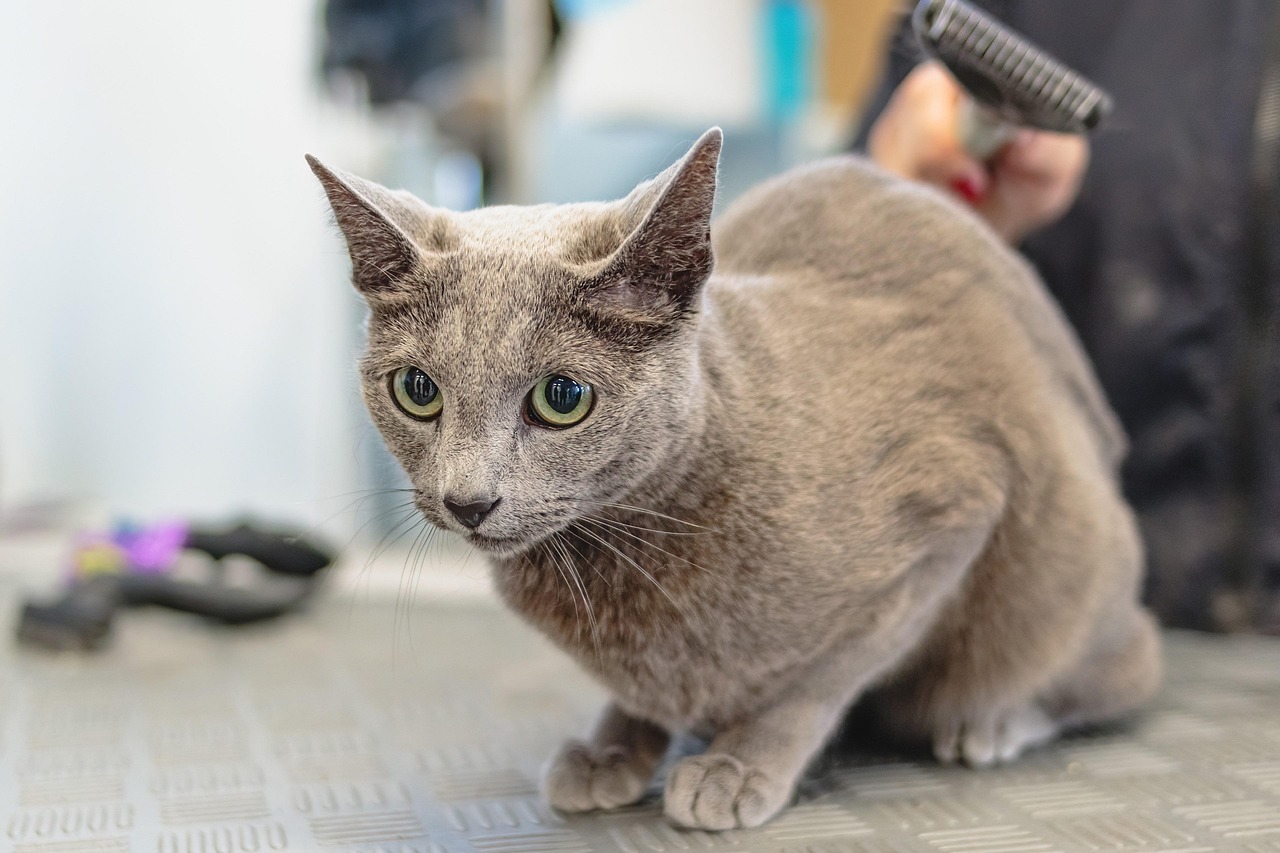
In addition to the essential grooming items already mentioned, there are a few more tools and accessories that every cat parent should consider adding to their grooming toolkit. For instance, a de-shedding tool can be invaluable for long-haired breeds, effectively removing loose undercoat fur. This tool helps reduce excessive shedding and minimizes cleanup time for cat parents. Furthermore, consider acquiring a grooming table or a slip-resistant blanket. These items can make the grooming process easier and safer, providing a stable space for your cat during the grooming sessions. Additionally, a pet wipes pack is great for quick clean-ups, especially for those instances when your cat rolls in dirt or litter. These wipes are gentle and perfect for spot cleaning fur or paws. Protective grooming attire for cat parents, like an apron and gloves, can help keep fur and potential scratches at bay. Always remember to use gentle methods and offer plenty of praise and treats during grooming to create a positive experience. Your cat will likely then be more compliant and cooperative during these sessions.
When grooming your cat, have a proper strategy regardless of each tool’s specific function. For instance, always start with a brushing routine. Begin your grooming sessions by using the slicker brush or rubber glove to gather loose hairs and prevent mats. Brush from head to tail in a firm but gentle motion. After brushing, proceed with nail trimming. Gently hold the paw and ensure they are comfortable before carefully trimming each nail tip—keeping in mind the quick, which is the pink area of the nail. If your cat tends to resist nail trimming, take it slow and keep breaks between trimming each nail. Avoid any hasty movements that could spook or harm your cat. After nails, consider bathing if necessary; use lukewarm water and gentle, cat-safe shampoo. Wrap up your grooming session by giving your cat plenty of love and encouragement, providing a treat afterward to reinforce good behavior. This routine is essential for both your cat’s appearance and overall health, fostering a trustful bond between you and your furry companion.
Fun and Creative Grooming Techniques
In addition to the traditional grooming tools and practices, exploring fun and creative grooming techniques can enhance the experience for both you and your cat. Consider incorporating interactive grooming tools that involve playtime, such as feather-tipped brushes that stimulate grooming while engaging your cat’s natural hunting instincts. Using such tools can make grooming feel less like a chore and more like a bonding experience. Another enjoyable technique involves massaging your cat while you brush them. Use your fingers to gently massage their head, neck, and back, helping to calm them. Cats often appreciate the sensation, and it may encourage them to remain still during grooming. Additionally, during grooming time, try using slow, soothing music or soft talking to create a peaceful atmosphere. Timing is key; try scheduling grooming sessions when your cat appears relaxed. This may lead to a more receptive attitude. Creating a fun grooming environment strengthens trust and encourages your cat to enjoy the process, transforming routine grooming into a delightful shared experience.
To achieve effective grooming results, establishing consistency is vital to any grooming routine. Cats thrive on routine, and therefore, implementing a regular grooming schedule will help acclimate your pet to the process and develop a positive association over time. For instance, consider scheduling grooming sessions once or twice a week. Adjust based on your cat’s specific needs; long-haired cats often require more frequent grooming while short-haired breeds may need less. Keep an eye on fur length and overall condition, as factors may affect grooming frequency. Furthermore, involve family members in the grooming process. This not only lightens the workload but offers an opportunity for bonding. By rotating grooming days among family members, your cat gets accustomed to different people handling the grooming routine, easing the overall process. Likewise, maintain an organized grooming space with all tools easily accessible to streamline your effort. A well-prepared space allows you to grab any needed tool efficiently and provides a stress-free environment. Ultimately, consistent schedules and well-organized grooming setups can greatly enhance the grooming experience for both you and your beloved cat.
Health Monitoring Through Grooming
As a responsible cat parent, grooming offers more than just a routine of aesthetic care; it’s an excellent opportunity for health monitoring. While grooming your cat, inspect their skin and coat for any irregularities, such as lumps, bumps, or bald spots, which may indicate skin issues or potential health problems. Additionally, check your cat’s paws and nails for any signs of injury or irritation, helping to ensure their overall well-being. Notably, keep an eye on their ears and eyes as well; regular grooming allows for the discovery of excessive wax buildup or discharge, which may need the attention of a veterinarian. Furthermore, utilize grooming time as a bonding moment by talking softly and being attentive to your cat’s needs. This builds trust and allows your furry friend to feel secure in your care, making them more likely to cooperate and enjoy grooming sessions. Monitoring your health and hygiene while grooming not only boosts your cat’s overall appearance but also contributes significantly to their long-term health, creating a win-win situation for both of you.
In conclusion, grooming tools and techniques form the backbone of proper cat care and hygiene. Investing in the right tools—such as brushes, combs, clippers, and shampoos—ensures that the process remains less stressful for both you and your cat. Additionally, exploring fun and creative grooming techniques, as well as establishing a consistent grooming schedule, aids in forging a trusting bond with your furry companion. Stay observant while grooming because this activity offers essential health monitoring opportunities that can catch issues before they develop further. Ultimately, your grooming sessions should provide not only a stylish coat but also a source of joy, relaxation, and mutual companionship. Don’t forget to reward your cat with plenty of praise and treats. Celebrating the successful grooming brings a sense of accomplishment while encouraging future cooperation. By dedicating time and attention to your grooming regimen, you are actively contributing to your cat’s health and happiness. Watch your relationship flourish as your cat grows to appreciate this cherished grooming ritual together.