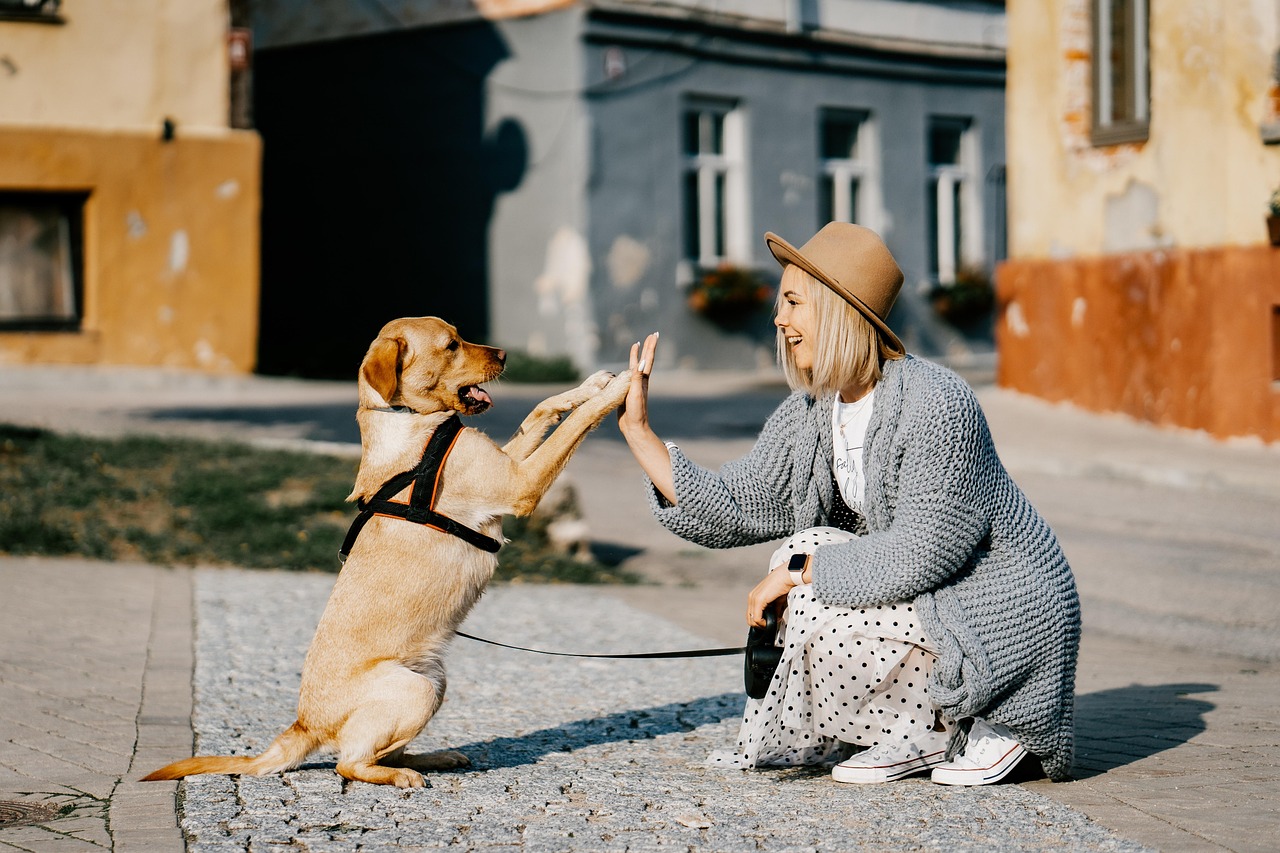

How Socialization Contributes to a Happy, Well-Adjusted Dog
Dogs are social animals, requiring regular interaction with other dogs, humans, and their environment for optimal mental health. Socialization helps dogs develop proper behavior traits by exposing them to various situations. Early socialization plays a critical role in how they handle everyday occurrences. A well-socialized dog tends to be more confident, enjoys better relationships with other pets, and exhibits fewer behavioral issues. Confidence is fostered through positive experiences, which shape their social interactions. By allowing dogs to meet different people, they learn to navigate social cues effectively. The lack of social exposure can lead to anxiety and fear-based reactions, leading to poor mental health. Owners can enhance socialization by enrolling pets in training classes or dog parks, where they can learn appropriate behaviors. Interaction during these events is crucial for their emotional development. These experiences can also enrich their lives, allowing them to explore, learn, and grow. Socialized dogs tend to display enhanced emotional stability, resulting in a happier, healthier life overall. Positive exposure to new experiences helps maintain their mental well-being, crucial for a fulfilling dog lifestyle. Behavioral problems can often be mitigated through proper socialization.
This socialization can significantly improve their adaptability and resilience in challenging environments. Understanding how their dog reacts to different stimuli can help owners manage potential issues before they escalate. For example, a dog that has not been well-socialized may display fear or aggression toward other animals or strangers. Conversely, a socialized dog will likely respond with curiosity and playfulness. Engaging dogs in social activities helps develop their coping skills, making them more adaptable to unexpected changes in their surroundings. Regular interaction lowers the chances of separation anxiety, which can manifest when they are left alone for extended periods. Developing a regular routine that incorporates social outings provides dogs with stability, improving their overall mental health. Owners should seek the right balance between socialization and quiet time, allowing their dogs to process experiences. Positive reinforcement during social interactions encourages desirable behaviors, strengthening the bond between the dog and owner. Creating a supportive network of other dog owners can also provide invaluable resources and shared experiences. Owners can exchange tips on social training while fostering their dogs’ social skills, leading to happier, well-adjusted pets.
Benefits of Socialization for Dogs
Socialization during crucial developmental stages has substantial long-term benefits for dogs. According to canine behavior experts, introducing dogs to various environments, sounds, and activities during their early months can produce profoundly positive results. Well-socialized dogs often experience reduced anxiety levels, allowing them to engage comfortably with unfamiliar situations. This exposure fosters better decision-making skills when they encounter new experiences later in life. For guardians, socialization simplifies day-to-day activities; a dog comfortable in various contexts results in fewer stressful outings. Some studies indicate that these dogs tend to have improved overall health, as lower stress levels correlate with better immune function. Additionally, socialization helps alleviate boredom, a common contributor to destructive behaviors in pets. When dogs are engaged socially, they are far less likely to resort to negative actions out of boredom. Regular play with both humans and other dogs improves their physical health, too, thus creating a well-rounded canine experience. Enriching social interactions enrich their emotional lives and lead to increased satisfaction overall. Investing time in socializing strengthens the owner-dog relationship, ensuring that both parties derive joy from their companionship.
Additionally, dog parks and training classes provide excellent environments for social interaction. Engaging in organized activities not only enhances a dog’s social skills but offers opportunities for exercise and mental stimulation as well. These settings encourage dogs to learn from one another, adopting good behaviors and manners. Interaction among dogs can teach valuable lessons about body language and communication styles. While playing with peers, dogs gain confidence, which translates to reduced fear in unfamiliar situations. Positive playtimes can ultimately prevent aggression, as dogs learn healthy boundaries and limits in their social interactions. Moreover, controlled environments provide safe spaces for timid or overly energetic dogs to acclimate gradually. Visit dog parks at times when they are less crowded to give your dog a chance to adjust without overwhelming stimulation. A patient approach towards socialization facilitates gradual progress, enhancing their overall experience. Overstimulation can lead to anxiety for some dogs, highlighting the need to manage social encounters carefully. Owners should be attentive to their dogs’ cues, ensuring they feel comfortable while still encouraging engagement whenever possible. This supportive approach creates an environment in which dogs can thrive emotionally.
Techniques for Effective Dog Socialization
When aiming for successful dog socialization, employing various techniques and strategies can yield the best results. Gradually exposing dogs to different people, pets, and environments helps them become more adaptable. Start with short introductions and low-stress settings, gradually escalating the intensity of experiences, as their confidence grows. Use positive reinforcement techniques, such as treats or praise, to encourage desirable behaviors during interactions. This helps establish a positive association with social situations, reinforcing desirable conduct. Be sure to introduce them to various types of dogs and humans to foster tolerance and adaptability. You might consider inviting friends over with their well-mannered dogs, allowing for a relaxed environment for both parties. Utilize leash training to maintain control during initial interactions and avoid overwhelming your pet. Puppy classes can be instrumental in facilitating these experiences while providing guidance from experts. Staying patient throughout the process is crucial; each dog is unique and has its pace for assimilating new experiences. Consistency in practice ensures that socialization becomes a routine part of their lives rather than a sporadic event. Understanding your dog’s temperament aids in tailoring the approach for the most effective experience.
Emphasizing positive exposure to new experiences is paramount for progressive socialization. Each interaction should be framed as a learning opportunity for your dog. Identifying potentially fearful stimuli, such as loud noises or hurried movements, may allow you to work proactively on their adaptation. Gradually introduce these elements during controlled encounters while reinforcing calm behavior with treats or praise. Keeping interactions short and sweet reduces the risk of overwhelming them and builds their confidence as they face new environments together. Monitor your dog’s reactions to better gauge their comfort levels, adjusting your approach dynamically based on feedback. Engaging with multiple environments, like busy streets or parks, helps your dog become familiar with different sensations and stimuli. This teaches them how to respond appropriately. Providing plenty of positive experiences during these outings ensures they have something to look forward to, establishing a happy association with diversity. Invest in their mental health by taking the time to explore new environments with them. This shared experience strengthens your bond while facilitating their emotional growth. Comfortable, confident dogs form healthier relationships with people and other animals, creating better dynamics in shared spaces.
The Role of the Owner in Dog Socialization
Ultimately, responsible dog owners play a vital role in their pet’s socialization process. By setting the groundwork for positive interactions, guardians significantly impact their dog’s mental health outcomes. Owners need to be proactive, engaging with their canine companions in various activities, encompassing walks, training sessions, and playdates. Being vigilant about recognizing signs of stress in their pets is essential, as addressing these concerns can prevent negative associations with social experiences. Practice patience in meeting new challenges; every experience provides learning. Moreover, owners should seek ongoing education about socialization techniques, whether through workshops or reading credible resources. Staying informed about best practices ensures making educated decisions as socialization progresses. Local communities, including associations and dog clubs, often offer resources and recommendations for enhancing social activities. Building valuable connections with other owners can allow sharing diverse insights on effective socialization. Create an inclusive environment that prioritizes gradual exposure, patience, and understanding. By investing time and effort, owners can create a social experience full of benefits for their dogs. This engaging socialization journey fosters good mental health and strengthens relationships between pet owners and their beloved dogs.
Fostering a socially adept dog promotes happiness, eases the owner’s experience, and creates a fulfilling companionship that lasts a lifetime. The effects of positive social interactions travel far beyond the present moment, leading to happier lives for both the dog and owner. Educating yourself on the particulars of dog behavior can help you recognize the importance of socialization. It’s about creating a balanced environment, rich with experiences that nurture emotional well-being. Regular and positive exposures ensure a lifetime of social skills that guard against anxiety and fear. As you embark on this journey, remember to assess each dog’s unique needs individually. Every interaction contributes to their progress, shaping more resilient and sociable pets. Crafting an enriching life for dogs includes investing in experiences that foster trust and affection between them and their humans. Embrace this role as a cherished opportunity to enhance their mental health profoundly. A well-socialized dog is generally a happier dog while being more pleasant for everyone they meet. Through focused efforts dedicated to socializing, we lay the foundation for lasting happiness and zestful lives for our canine friends.