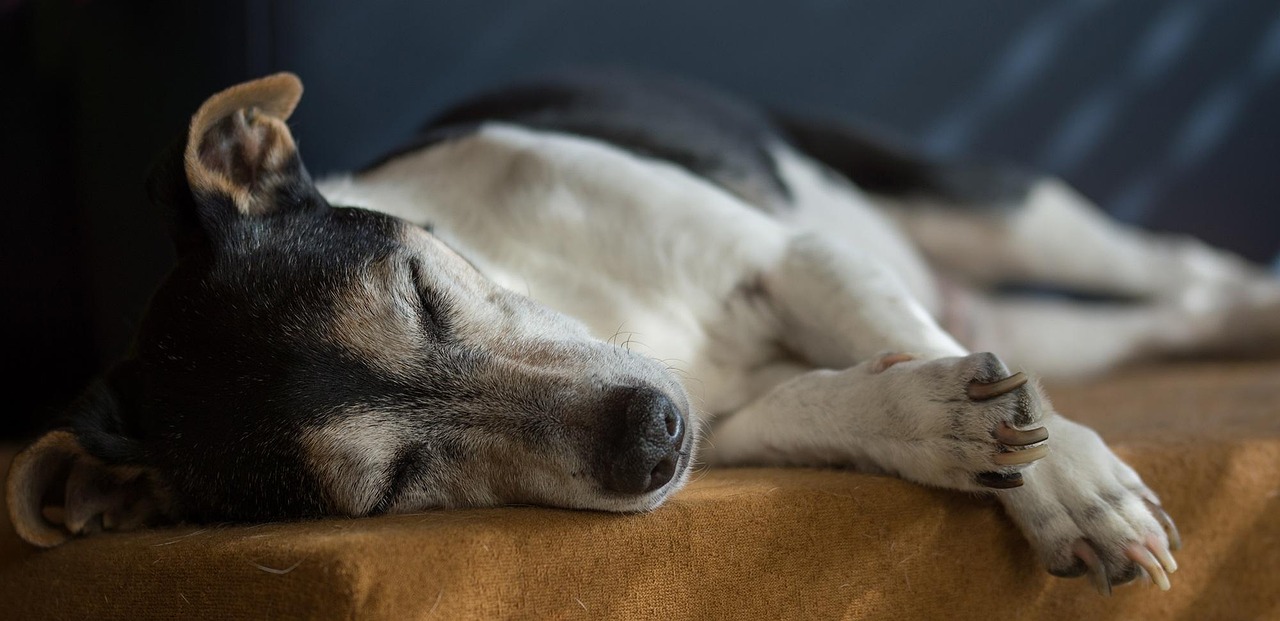

How to Care for Your Newly Adopted Senior Dog
Adopting a senior dog is a rewarding yet challenging journey. These loyal companions deserve all the love and care you can provide. They often come with unique needs that require your attention. First, assess the health of your new furry friend by scheduling a visit to the veterinarian. Senior dogs may require regular check-ups to monitor any health issues or chronic conditions. A proper diet tailored to their age and needs becomes essential, as senior dogs may be prone to obesity. Focus on high-quality food that meets their nutritional requirements. Additionally, keeping your home safe for your senior dog is crucial. Odd corners and slippery floors can lead to accidents, so ensure your space is dog-friendly. Regular exercise, albeit mild, helps keep your dog healthy and engaged. Short walks and gentle playtime should become part of their routine. Remember to shower them with love and patience. The transition can be tough, so your understanding will help ease their adaptation to your home. Pedicures and dental care are also crucial aspects of maintenance that you shouldn’t overlook. Consider their comfort and well-being in every decision.
Furthermore, giving your senior dog proper mental stimulation is just as important as physical activity. Engaging games and puzzle toys can keep their minds sharp and active. Remember, older dogs might not be as playful as younger ones, but they still enjoy activities like hide-and-seek or gentle tug-of-war. Involving them in family activities helps them feel loved and included. Training sessions, albeit shorter, can still be beneficial; focusing on commands they already know can boost their confidence. Another vital aspect of senior dog care is creating a comfortable sleeping environment. Invest in orthopedic dog beds to support their joints and promote restful sleep. Avoid complications by ensuring their sleeping area is warm and free from drafts. Some senior dogs may face incontinence issues; thus, having washable pads can alleviate stress for both you and your pet. It’s beneficial to establish a routine that suits your dog’s changing needs. A consistent schedule for feeding, walks, and bathroom breaks helps them feel secure. Socialization remains important as well; introduce them to friendly, calm dogs and gentle humans. Gradually exposing them to new environments can enhance their overall well-being.
Monitoring Behavioral Changes
As senior dogs age, observing behavioral changes becomes essential for their health. Subtle shifts can signify underlying issues, and you must be attentive. Increased lethargy, changes in appetite, or altered bathroom habits can all indicate problems. Regularly document these changes to discuss with your veterinarian, as they may lead to necessary adjustments in care. For instance, reluctance to engage in activities previously enjoyed might signal discomfort or pain, suggesting you may need to reassess their physical regime. Maintaining clear and open communication with your vet facilitates informed decisions concerning their health. Moreover, ensure your senior dog remains emotionally supported. Many older dogs experience anxiety or stress due to their transition. Providing them with a stable and familiar environment aids in reducing their anxiety levels. Create a safe space where they can retreat if overwhelmed. Establish positive reinforcement techniques to reduce stress related to training or interactions. Patience and consistency help reinforce their sense of security. In addition, consider incorporating supplements, following your vet’s recommendations, to support joint health and cognitive function. Products with omega-3 fatty acids can promote better brain function and reduce inflammation.
As with any pet, proper grooming is vital, especially for senior dogs. Regular grooming helps maintain their coat and skin health, reducing the risk of irritations or infections. Depending on the breed, this might involve brushing multiple times a week or regular trips to the groomer. Keep a close eye on their ears and teeth, as older dogs can face dental issues or ear infections. Routine dental checks will minimize the risk of illness and discomfort. Senior dogs typically need lower-impact grooming routines. Opt for gentle brushes and bathe them less frequently than younger dogs to avoid dry skin. Their coat may change texture or thickness over time, necessitating adjustments based on their specific needs. It’s important to familiarize them with the grooming process, making it as positive an experience as possible. Bribing them with treats and praises can transform grooming into a delightful activity. As they age, they might feel discomfort during grooming sessions. Pay attention to their reactions and modify your techniques accordingly. Collaboration with a professional groomer experienced in handling seniors allows you to ensure their comfort while achieving effective grooming.
Understanding Health Risks
Understanding the common health risks that accompany aging in dogs is crucial to their care. Some of the prevalent issues include arthritis, vision impairment, and cognitive dysfunction syndrome. Recognizing these potential health challenges can prepare you for the necessary care your senior dog may require. Arthritis can manifest as stiffness or limping, particularly after rest. Weight management plays a critical role in alleviating some of the symptoms associated with this condition. Regular vet visits allow you to monitor joint health and explore solutions like anti-inflammatory medications. Vision impairments become more common as dogs age, leading to increased anxiety. You may need to adjust your living space, minimizing obstacles and ensuring it’s well-lit. You should also install ramps or steps to help them easily navigate their environment. On the other hand, cognitive dysfunction syndrome can affect their behavior drastically, leading to confusion or disorientation. Activities that promote mental engagement are beneficial in combating these effects. Remember that while some changes are inevitable, your attentive care and love can significantly enhance their quality of life.
Lastly, incorporating routine veterinary check-ups ensures proactive health management for your senior dog. Regular visits help monitor ongoing conditions and enable early intervention for new health concerns. Discussing vaccinations with your vet is essential, as senior dogs may need specific vaccines to maintain immunity. Regular blood tests and screenings can assist in detecting metabolic issues or illnesses earlier. Senior wellness plans may also be available, offering comprehensive care approaches tailored for older dogs. Keep a symptom diary to share with your veterinarian, capturing any observable behaviors or physical changes. Additionally, don’t underestimate the power of supportive companions. If possible, consider adopting another calm, older dog to provide social interaction. Having a buddy can enrich your senior dog’s life, enhancing their emotional well-being. Finally, providing them with a loving, stable home fosters an environment where they can thrive. The bond you share can significantly impact their happiness, making this transition smoother for both of you. Enjoy the time you have together; every moment spent with them contributes to a cherished experience.
In conclusion, caring for a newly adopted senior dog means providing love and understanding. From managing health risks to ensuring appropriate mental and physical stimulation, attention is critical. A comprehensive routine that includes gentle exercises, proper nutrition, regular veterinary care, and grooming can significantly enhance your dog’s life. Remember to prioritize their comfort and emotional needs as they adjust to their new environment. Your patience and compassion will foster a strong bond, ensuring they feel secure and loved. Each dog is unique, and their needs may vary; thus, be prepared to adapt as challenges arise. A senior dog can bring immeasurable joy; investing time and effort into their care pays off in countless rewarding moments together. Cherish every wag, bark, and cuddle as you build wonderful memories with your senior companion. Lastly, always advocate for their well-being and share your journey with fellow dog lovers. Community support can offer invaluable advice, tips, and emotional encouragement as you navigate the rewarding experience of adopting a senior dog.