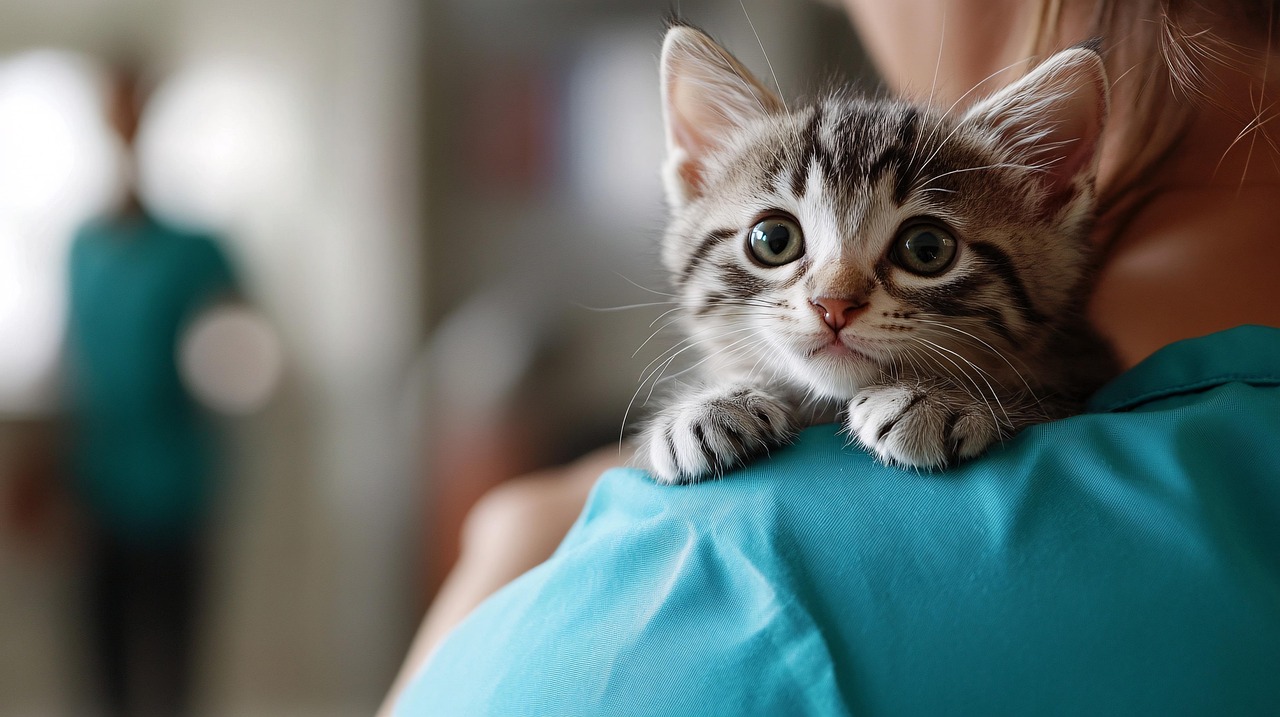

How to Prepare Your Cat for a Stress-Free Vet Appointment
Taking your furry family member to the vet can be a stressful experience for both you and your cat. The usual sights and smells can churn up anxiety for your feline. Therefore, it is vital to prepare adequately for your visit to reduce stress. Start by getting your cat used to the carrier, as the journey influences their comfort level. Make the carrier a cozy space with familiar blankets or toys. This familiarity can ease anxiety significantly. Encourage your cat to explore the carrier voluntarily, rewarding them with treats or praise. This builds positive associations with the carrier. When your cat feels safe, the idea of going to the vet will become less daunting. Next, consider acclimatizing your cat to the car. Take short car rides that gradually extend to help them feel safe in transit. Control the temperature in the vehicle and provide quiet time to avoid over-stimulation. The right preparation can make all the difference in creating a stress-free vet experience for your beloved pet. Here are some tips to help you prepare further: take a calm approach, control the environment, and use treats as rewards.
Ensure your cat is healthy and calm before the appointment. Schedule the vet visit at a time when you know your cat will be less agitated, perhaps after a meal or play session. After all, a tired kitty is often a calmer one! As you prepare, it’s crucial to gather essential items for the vet visit. Bring along your cat’s health records and any medications they may need. If any health issues are on your mind, jot down your concerns and questions for the vet. Use your phone to document your cat’s symptoms leading to the visit. This record can aid your vet in identifying potential problems efficiently. Additionally, it’s helpful to note any specifics about your cat’s behavior or habits that might be relevant, such as changes in eating or sleeping patterns. In particular, if your cat gets car sick or is prone to anxiety, let your vet know so they can provide you with informed advice and treatment options. Preparing a wellness checklist can also streamline the process. Always take your cat’s personality and behaviors into account when approaching the appointment.
Utilizing Calming Products
There are many products available designed specifically to help reduce stress in cats. Pheromone diffusers can be helpful as they replicate the natural calming scents that cats emit when feeling secure. These diffusers can be plugged in at home before your vet visit, allowing your cat to absorb these scents in a familiar environment. Another option is pheromone sprays or wipes that can be used in the carrier to create a more comforting space. Alongside these pheromones, consider using calming collars. These collars contain additives that may reduce anxiety in stressed cats. Testing these products prior to the vet visit will allow you to notice their effectiveness. While gardening, natural remedies such as chamomile and valerian root can also be beneficial, but always consult your vet first. Additionally, before the appointment day, carefully monitor your cat’s behavior. Notice if they seem more anxious or withdrawn. Consistent behavioral patterns could indicate the need for deeper calming methods or consultations with your veterinarian. Overall, familiarizing your cat with the vet’s environment through these aids can help create a calmer atmosphere.
On the day of the appointment, maintaining a calm demeanor is essential. Cats can pick up on your emotions, so even if you feel anxious, do your best to convey a sense of calm and confidence during your interactions with your pet. As you prepare to leave, ensure that you have everything you’ll need: the carrier, health records, and any medications. Lastly, do not rush your cat into the carrier; instead, let them enter at their pace. This approach helps them feel more in control. If your cat refuses to enter, consider placing their favorite toy inside to entice them gently. It’s also essential to make the ride comfortable; use a seatbelt or carrier straps to secure them, minimizing movement during transport. Maintain a quiet environment in the car, avoiding loud music or sudden noises, to further alleviate any potential stress. Pay attention during the journey; if they show signs of distress, stop and talk to them reassuringly. Arriving relaxed and ready can create a smooth transition into the veterinary office, reducing potential stress before the appointment even begins.
At the Veterinary Office
When you arrive at the veterinary clinic, please be patient with the process. Check in with the receptionist and take a moment to settle your cat while you wait. Turn to distract your cat with gentle petting or soothing words. If the waiting area is busy, consider finding a quieter spot or waiting outside if possible, ensuring a more peaceful environment. If the clinic offers an isolated waiting area for anxious pets, opt for it to reduce stimulation. Once in the examination room, however, stay calm. Remove your cat cautiously from the carrier, allowing them time to adjust to the environment. Allow your pet to explore slowly; if they hide, don’t force them out. Employ familiar comfort items, such as toys or blankets, to give them a sense of security. This can also keep your cat occupied while the vet performs the necessary examinations. Moreover, keep a close eye on your cat’s body language. If they appear anxious or fearful, gently reassure them with your touch or voice to help them feel safe in the unfamiliar situation.
After the examination, maintaining a positive atmosphere is key to ensuring a good post-vet experience. Regardless of how it unfolds, reward your cat’s bravery with treats or extra cuddle time at home. This reassures them that their visit, though perhaps scary, leads to enjoyable moments from your perspective. As soon as you arrive home, allow your cat to become familiar with their surroundings again. Provide comfortable spaces in cases where they need to regroup and feel secure. You may notice your cat acting differently after the visit; they may be more withdrawn, and this is typical behavior. Give them time to adjust back to their normal routine without excessive fuss. In addition, follow any care instructions or advice from the vet. This helps in preventing stress due to confusion or uncertainty in their post-visit behavior. Continue to monitor their behavior for a few days, allowing you to catch potential side effects that need addressing. Creating resilient experiences at the vet helps cultivate a better relationship with veterinary care for your cat.
Establishing a Routine
For future vet visits, creating a routine can greatly assist in reducing stress. Familiarity breeds comfort, so schedule regular vet check-ups to help your cat grow accustomed to the experience. During these visits, maintain a calming routine that consists of preparing the carrier, using calming products, and rewarding your cat for good behavior. The routine should be pleasant and predictable, encouraging your cat to associate vet visits with positive experiences. Regular exposure to the vet can lessen anxiety over time, making each visit progressively smoother. Besides vet visits, incorporate other routine check-ups at home. Regular grooming and mild handling will help your cat become comfortable with being touched and examined. This familiarity will translate well when they go to the vet, making the veterinarians’ job easier. When preparing your cat for a stress-free vet appointment, always remember to take a holistic approach. By combining environmental changes, calming products, and establishing predictable routines, you can genuinely improve your cat’s well-being. With these practices in place, both you and your cat can feel more confident and calm during those essential appointments.
Remember, as a pet owner, taking measures to alleviate stress during vet appointments is a noble and loving responsibility. Your cat relies on you to provide not just their physical needs but also emotional comfort. Always keep their temperament and personality at the forefront of your preparations, ensuring that every appointment becomes a constructive experience. Collecting information on how to handle your cat’s specific habits and needs should be your priority. This dedication to your cat’s mental health can build trust, enhancing your bond. If any behavioral issues arise, address them proactively. Consider seeking advice from your veterinarian on tailored solutions for your feline friend. Encouraging healthy associations through patience and rewards is an effective strategy that will pay off in the long run. A calm visit can encourage your cat to be more cooperative in the future and can contribute to more positive overall experiences. Establishing a cycle of trust and understanding fosters good habits in your pet, ultimately leading to better health outcomes. Follow these recommendations, and your efforts will be rewarded with a more relaxed, happy kitty at their veterinary appointments.