Importance of Vitamin D for Cats with Special Dietary Requirements
Vitamin D plays a crucial role in the overall health and well-being of cats, especially those with special dietary needs. Unlike other nutrients, cats cannot synthesize vitamin D naturally, which means they rely on their diet to obtain it. This essential vitamin facilitates the absorption of calcium and phosphorus, two vital minerals necessary for bone development and maintenance. A deficiency in vitamin D can lead to severe health complications such as rickets or osteomalacia, which further impacts a cat’s skeletal integrity. For cats with specific dietary restrictions, ensuring adequate vitamin D intake can be challenging. Some commercial cat foods are fortified with vitamin D, yet not all brands meet the specific needs of every cat. It is essential to select foods that cater to these particular dietary preferences. If a cat requires a specialized diet due to medical issues, it’s important that pet owners consult with a veterinarian to determine the best food options available. Ultimately, addressing vitamin D requirements through careful dietary selection can significantly improve the quality of life for cats under special dietary and health circumstances.
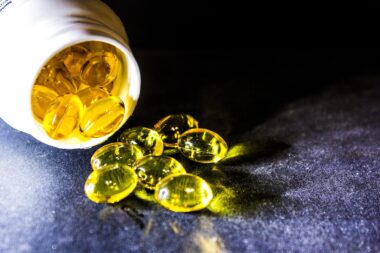
Vitamin D is found in various food sources, including fish liver oils, egg yolks, and certain types of meat. However, not all cat owners are aware of how to integrate these sources effectively into their pet’s diet. Cats typically thrive on diets that include animal proteins; hence, incorporating fish or egg products is often beneficial. Nevertheless, if a cat has allergies or intolerances, alternative supplements may be necessary to provide adequate levels of vitamin D. These supplements come in various forms, including capsules or powders, which can be added to meals. When choosing a supplement, pet owners should seek advice from veterinarians to ensure that the product is safe and effective for their specific needs. Vitamin D deficiency can be particularly common in indoor cats that may not have regular access to sunlight, which is another natural source of this vitamin. Sunlight exposure allows the skin to produce vitamin D, contributing to overall health. For cats that spend most of their time indoors, special attention should be paid to their diets, considering they may lack sufficient sunlight exposure.
Signs of Vitamin D Deficiency in Cats
Recognizing the signs of vitamin D deficiency in cats is crucial for early intervention and treatment. Common symptoms may include lethargy, weakness, or reluctance to move, which could indicate that the cat is experiencing discomfort. Additionally, if a cat exhibits signs of poor coat condition or shows unexpected weight fluctuations, these may be warning signs that the diet lacks sufficient vitamin D. Maintaining an active lifestyle is important for cats, and vitamin D plays an integral role in their energy levels. Beyond physical symptoms, behavioral changes should also be monitored. If a usually sociable cat becomes withdrawn, it might be time to examine their diet closely. Regular veterinary check-ups can help detect nutrient deficiencies before they lead to more serious health issues. A veterinarian can recommend blood tests to assess vitamin D levels, which could give pet owners a clearer picture of their cat’s health status. Taking timely action can dramatically improve a cat’s quality of life, preventing long-term health complications related to vitamin D deficiencies. Monitoring their dietary intake ensures they remain healthy and vibrant.
Moreover, it’s essential to be cautious about vitamin supplementation, as excessive intake can lead to toxicity. Cats can be particularly sensitive to high levels of vitamin D. Symptoms of toxicity include vomiting, loss of appetite, and increased thirst. Therefore, it is vital to adhere strictly to the recommended dosage when providing supplements. Always consult with a veterinarian before starting any supplementation program to ensure that the dosage aligns with your cat’s individual health requirements. Certain commercial cat foods might already contain optimized levels of vitamin D, which could reduce the need for additional supplements. Therefore, reading labels and ingredient lists carefully is essential when selecting cat food. Look for trusted brands known for their quality and adherence to nutritional standards. Bear in mind that not all cat foods are created equal; therefore, conducting thorough research is key. If a cat has known dietary restrictions, opt for foods explicitly designed for their requirements. This way, you can be more confident that their nutritional needs are being met safely and effectively.
Choosing the Right Cat Food
When selecting cat food for those with special dietary needs, it’s vital to choose high-quality, nutritionally balanced options. Look for products that clearly state they contain adequate levels of vitamin D, ideally from a reliable source. Many brands use natural chicken or salmon as a base, which are effective in providing essential nutrients, including vitamin D. However, some cats may require hypoallergenic diets, which could make sourcing vitamin D a bit trickier. In such cases, consulting with a veterinarian or a pet nutritionist becomes critical. Working together, they can identify the right balance of protein sources while ensuring that vitamin D needs are met. It can be beneficial to experiment with different brands until the right balance of flavor and nutrition is found. Keep in mind that the adjustment period for dietary change might take some time, as cats may be sensitive to ingredient changes. Observing a cat’s behavior during this transition period is essential, as this can help determine if the new food is working as intended.
Additionally, advances in pet nutrition have led to the development of fortified foods specifically aimed at providing complete nutrition, including adequate vitamin D levels. These advances often focus on meeting the needs of cats suffering from various health issues, such as diabetes or renal problems. Integrating these specialized foods can help maintain optimal health, and many manufacturers are now producing both dry and wet food varieties that meet the same standards. Varieties of food allow cat owners to choose options based on their cats’ preferences and dietary needs. It’s worth noting that some cats can be picky eaters; they may require gradual introduction to new foods. In such cases, mixing old and new food can ease the transition. Always stay aware of your cat’s changing needs, especially as they age. Nutritional requirements can shift over time, thus necessitating food adjustments.
Consulting a Veterinarian
Regular consultations with a veterinarian are indispensable, especially for cats with special dietary needs. Veterinary professionals can provide comprehensive assessments of a cat’s nutrition and specific vitamin D requirements. Regular check-ups ensure that adjustments in diet can be made based on age, activity level, and health condition. Some common issues, such as obesity and diabetes, can influence how a cat metabolizes vitamins and minerals, including vitamin D. Vets can also recommend dietary modifications that can help in managing pre-existing health conditions while ensuring cats receive adequate nutrition. Vitamin D intake thus becomes part of a holistic approach to animal health. Moreover, if there are concerns about a cat’s health status, veterinarians can offer comprehensive testing to evaluate vitamin levels and recommend necessary dietary changes. Identifying deficiencies early helps in taking proactive measures to treat or prevent serious health issues. Nutrition is tied intricately to overall health, and a balanced diet is essential to raising a healthy cat. Being proactive about dietary needs is vital for maintaining your cat’s longevity and happiness.
In conclusion, ensuring that cats with special dietary needs receive adequate vitamin D is crucial for their health and well-being. Understanding the role that this vitamin plays in bone health, energy levels, and overall vitality is necessary for every cat owner. As pets rely on their dietary intake, the responsibility falls on pet owners to select suitable food options that meet these specific nutritional requirements. Whether through natural sources or specific cat food formulations, addressing vitamin D needs can lead to a healthier, happier life for cats. Paying attention to any symptoms of deficiency, as well as their eating habits, is essential. Regular veterinary consultations further support maintaining optimal health. Therefore, never undervalue the importance of nutrition, especially when it comes to specialized diets. The right food can make all the difference, ensuring that cats live a full, active life. Always advocate for your pet’s health by staying informed about their nutritional requirements, adjusting diets as needed, and marking growth or changes effectively. Armed with knowledge and awareness, cat owners can make informed choices that positively impact their beloved pets’ quality of life.