
Nutritional Requirements for Dogs During Physical Activity
Providing adequate nutrition to dogs during physical activity is essential for their overall health and performance. Dogs, like humans, require a balanced diet that supplies energy, vitamins, and minerals when engaging in exercise. An appropriate nutritional regimen ensures that dogs maintain their endurance and stamina, preventing fatigue and dehydration. The primary nutrient needed during exercise is carbohydrates, which provide the quick energy crucial for activity. Additionally, proteins are vital for muscle repair and recovery. As such, incorporating high-quality sources of these macronutrients is crucial. To promote optimal performance, ensure that the dog’s diet consists of around 30-60% carbohydrates, 20-40% protein, and fats to provide additional energy. It’s essential to remember that water is just as crucial; adequate hydration supports digestion and nutrient absorption. Being mindful of proper nutrition can enhance not only a dog’s athletic abilities but also their general well-being. Therefore, consulting with a veterinarian for tailored dietary planning can lead to a proper and balanced meal plan, tailored specifically for an active dog, ensuring they thrive during outdoor or competitive activities.
One key aspect is the timing of meals relative to exercise. Practitioners recommend feeding dogs a large meal at least two hours before engaging in vigorous activity. This delay allows for proper digestion and energy release, minimizing the risk of discomfort. After exercise, offering a light meal aids in recovery, replenishing lost nutrients. Choose options such as a blend of protein and carbohydrates to stimulate muscle repair and glycogen replenishment. Not all dogs will have the same caloric needs, so adjust portion sizes based on the dog’s weight, age, and activity level. For dogs that are more active, an increase in calorie intake may be necessary to ensure they meet their energy demands. Conversely, inactive dogs will need less frequent feeding to prevent unnecessary weight gain. Ideally, providing small, nutrient-dense meals instead of larger, less frequent ones can assist in addressing these needs. Additionally, consider natural food options rich in omega-3 and omega-6 fatty acids to promote overall health. These fats are beneficial for the skin and coat, adding to the dog’s appearance and protecting against exercise-related stress on the body.
The Importance of Hydration
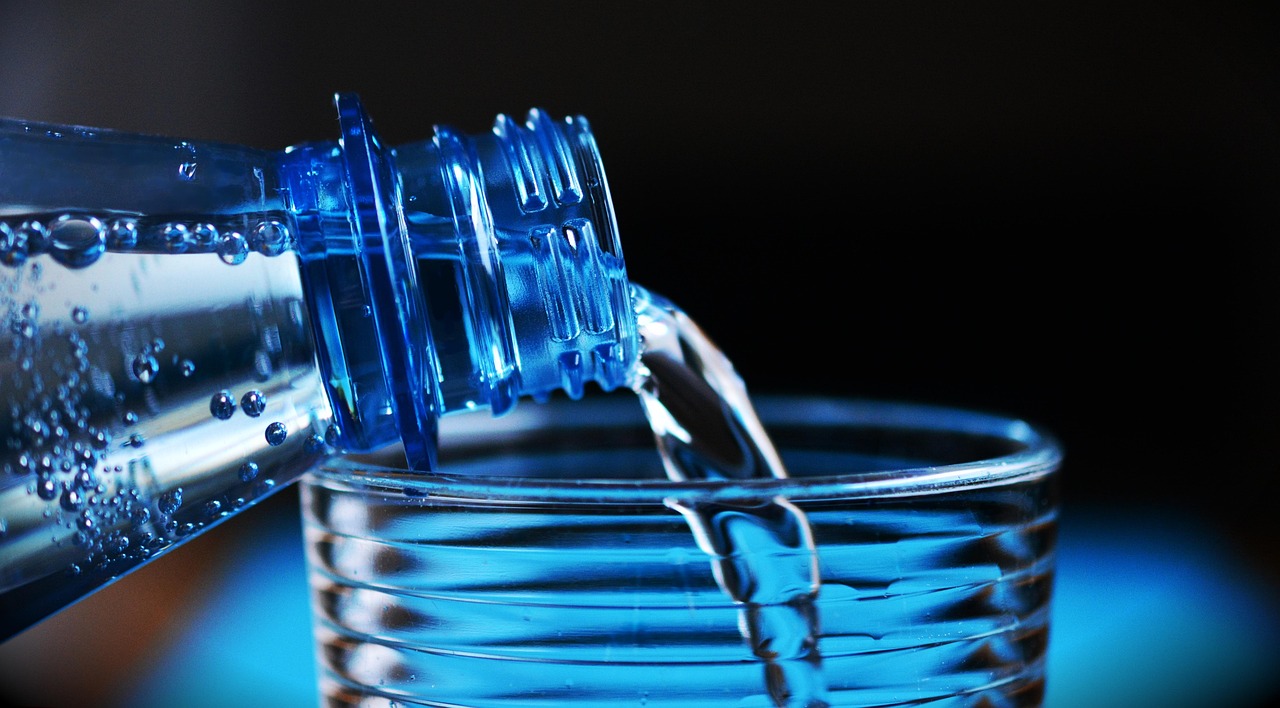
Hydration is often an overlooked aspect of nutritional needs for dogs during exercise yet is crucial for maintaining optimal performance. Even mild dehydration can lead to reduced energy levels and impair a dog’s ability to exercise effectively. Be mindful to provide fresh, cool water before, during, and after engagement in physical activity. One effective strategy to encourage drinking is serving water in a clean bowl that dogs recognize, sometimes with the addition of a splash of low-sodium broth for flavor. Electrolyte losses through sweat and breathing also need addressing, especially in larger or more active breeds. Specialized hydration solutions are available, which may help support a dog’s recovery post-exercise. Remember to look for products designed specifically for canine use with no harmful ingredients. Keep a watchful eye on your dog during activity. If their tongue appears excessively dry or they seem lethargic, these could be signs of dehydration. Regular breaks during exercise offer your dog a chance to rest and hydrate, allowing them to enjoy their time outside while effectively managing their electrolyte balance and re-energizing for more fun.
Understanding your dog’s specific breed and age is also paramount in determining its hydration and nutritional needs. Puppies require a different balance of nutrients than adults due to their developing bodies. Breeds with thicker coats may have distinct hydration needs compared to those with thinner, shorter fur. Moreover, adjusting the meal plan for seasonal changes is advised, as high temperatures can increase the risk of dehydration. Always consider consulting your veterinarian, especially when introducing new food options. Their insight ensures you’re meeting the dietary and hydration needs specific to your dog’s individual requirements. Formulating an effective plan is about striking a balance that encompasses protein sourcing, hydration, and calorie counts. Regular monitoring of your dog’s physical condition can also indicate whether they’re thriving in their diet. Signs to watch for include energy levels, coat health, and overall mood. Adjusting diet and water intake can enhance performance and health. Provide nutritional support to ensure your furry friend remains happy and energetic, thus making the most of their playtime excursions. Thus a commitment to their hydration and nutritional needs pays off with their boundless enthusiasm during exercise and leisure time.
Supplementation for Active Dogs
For some dogs, particularly those engaged in high-intensity work or agility sports, supplementation might be beneficial. This is especially true for dogs experiencing higher wear and tear on their joints and muscles. Glucosamine and chondroitin are well-known supplements that promote joint health and could support an active lifestyle effectively. Additionally, omega-3 fatty acids derived from fish oil can combat inflammation and improve mobility. Incorporating these supplements into the diet can contribute valuable nutrients that may support recovery and enhance performance. Always evaluate the specific needs based on your dog’s activity level and consult your vet for appropriate dosages. Be cautious when selecting supplements; choose those from reputable brands. Whole food supplements can also provide nutrient benefits. Ingredients such as sweet potatoes, pumpkins, vegetables like spinach or kale, and lean meats offer a well-rounded nutrient profile. Ensuring that any supplements fit into the overall diet plan without creating imbalances or overloading your dog’s system is crucial. Overall supplementation should complement a balanced diet rather than serve as a primary food source, and awareness of your dog’s individual needs is imperative for success.
Finally, transitioning to a new diet or introducing supplements should always be done gradually. This approach allows your dog’s digestive system to adapt without creating distress or discomfort. Begin by mixing small amounts of the new food with their current diet and gradually increasing this proportion over about seven to ten days. This tactic can help avoid gastrointestinal upset. Likewise, when supplementing, introduce one component at a time, closely observing how your dog responds to each addition. It’s vital to monitor for any adverse reactions or changes in appetite or behavior. Each dog is unique and what works wonders for one might not be suitable for another. Doing research and seeking veterinary help can ensure you provide a well-rounded nutritional profile tailored to support your dog’s needs, especially during activity. Attention to nutritional intake will reflect in their overall demeanor and longevity of health. Prioritizing their hydration and nutrition during physical activity ensures that your active companion can enjoy life to the fullest, grow stronger, and thrive in their daily routines.
Conclusion: Holistic Approach for Dog Nutrition
In conclusion, being diligent about your dog’s nutrition and hydration during physical activity is paramount for their well-being. With the right balance of macronutrients, hydration, and occasional supplementation, you can significantly impact your dog’s health while ensuring they are fit for their pursuits. Understanding the specific needs of your dog’s breed and age is essential to developing a tailored plan that aligns with their activity level. The benefits go beyond immediate exercise fulfillment; the right nutrition and hydration foster long-term health, vitality, and happiness. Paying attention to your pet’s responses to dietary changes and ensuring they stay hydrated will lead to positive outcomes in their overall behavior and energy. Always make adjustments as necessary and stay vigilant about monitoring health indicators. Consulting your vet can provide invaluable insights when refining feeding and hydration routines. A thoughtful and strategic approach to diet and nutrition results in a happier, healthier pup, ready for the adventures of daily life. Engaging in regular activities will reinforce your bond while contributing to a healthier lifestyle, promoting both physical and emotional well-being for your best friend.