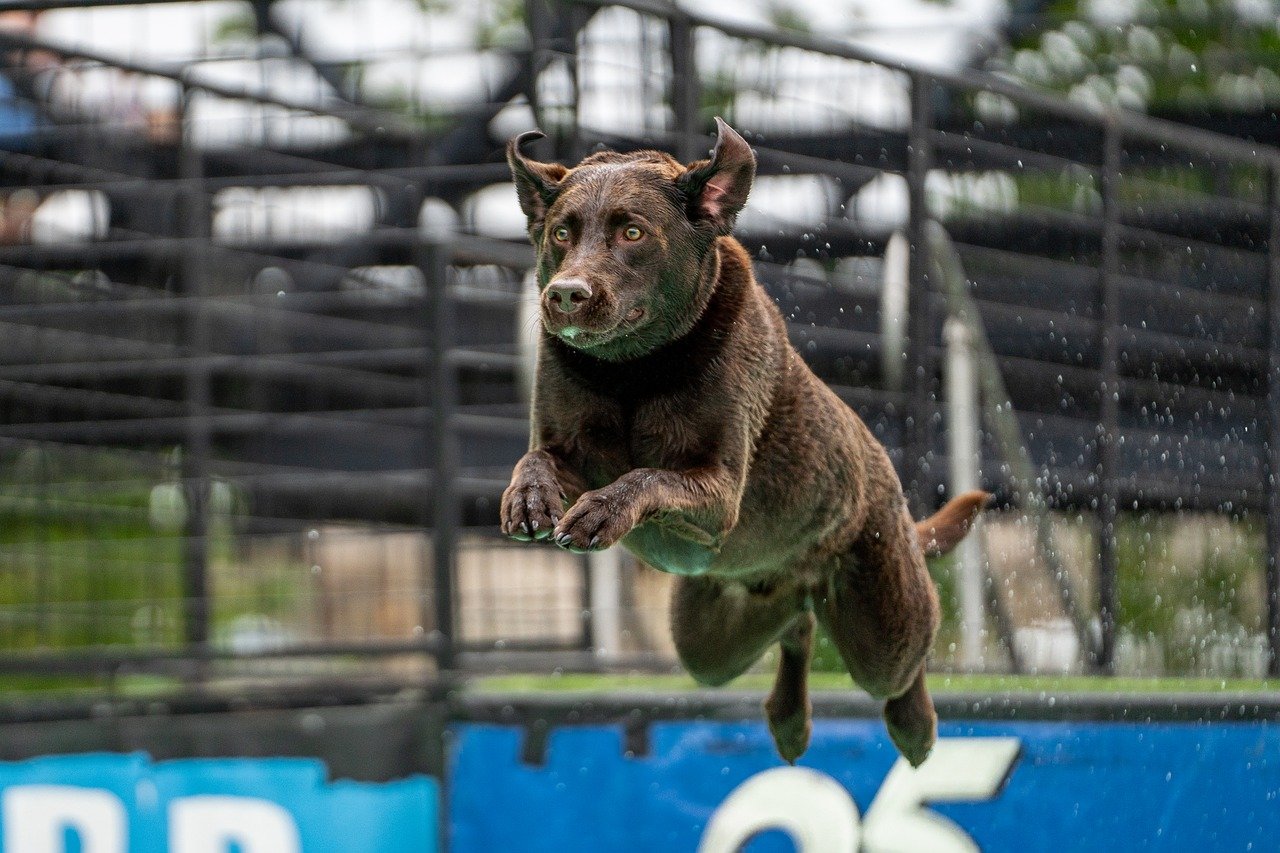

The Impact of Environmental Factors on Vaccine Needs in Sport Dogs
When it comes to canine sports, understanding the impact of environmental factors on vaccine needs is essential for ensuring each dog’s health. Sport dogs are often exposed to varying climates, which can influence their immune responses and overall health status. Factors such as temperature, humidity, and local wildlife play significant roles in determining possible exposure to infectious diseases. For instance, a dog participating in agility events should have vaccinations appropriate for the environment where the event is located. If the weather is particularly warm, dogs may face a higher risk of heat-related illnesses and infections. Thus, it becomes essential for owners and trainers to closely monitor their environments. Furthermore, dogs not adequately vaccinated may be more susceptible to illnesses spread by wildlife nearby. Considering these aspects allows for a proactive approach to health management, ensuring dogs receive the necessary vaccinations to remain healthy and perform optimally in their sports. Proper veterinary guidance is invaluable in this process to assess current vaccination status based on the sport and training setting.
Vaccination schedules should be tailored based on specific environmental threats that sport dogs might encounter during training or events. Each region can present unique conditions that warrant different vaccination protocols. Owners should be well-informed about the prevalent diseases in their area which necessitate timely vaccinations for sport dogs. For instance, in areas with a high prevalence of Leptospirosis, it’s crucial to ensure that dogs receive their vaccines ahead of potential exposure. This vigilance includes considering seasonal patterns and potential natural disasters, such as floods, that may increase risk factors. Moreover, interactions with other dogs during events can lead to exposure to contagious diseases, making vaccinations vital. Regular consultations with veterinarians can help owners adjust their dogs’ vaccination status to meet any changes in their environment or competition schedules. Keeping an updated vaccination record is essential, as some sports organizations may have specific requirements. This not only safeguards the dog’s health but also ensures adherence to event standards, contributing to a safe environment for all participants.
Adverse Weather and Its Effects
Adverse weather conditions can have profound effects on the health and well-being of sport dogs. Unpredictable weather patterns bring challenges such as extreme temperatures, rain, or snowfall, affecting both training and health requirements. For example, cold weather can predispose dogs to hypothermia or frostbite. Vaccinations may also need to be adjusted based on these conditions, as certain diseases thrive in damp and cold environments. Likewise, heat can lead to dehydration and heatstroke, making it essential to ensure that vaccines aimed at preventing common heat-related illnesses are current. Additionally, these conditions may affect the types of diseases present, and exposure may vary significantly. Consulting with a veterinarian to evaluate environmental factors regularly, alongside vaccination records, can help owners safeguard their dogs during high-risk conditions. Engaging in seminars or workshops on dog health and sports can enhance understanding of the relationship between environmental factors and needed vaccinations. Taking precautions in adverse weather thus aids in creating a safe environment critical for any sport dog’s success and longevity.
Another significant factor is the role of local wildlife in affecting vaccination requirements for sport dogs. Animals such as raccoons, foxes, or rodents can be vectors for diseases like rabies, making vaccinations critical for dogs involved in outdoor sports. Increased interactions between sport dogs and wildlife can elevate the risk of contracting life-threatening diseases. It’s imperative for dog owners participating in outdoor sports to ensure that rabies vaccinations are up-to-date, particularly in regions where wildlife encounters are frequent. Furthermore, dogs trained in areas prone to tick infestations must also receive vaccines for Lyme disease, considering the increased likelihood of tick exposure in these environments. Regular health checks and consultations with veterinary practices that understand local disease trends will aid owners in creating appropriate vaccination plans. Seasonal changes likewise affect wildlife behavior, and this should also inform the timing of vaccinations for dogs engaged in outdoor sports year-round. Each owner’s diligence in monitoring the wildlife exposure further contributes to ensuring the health and safety of sport dogs.
Importance of Early Vaccination
Early vaccinations are crucial for both the behavioral and physical development of sport dogs. Puppies should receive their initial vaccines at appropriate intervals to build immunity progressively. This will allow them to participate in training and competitions without the added risk of infectious diseases. Owners should consult their veterinarians to establish an optimal vaccination schedule, addressing conditions specific to their sport environment. Prompt vaccinations can prevent outbreaks of diseases that can significantly injure young dogs during training or competition. For instance, Parvovirus is highly contagious, and even a single missed vaccine can expose puppies to this virus. Hence, early protective measures against prevalent and deadly diseases safeguard puppies as they transition into sport training. Conversely, maintaining a complete vaccination schedule throughout a dog’s life is essential to ensure their ongoing health and ability to perform. Emphasis on early vaccine strategies translates to healthier dogs, minimizing veterinary costs and training downtime due to illnesses. By understanding how early vaccines can fortify sport dogs against various environments, owners play an active role in optimizing their dogs’ athletic futures.
Preventive healthcare, particularly through vaccinations, is a proactive approach that boosts a sport dog’s performance and allows for a better competitive experience. Vaccines not only protect dogs from significant health risks but also enhance their overall stamina and endurance in dog sports. A healthy dog is a more capable competitor, as proper vaccination reduces the risk of illness, which can hinder training and performance when it matters most. The importance of prevention cannot be highlighted enough, as it leads to minimized injury aggregation and sick days. Engaging in discussions with veterinarians about developing specific training programs that consider vaccination needs can further optimize a dog’s capability. Importantly, effective vaccines will contribute to the resilience of the dog in challenging environmental factors, enhancing its ability to perform skillfully under pressure. Tracking vaccination responses further aids in understanding each dog’s specific needs concerning environmental challenges. Being proactive about vaccinations ultimately results in well-rounded athletes who can excel in their respective canine sports, while their owners maintain peace of mind regarding health concerns.
Final Considerations on Canine Vaccinations
The relationship between environmental factors and vaccination needs is critical for the well-being of sport dogs. This requires ongoing assessment and diligent management from owners throughout their dog’s athletic lives. Understanding the climatological implications, local wildlife influences, and individual dog health can shape the necessary vaccination adjustments. Consultation with professional veterinarians ensures that dog owners are informed about the latest findings in canine vaccine protocols that correspond with specific sports. Also, proactive owners should be attentive to government regulations or changes in local disease outbreaks, considering sudden climatic weather changes that can alter risk levels for transmission of diseases. Importantly, keeping dogs healthy through proper vaccination adds longevity to careers in canine sports. Finally, the knowledge that proactive vaccination needs are anchored in a well-rounded understanding of environmental and health factors enables dog owners to make informed decisions. Ultimately, prioritizing vaccinations enhances the safety, performance levels, and health of the sport dogs throughout their competitive experiences.
By ensuring their protection against diseases and considering environmental aspects relevant to their lives, owners contribute to creating optimal conditions for successful canine sports. Regular health check-ups that include performance checks, consultations, and vaccinations are essential for overall dog health. Keeping meticulous records further informs timely vaccination needs based on specific conditions that athletes face. As awareness of environmental impacts increases, so does the responsibility for owners to adapt their care strategies. This relationship between environmental conditions and vaccinations is vital for achieving high standards in canine sports participation, fundamental for developing competitive athletes. Ensuring every dog is equipped with the proper vaccinations leads to improved individual and team successes.