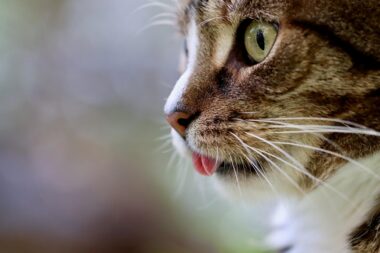
The Role of Body Language in Cat Behavior at Shows
Understanding body language is crucial for observing cat behavior during shows. Cats communicate primarily through non-verbal signals, which can indicate their emotions and reactions. For instance, a cat’s posture, tail position, and ear orientation are vital indicators of how they perceive their environment. When a cat feels threatened or anxious, it may arch its back and puff up its fur, signaling discomfort. Conversely, a relaxed cat will often lie down flat, with a calm expression and a gently swaying tail. Observers can learn to recognize these behaviors to better understand a cat’s state of mind during the stressful scenarios often encountered in shows. Additionally, the subtleties of feline communication can play a pivotal role in a cat’s success at these events. By adapting to their cues, handlers can create a supportive atmosphere, promoting confidence and composure. Promoting positive behaviors through careful observation simplifies the interactions between cats and their humans. Those involved in cat shows can benefit immensely from understanding these critical aspects of feline communication.
Within the competitive environment of cat shows, managing breed-specific body language is essential. Certain breeds exhibit distinct traits and behaviors that owners and judges should know. For example, Siamese cats are known for their vocal tendencies and strong personalities, expressing themselves through bold body language. They may arch their backs and demand attention, conveying various emotions through their movements. In contrast, Persian cats exude more gentle and subtle signals, often preferring to remain calm and composed. It’s crucial for handlers to understand these nuances. Every breed has its unique tendencies that influence behavior at shows. The attention a breed receives can also vary based on how well its unique body language is interpreted. Educating oneself about the specific habits and inclinations of each breed enhances the interaction during shows and creates a more enjoyable experience. For potential cat owners in the future, learning how to read these signals effectively may transform training methods and help in identifying feline stress levels. Better communication leads to more effective training and stronger bonds between cats and those dedicated to showcasing them.
Understanding Fear and Stress Signals
Recognizing fear and stress signals is crucial for ensuring a cat’s well-being at shows. Cats can experience overwhelming emotions in unfamiliar environments filled with loud noises and many people. Consequently, identifying behavioral changes becomes more important. A frightened cat may display behaviors such as hiding, excessive grooming, or attempting to flee. These indicators can be easily overlooked, resulting in increased anxiety for the animal. Handlers should remain vigilant and attentive, especially when these negative signals present. Implementing tactics to reduce stress is integral for managing a cat’s emotional state during events. For instance, providing a safe space, such as a cozy bed or hiding spot within their carrier, enables cats to retreat when feeling threatened. Owners can also help by acclimating their pets to the show environment prior to the event. Gradually introducing them to sounds and visuals can foster familiarity. Engaging in positive reinforcement techniques can reinforce desirable behaviors and help mitigate stress. Training aids, such as clickers or treats, can be effective in cultivating a sense of calm and comfort.
Another crucial aspect of understanding cat behavior during shows is knowing how to interpret friendly and inviting body language. A cat displaying playful behavior may be eager to engage with those around it, typically accompanied by a relaxed body posture, pointed ears, and pupils that are neither dilated nor constricted. Recognizing this behavior can prompt positive engagement between the cat and spectators, enhancing the overall experience. Encouraging interactions allows for better bonding opportunities, and observers can appreciate a cat’s personality through such lively displays. Providing enrichment opportunities, such as toys and engaging activities during downtime, supports this playful behavior. These aspects contribute to a nurturing environment crucial for a cat’s success at shows. Handlers may also observe their cat’s reactions to various stimuli, noting what excites or calms them. To harness such engagement, handlers should proactively create interactive experiences. Learning about specific interests of each cat enhances their interactions with people, ensuring that their unique character is displayed effectively within the competitive context. Ultimately, promoting authentic connections can lead to memorable moments during competitions.
Body Language as a Tool for Communication
Body language serves as a powerful yet subtle communication tool among cats and their owners. Understanding these signals not only promotes well-being before and during competitions but also enhances the relationship between cats and humans. A cat’s physical posture can reveal its comfort level and willingness to engage. For example, a cat with a relaxed body posture, along with a gentle movement of the tail, indicates openness to interaction. On the other hand, if the cat displays stiffness or turns its body away, it may be indicating that it feels threatened. Tactile communication also plays a significant role; cats often rub their faces against their owners as a sign of affection. Attachment is formed through consistent and positive interactions, reinforcing a cat’s trust in their handler. Understanding these cues can assist owners in making adjustments to improve the atmosphere surrounding their cats during shows. Moreover, by recognizing each cat’s unique quirks, handlers can tailor their techniques to foster comfort and success. Enhancing communication ultimately leads to healthier relationships and competitive outcomes.
Handling techniques also play a role in projecting calm and secure body language, allowing cats to feel genuinely relaxed. When handlers exhibit calmness, it aids in reinforcing the cat’s sense of security in a tumultuous environment. Practicing gentle handling, maintaining a soft voice, and allowing space for the cat to explore can nurture positive development. Cats thrive when they feel secure and free, thus understanding their boundaries becomes vital. Handlers should aim for an inviting stance, crouching to meet their cat’s height and offering gentle movements over abrupt gestures. This creates an environment of trust and comfort that ultimately influences a cat’s performance. Regular practice through play can further instill confidence, encouraging cats to express themselves freely during shows. Training sessions should incorporate these handling techniques to forge stronger connections. The relationship built between cats and their handlers extends beyond the showring; it reinforces a sense of support throughout their everyday lives. As competitions heighten, the positive reinforcement within this bond shows immediate impacts on how cats navigate through challenges.
Conclusion: Observing and Improving
In conclusion, understanding body language in cat behavior is essential for successful show experiences. Cat shows present unique challenges that require heightened sensitivity to emotional signals. By observing feline responses and adapting to their needs, handlers can improve the atmosphere during competitions, breeding positive experiences. Recognizing fear, stress, and relaxed signals allows for better communication between handlers and cats. Moreover, enhancing knowledge regarding breed-specific traits helps foster intuitive interactions. The more familiar owners become with their cat’s behaviors, the better equipped they are to handle various situations. This knowledge leads to happier cats and potentially better performance in competitive settings. Ultimately, continual learning and keen observation can empower owners to adapt their strategies accordingly. By prioritizing the health and emotional security of their cats, handlers contribute to an enriching environment where these remarkable animals can thrive. Emphasizing body language not only deepens the bond but also elevates the overall experience at shows. Future participation can be more rewarding as handlers become attuned to their feline companions’ needs, facilitating a supportive and understanding presence.
In conclusion, understanding body language in cat behavior is essential for successful show experiences. Cat shows present unique challenges that require heightened sensitivity to emotional signals. By observing feline responses and adapting to their needs, handlers can improve the atmosphere during competitions, breeding positive experiences. Recognizing fear, stress, and relaxed signals allows for better communication between handlers and cats. Moreover, enhancing knowledge regarding breed-specific traits helps foster intuitive interactions. The more familiar owners become with their cat’s behaviors, the better equipped they are to handle various situations. This knowledge leads to happier cats and potentially better performance in competitive settings. Ultimately, continual learning and keen observation can empower owners to adapt their strategies accordingly. By prioritizing the health and emotional security of their cats, handlers contribute to an enriching environment where these remarkable animals can thrive. Emphasizing body language not only deepens the bond but also elevates the overall experience at shows. Future participation can be more rewarding as handlers become attuned to their feline companions’ needs, facilitating a supportive and understanding presence.