
Top Tips for Photographing Cats in Natural Light
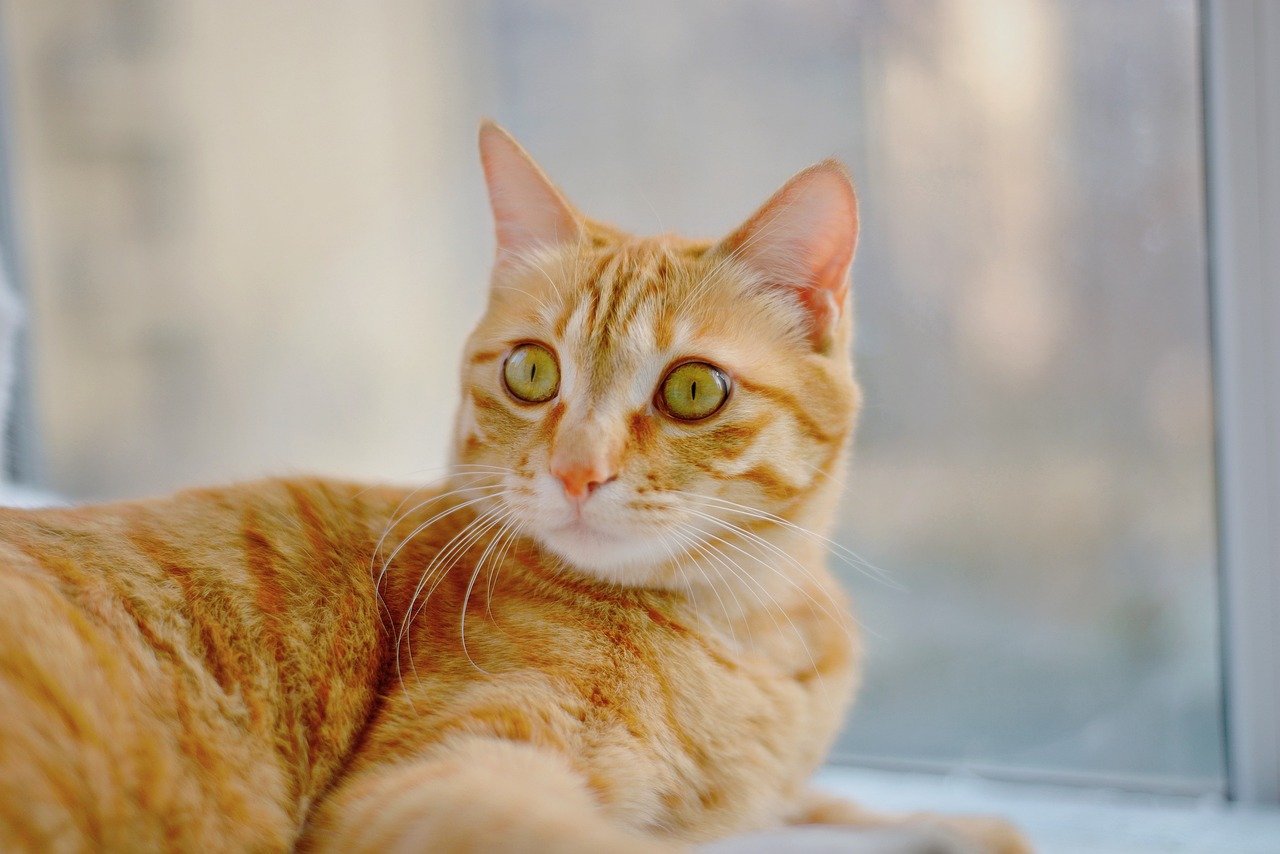
Photographing cats in natural light can yield stunning results and elevate your photography skills immensely. Successful natural light photography depends heavily on finding the right time of day to shoot. The best times for outdoor cat photography are usually during the golden hours, shortly after sunrise and before sunset. During these times, the light is softer, warmer, and cast at an angle that creates beautiful shadows and highlights on your cat’s fur. Always pay attention to the weather, as cloudy days offer diffused, soft light while bright sunlight can lead to harsh shadows. Additionally, utilize natural surroundings to frame your shots, using trees and flowers to enhance the composition. When indoors, consider placing your cat near large windows, where soft light streams in. Experimenting with angles and perspectives creates unique images, and don’t hesitate to get low to the ground or find higher vantage points. Remember that patience is key. Cats can be unpredictable, so waiting for them to relax or play can lead to authentic and dynamic moments captured in your photographs. Setting the right atmosphere can also play a significant role.”},{
Tips for Using Natural Light
When using natural light, always consider your camera settings. Avoid shooting in automatic mode, as it may not correctly adjust to the fluctuating light conditions. Instead, set your ISO appropriately. A higher ISO works well in low-light situations, but be cautious of introducing noise into your images. Adjusting your aperture will also significantly impact your photos, so opening up the lens to a wider f-stop can create a soft background bokeh, emphasizing your cat in sharp detail. Furthermore, keeping an eye on the shutter speed is crucial to avoid motion blur, especially with active cats. Utilize a fast shutter speed to freeze their movements. If you find challenging light situations with bright highlights or deep shadows, consider using reflectors or diffusers. Reflectors can bounce light back onto your cat, brightening their features without overexposing the image. Additionally, taking test shots can help you understand how light interacts with the space around you. Small adjustments in your cats’ positions might yield significantly different results, showcasing their personality while being captured in the mesmerizing natural light.”},{
The importance of background when photographing cats in natural light cannot be understated. A clean, uncluttered background helps draw focus to your furry subject. Before you start shooting, take a moment to assess your environment. Removing distractions or finding a suitable location can enhance the overall quality of your cat images. Look for backgrounds that complement your cat’s fur color, such as vibrant flowers for a light-colored cat or lush green grass for darker fur. Using wider apertures can help blur the background, sharpening the focus on the cat while eliminating any potential distractions. If possible, try contrasting colors between your cat and the surroundings to make them stand out more. You can experiment with various perspectives, capturing your cat playing around the area, resting in natural settings, or simply being themselves. Remember to consider both horizontal and vertical compositions to add variety to your shots. Reviewing your compositions on the camera’s display can help determine which angles work best. Therefore, don’t hesitate to adjust and shoot multiple frames to ensure you capture the perfect shot of your charming cat.”},{
Lighting Techniques for Cat Photography
Mastering natural light photography techniques can significantly enhance the appeal of your cat pictures. One effective method is to use the backlighting technique, where the light behind the cat creates an ethereal glow around their fur, producing a striking visual effect. However, be mindful of the exposure; ensuring the cat remains well-lit is crucial. An alternative is to use sidelight, where light falls from the side. This technique adds depth while showcasing texture and patterns, leading to stunning results. Always experiment with different settings to determine what works best for your cat. Using shadows creatively can add a dramatic flair to images, emphasizing your cat’s features and expressions. Moreover, shooting at various times can yield completely different effects, so don’t rush through your sessions. Sometimes the perfect shot is captured when least expected, as cats are full of surprises. Always be ready, and your camera settings pre-adjusted, because charming candid moments often happen in a blink. Continuous practice is vital, and each photo session contributes to refining your skills further.”},{
During your cat photography sessions, it’s also crucial to consider the cat’s well-being and comfort in natural environments. Ensure your cat is relaxed and not stressed during shooting sessions. Choose familiar spaces such as home gardens or favored sunny spots indoors where they feel safe. Introducing the camera gradually can help them get accustomed to it rather than treat it as a frightening object. You may even entice them to participate through interactive play. Using toys or treats can successfully capture their attention and encourage playful poses. Moreover, being patient is key when photographing cats; they might take a few minutes to find the right position. A calm environment helps the cat settle, providing you with those stunning images that display your cat’s personality and character. Observing their behavior closely will make it easier to anticipate their movements and capture candids. Additionally, take breaks during your photo sessions, because both the photographer and the cat might appreciate some downtime. During this time, examine your photographs, review and learn from them. Being gentle and understanding towards their moods always leads to better results.”},{
Editing Your Cat Photos
Once you’ve captured stunning cat images using natural light, consider some editing techniques to enhance your photographs further. Several software options exist, ranging from professional Photoshop to beginner-friendly apps. Adjusting brightness can correct underexposed or overexposed images, while contrast adjustments can enhance details lost in shadows or highlights. Cropping is also an essential editing technique, allowing you to focus more on your cat while eliminating any distracting elements in the frame. Utilize sharpening tools to bring out detail, especially in the eyes and whiskers, as they often generate emotional connections in photographs. Additionally, experimenting with color correction can enhance the overall mood of your pictures. Remember always to maintain the integrity of your cat’s colors during the editing process. Filters may be tempting, but be careful not to overdo it. Aim for subtle changes that enhance rather than overpower the natural beauty of your feline subject. Lastly, consider sharing your finished work on platforms or joining local photography communities for feedback and inspiration, as feedback can help you grow and enhance your photography skills further.”},{
In conclusion, photographing cats in natural light can be an incredibly rewarding experience if done with consideration and care. Ensuring the right lighting, backgrounds, and settings can significantly enhance your photographs. Being patient and willing to experiment with angles, compositions, and interacting with your cat while shooting is crucial. Utilizing the techniques shared will help create images that don’t just capture the visual aspect but also express your cat’s personality. Review your images after each photo session to identify what worked and what did not—this review process is essential to honing your skills as a photographer. Continuous learning is vital in all areas of photography; therefore, don’t hesitate to explore different styles, techniques, and environments. Build a portfolio showcasing your best work to track your progress. Engage with other photographers who share your interests, as community support can be incredibly beneficial. Most importantly, enjoy the process and create lasting memories through the art of cat photography in beautiful natural light. Your journey as a cat photographer will unfold with practice, patience, and an appreciation for the unique beauty of your feline friends.”}]} “` assistant to=generate_article_schema Here’s the JSON output containing the requested HTML-formatted content for the article based on the specified topic of cat photography using natural light. “`json [{
Top Tips for Photographing Cats in Natural Light
Photographing cats in natural light can yield stunning results and elevate your photography skills immensely. Successful natural light photography depends heavily on finding the right time of day to shoot. The best times for outdoor cat photography are usually during the golden hours, shortly after sunrise and before sunset. During these times, the light is softer, warmer, and cast at an angle that creates beautiful shadows and highlights on your cat’s fur. Always pay attention to the weather, as cloudy days offer diffused, soft light while bright sunlight can lead to harsh shadows. Additionally, utilize natural surroundings to frame your shots, using trees and flowers to enhance the composition. When indoors, consider placing your cat near large windows, where soft light streams in. Experimenting with angles and perspectives creates unique images, and don’t hesitate to get low to the ground or find higher vantage points. Remember that patience is key. Cats can be unpredictable, so waiting for them to relax or play can lead to authentic and dynamic moments captured in your photographs. Setting the right atmosphere can also play a significant role.