
Understanding Breed-Specific Behavioral Traits in Dogs
Dogs are beloved companions, but each breed harbors unique behavioral traits that make them different from each other. Understanding these traits is essential for any dog lover or owner. One of the most significant influences on a dog’s behavior is its breed heritage. Different breeds have been developed for specific tasks, traits, and environments, which play a crucial role in shaping their behavior. For example, herding breeds such as Border Collies possess strong instincts to chase and control other animals. On the other hand, hunting breeds like retrievers are known for their affinity towards retrieving, exemplifying their loyalty and eagerness to please. This depth of knowledge allows owners to provide better care and training, leading to improved relationships between dogs and their humans. Additionally, societal perceptions and myths surrounding certain breeds often influence people’s behavior towards them, including adoption decisions. Understanding breed-specific traits can combat these misconceptions, ultimately helping dogs find suitable homes. By recognizing these characteristics, we can create a harmonious environment conducive to both the dog and owner. Thus, it becomes vital to invest time in understanding breed characteristics for optimal pet care.
Among the myriad breeds, behavioral traits can broadly be categorized into temperamental categories. These traits often dictate how dogs interact with their environment and their owners. For instance, guard dogs like Rottweilers and German Shepherds exhibit a protective nature, making them ideal watchdogs. However, such instincts can sometimes lead to assertive behaviors if not appropriately managed. Conversely, smaller breeds like Chihuahuas may exhibit more anxious or feisty behaviors due to their size and past breeding experiences. Some breeds, such as Golden Retrievers and Labradors, are renowned for their friendly demeanor and sociability, making them excellent family pets. Understanding these friendships and alliances helps owners integrate their dogs into social situations and public interactions. Additionally, toy breeds tend to thrive more with personal attention and can develop separation anxiety. A well-rounded comprehension of these behavioral tendencies will empower owners to mitigate potential behavioral issues. Training becomes more effective when tailored to the breed’s inherent traits, taking advantage of their natural tendencies. Thus, recognizing these categories aids not just in managing behaviors but also in enhancing the bond between the owner and dog, fostering understanding and trust.
The Role of Environment in Behavioral Traits
The environment plays a crucial role in shaping the behavior of dogs. Various factors contribute to how a dog expresses its breed-specific traits. Socialization during their critical developmental period between three weeks and sixteen weeks, provides them exposure to diverse environments, people, and experiences. This exposure can either enhance their social skills or lead to fearful reactions. Dogs that interact with various stimuli regularly tend to develop more balanced temperaments than those that are isolated or exposed to minimal stimuli. For instance, a well-socialized dog is more likely to exhibit confidence and adaptability in new situations, making it a pleasant companion. Conversely, a dog that has not experienced enough socialization might demonstrate aggressive or overly timid behaviors, raising concerns for owners. Creating a safe space that allows for gradual exposure to different sounds, sights, and experiences greatly benefits behavioral adjustments. Moreover, access to outdoor spaces for exercise can help in expending energy, which can reduce behavioral issues stemming from boredom or excess energy. Consequently, nurturing the right environment leads to healthier interactions and fosters the dogs’ overall psychological well-being.
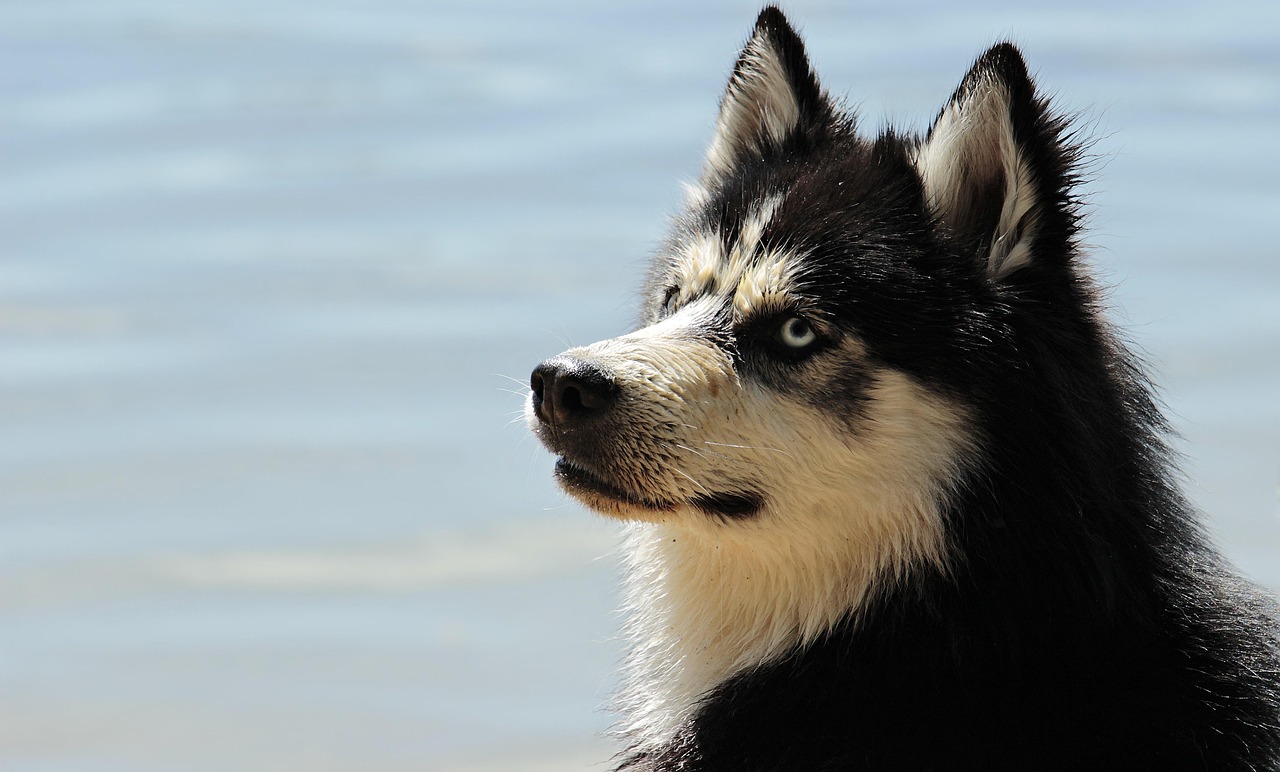
Another angle to explore is the impact of training methodologies on breed behavior. Different breeds respond uniquely to various training techniques, largely influenced by their inherent instincts and traits. For example, hound breeds are often more independent, requiring more patience and creativity in training approaches. Training a breed like a Siberian Husky may need different tactics compared to a working breed like a Boxer. Using positive reinforcement through treats and praise, often leads to better results than using punitive techniques. Dogs that perceive training as a negative experience may develop behavioral issues such as anxiety or fearfulness. Owners should tailor training strategies to accommodate their dog’s behavioral history and breed characteristics. Throughout this process, consistency is key, as certain breeds benefit from structured learning. Agility training can particularly benefit active breeds by channeling their high energy into productive tasks. Incorporating fun into training sessions can also improve the experience for both owner and dog, fostering a more profound bond. Therefore, understanding how different breeds learn and behave allows owners to create engaging, effective training tricks that bring out the best in their pets.
Behavioral Traits and Health Implications
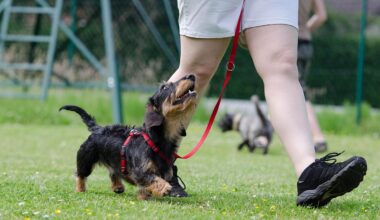
Behavioral traits are often intertwined with health implications unique to specific breeds, making awareness essential for dog owners. Some breeds are predisposed to certain health issues that can directly influence their behavior. For example, large breeds, such as Great Danes, may be more prone to joint problems, resulting in lethargy or a reluctance to engage in physical activities. This can create a perception of stubbornness, whereas the animal might be experiencing pain or discomfort. Conversely, small breeds like Dachshunds can display heightened anxiety due to their monitoring instinct, leading to excessive barking or nervous behaviors. Owners can proactively manage these issues through routine veterinary care, physical exercise, and behavioral training. Moreover, providing adequate mental stimulation through toys and puzzles can also alleviate pent-up energy and anxiety. By comprehensively understanding the health considerations associated with their breed, owners can modify expectations and introduce supportive strategies, paving the way for a happier and healthier canine companion. Therefore, recognizing this link between behavior and health fosters a more responsible approach to dog ownership, emphasizing preventive measures and better communication.
Additionally, genetics play a vital role in shaping a dog’s behavior. Research indicates that certain traits can be inherited, influencing how dogs behave in various situations. For instance, breeds developed for specific tasks such as herding, hunting, or guarding may reflect traits passed down through generations. Genetics also affect temperament; some dogs may naturally exhibit a predisposition to be more energetic, while others may lean toward being calm and relaxed. While environmental factors such as training and socialization influence behavior, the underlying genetic traits set a baseline for potential characteristics. Breeds like Bulldogs may showcase laziness in general, while Collies might demonstrate boundless energy and playfulness. Purchasers should be aware of these traits when choosing a breed, emphasizing long-term compatibility with their lifestyles. Responsible breeding practices strive to enhance desirable traits while diminishing potential behavioral problems that could arise. Thus, recognizing the interplay of genetics in behavioral characteristics can guide owners toward making more informed decisions about selecting or adopting a dog.
Conclusion: Tailoring Care to Breed-Specific Traits
In conclusion, understanding breed-specific behavioral traits encourages better communication and relationships between dogs and their owners. This knowledge opens a pathway to developing better training techniques, environmental management, and health considerations tailored to specific needs. Each breed’s distinct characteristics contribute to the richness of our interactions, reflecting their unique histories and purposes through the ages. Owners must recognize how these traits can manifest in daily life, paving the way for constructive engagement. For example, owners of high-energy breeds should prioritize physical activity, while those with more relaxed breeds may emphasize companionship and affection. Engaging with a dog based on its inherent traits results in more rewarding experiences, enhancing the bond. Furthermore, addressing the needs derived from these traits sets the standard for optimal health and behavior, ultimately leading to well-adjusted pets. As the dog training and pet care industries evolve, continuing education on breed behavior remains essential for all owners. By committing to this understanding, everyone can provide a loving environment where dogs can thrive, living fulfilling lives alongside their human companions.
By embracing the nuances of breed-specific behavioral traits, owners can enhance their experience with dogs of any breed. Awareness translates to better decision-making for pet selection and investment into necessary training techniques, fulfilling the needs of dynamic canine personalities. Emphasizing supportive environments through appropriate handling and constant engagement not only fosters mental and physical health but also strengthens that bond. This responsibility comes with the beautiful journey of bringing home a dog and devotion toward understanding their unique characteristics. Thus, instilling this awareness in the community at large ultimately results in improved perceptions of dogs across various breeds.