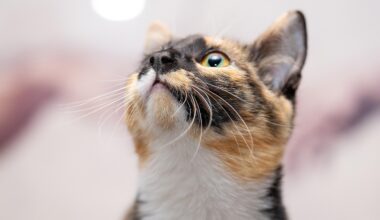

Nutritional Differences Between Indoor and Outdoor Cats
Cats possess unique dietary needs that can greatly differ based on their living conditions. Indoor cats, often less active than their outdoor counterparts, tend to require a diet that supports a sedentary lifestyle. Numerous factors influence their nutritional requirements, including activity level, age, and overall health. A high-protein, low-carbohydrate diet is typically recommended for all cats, but the energy needs for indoor cats can be lower. Additionally, properly formulated commercial indoor cat foods are available, aiming to help control weight while providing necessary nutrients. Indoor cats may face challenges, such as being less stimulated and gaining weight. Therefore, owners must ensure their indoor cats receive proper nutrition but also monitor their weight closely. Providing specific indoor cat diets can aid in maintaining optimal health. On the other hand, outdoor cats, engaging in more physical activities, typically require a different balance of nutrients. These cats may benefit from higher protein diets that fuel their active lifestyles and aid in the development of muscles. Thus, understanding the importance of diet for both indoor and outdoor cats is crucial in promoting their overall health.
Outdoor cats have distinct eating habits shaped by natural instincts and environmental factors. They tend to show wear and tear due to the challenges they face outdoors, such as hunting and competing for food. As these cats engage in increased physical activity, they may require a greater caloric intake than their indoor counterparts. An outdoor cat’s diet should primarily consist of protein-rich foods derived from animal sources, effectively supporting their energy needs. Cat owners with outdoor pets must ensure they provide a balanced diet that keeps up with these energy demands. Many outdoor cats can still experience weight issues despite being active, especially if food intake is uncontrolled. Consulting with a veterinarian can help formulate an ideal diet for an outdoor cat to maintain energy levels without excessive weight gain. Furthermore, it’s essential to choose high-quality cat food that contains essential nutrients like vitamins and minerals. In addition, an outdoor cat may benefit from dietary supplements to foster overall well-being. Ultimately, the nutritional differences between indoor and outdoor cats can be determined by understanding their unique habits, health requirements, and activity levels.
Understanding Protein Needs for Cats
Protein serves as a cornerstone nutrient for all cats, but their protein needs can differ based on their environment. Indoor cats typically require less overall protein than outdoor cats due to their lower activity levels. However, that doesn’t mean indoor cats should skimp on this critical nutrient. It’s vital to provide high-quality protein sources to maintain muscle mass, organ function, and overall energy. Foods rich in animal protein are optimal, and pet owners should scrutinize labels to prioritize high-quality ingredients. Conversely, outdoor cats often engage in activities like climbing, running, and hunting. This cemented need for protein stems from their increased metabolism. Outdoor cats burn energy more quickly and, therefore, benefit from protein-rich diets to sustain their high energy output. Moreover, protein plays a critical role in repairing tissues and supporting hair growth, vital for outdoor cats exposed to various elements. Meeting their protein requirements adequately can prevent weight loss or muscle deterioration. The adjustment in protein intake showcases the necessity for pet owners to align their cats’ diets with their unique lifestyle choices, ensuring they receive appropriate nourishment tailored to their circumstances.
In addition to protein, the fat content in a cat’s diet also plays a significant role in their overall health. Fats are essential for numerous body functions, including maintaining healthy skin and a shiny coat. Indoor cats, with limited exercise, typically require a moderate fat intake to support daily energy needs without leading to obesity. Excessive fat consumption can lead to unwanted weight gain, which is crucial for owners of indoor cats to monitor closely. Foods designed specifically for indoor cats often have reduced fat content to accommodate for their lesser activity levels. This helps control their weight while still providing sufficient energy to thrive. On the other hand, outdoor cats benefit from a diet with higher fat levels as they require more energy to engage in physical activities such as hunting and exploring. Healthy fats, like omega-3 and omega-6 fatty acids, help maintain energy levels while supporting the immune system. Therefore, balanced dietary fat is essential for outdoor cats to avoid fatigue and health complications. Owners should ensure the appropriate fat levels are tailored based on the cat’s lifestyle, weighing the critical roles that fats play in their health.
Carbohydrates in Cat Diets
Carbohydrate needs in cats are another factor that can vary based on lifestyle. Cats are classified as obligate carnivores, meaning their primary source of energy should stem from proteins and fats rather than carbohydrates. However, some carbohydrate intake is necessary for a balanced diet. Indoor cats have a relatively lower requirement for carbohydrates due to their nature of engaging less in physical activity. Selecting cat food formulated for indoor cats can help control carbohydrate content while still providing essential vitamins and minerals. Furthermore, excessive carbohydrates can lead to health issues such as obesity or diabetes, which are prevalent among indoor cats. Outdoor cats, while still requiring limited carbohydrates, may possess a greater need for quick energy sources during bursts of activity. While navigating their environments, outdoor cats may consume small amounts of plant material but should primarily focus on protein sources. The key to successful nutrition for both indoor and outdoor cats lies in understanding how each cat metabolizes these nutrients and adjusting their diets accordingly. Selecting the right product tailored to their specific needs can help maintain their overall well-being and health.
Water intake is another vital aspect of feline nutrition often overlooked by pet owners. Proper hydration is crucial for all cats, but the differences between indoor and outdoor cats can influence their water needs. Indoor cats usually have a more sedentary lifestyle and may be less stimulated to drink water compared to their outdoor counterparts. Encouraging indoor cats to consume water can help reduce the risk of urinary problems, such as crystals or urinary tract infections. Owners can promote hydration by providing fresh, clean water daily along with wet food options. When cats consume both kibble and moist food, they can maintain a balanced hydration level. Outdoor cats, on the other hand, often engage in activities that elevate their thirst levels. Their higher energy expenditure and exposure to the elements can lead to increased water consumption. Even for those cats, it’s essential to ensure that the sources of water remain accessible and clean. Overall, monitoring and ensuring adequate water intake for both indoor and outdoor cats contributes significantly to their overall health and well-being. The focus on hydration should be part of every cat owner’s commitment to their furry companions.
The Role of Supplements
While a well-rounded diet typically provides sufficient nutrition for indoor and outdoor cats, some may benefit from supplements. Indoor cats might need additional vitamins or minerals to combat health issues linked to inactivity. Supplements can help target specific nutritional gaps, which may contribute to overall well-being. For example, adding taurine, an amino acid crucial for cat health, may improve heart function for indoor cats. Choosing high-quality supplements backed by veterinary guidance is essential to ensure effectiveness. Alternatively, outdoor cats could require various supplements to strengthen their immune system or joint health. They face higher exposure to environmental threats, and proactive supplementation may lead to better overall health. Certain conditions may arise due to more vigorous lifestyles, which can benefit from glucosamine or omega fatty acids. Tailoring supplements to each cat’s unique needs is vital, and consulting with a veterinarian can guide proper supplementation choices. Ultimately, discussing dietary adjustments and supplement strategies can significantly improve the health and vitality for both indoor and outdoor cats, helping them thrive in their respective environments.