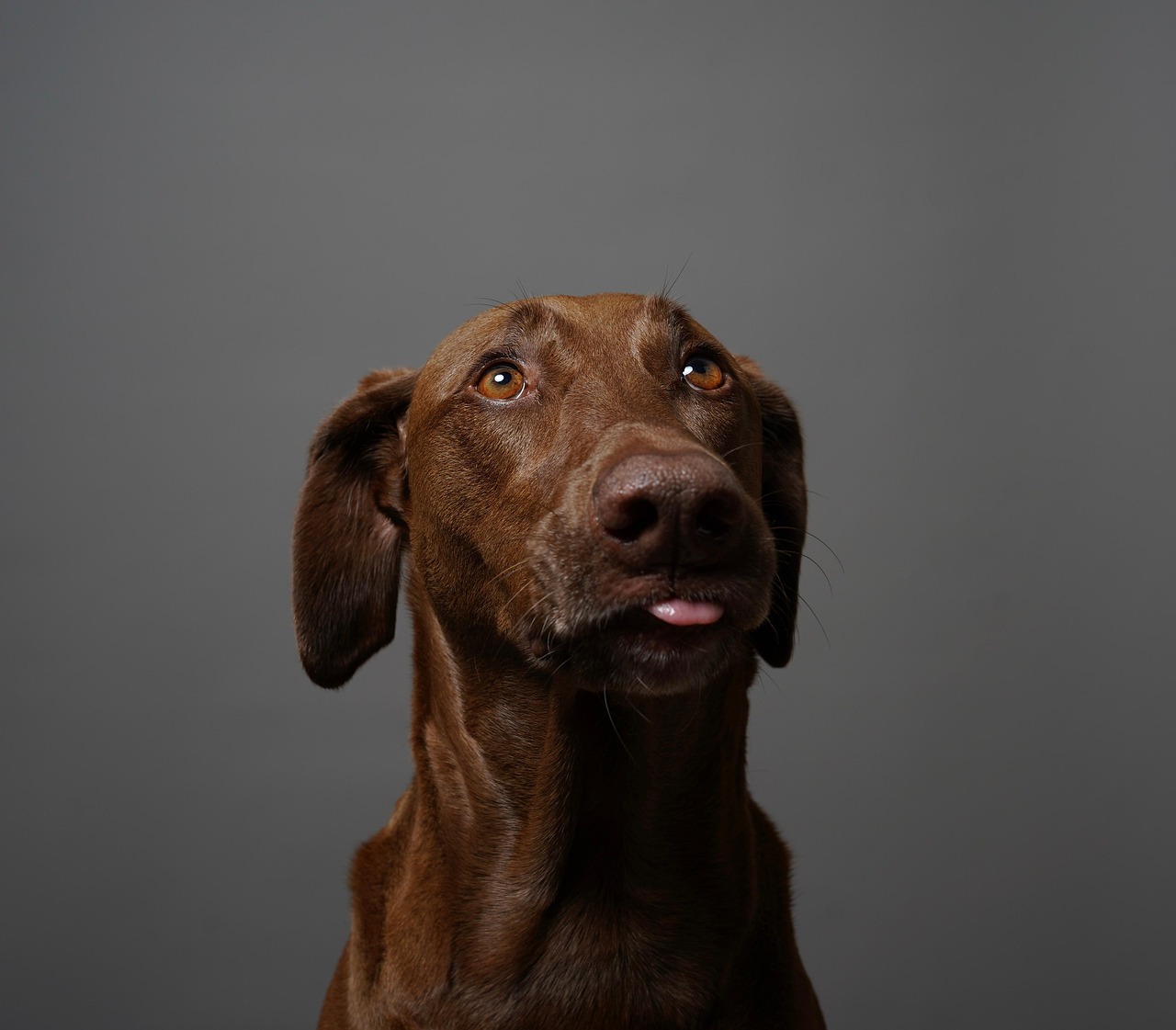

Enhancing Dog Portraits with Studio Lighting
Dog photography allows you to capture the unique personality of your canine companion. Using artificial light in your photography can dramatically enhance the quality of your dog portraits. Artificial lights, such as strobes, softboxes, and continuous lights, provide more control over the lighting setup than natural light. This control helps reduce shadows and harsh highlights, leading to crisper, more vibrant images. When positioning your lights, consider the angle from which the light strikes the dog. Front lighting can make colors pop while side lighting can emphasize texture and details in the fur. Don’t forget about using reflectors to bounce light onto the dog, softening shadows and creating a delightful effect. Experimenting with different lighting techniques, such as Rembrandt or butterfly lighting, can add depth and drama to your portraits. Having your dog in a well-lit area allows for smoother focus and better exposure settings with your camera. In this guide, you will learn techniques and tips to leverage artificial lighting in creating stunning dog portraits that showcase your pet in a whole new light.
To create captivating dog portraits, it is essential to understand the fundamentals of artificial lighting. Start by choosing the right light source for your photography style. For instance, strobe lights provide powerful bursts of light that can freeze motion if your dog is active. Alternatively, using softer lights, like continuous LED panels, can create a warm and inviting atmosphere for your dog photography sessions. Make sure to experiment with different light intensities to see which one works best for your pet’s fur texture and color. Additionally, adjusting the color temperature can help maintain a natural and aesthetically pleasing appearance. It’s important to keep in mind that too much light can wash out your dog’s features. Hence, using a dimmer or a lower ISO setting might be necessary. If studio space is limited, consider investing in portable softboxes or umbrella kits that can easily fit in small spaces. These tools can help in diffusing harsh lighting, achieving that professional look. Pay close attention to your dog’s mood during the shooting process, as comfort is crucial for capturing genuine expressions.
Lighting Techniques for Dog Photography
There are several effective lighting techniques that can elevate your dog photography. Side lighting is one of the most recommended approaches. This technique involves positioning the light source at a 90-degree angle to your dog. It accentuates the texture of the fur and creates dramatic shadows that add interest to the composition. Another popular technique is backlighting, which involves illuminating your dog from behind. This technique often results in a rim light effect, enhancing the outline of your dog and creating a magical halo effect. It’s particularly effective when photographing dogs in action, as it can capture movement beautifully. If you’re shooting close-ups, consider using a ring light. This type of lighting hits the subject evenly from all sides and minimizes shadows, ensuring a clear capture of your dog’s face. Don’t overlook the benefits of experimenting with colored gels on your light sources. These gels can add a creative flair to the portraits, making them stand out. By practicing these various techniques, you’ll soon find the style that works best for you and your canine portraiture.
When working with artificial light, setting up your shooting environment properly is crucial for achieving the best results. Start by considering the background where you will photograph your dog. Opt for a simple backdrop that contrasts with your dog’s fur color to make them pop in the images. Solid colors or subtle patterns usually work well. Ensure your environment is calm; distractions can affect your dog’s behavior during the shoot. To create a professional look, arrange your lights in a way that highlights your dog’s features without overwhelming them. Key lights should be prominent, while fill lights soften shadows to create depth. Take test shots to adjust the lighting until you find the perfect balance. Also, remember to play with various angles; sometimes, shooting from a lower angle can create a more engaging perspective. Keep treats or toys handy to encourage your dog to assume flattering positions. Patience is vital—allow your dog to relax in front of the camera while gradually introducing the lighting setup. With practice and adaptability, your portraits will undoubtedly reflect the true character of your beloved pet.
Post-Processing Techniques
Post-processing is an integral part of dog photography that allows you to refine your images further. After capturing your dog portraits with studio lighting, importing your photos into editing software is crucial. Adjusting exposure levels is typically one of the first steps. Brightening or darkening certain areas can help balance the overall image without disturbing the natural look of your dog. Be cautious with color corrections, ensuring they don’t alter your pet’s natural fur color. Tools for spot healing and clone stamping can help eliminate distractions in the background. Additionally, many photographers utilize sharpening tools to emphasize the details in your dog’s eyes and fur, drawing viewers’ attention. Consider using a blur effect on the background to create a bokeh effect that will allow your dog to stand out even more. Experiment with various filters, but avoid over-editing, as maintaining authenticity is vital in animal photography. You can also enhance the overall mood by adjusting contrast and saturation. After editing, your images should exhibit the perfect blend of professionalism and warmth that showcases the true beauty of your furry friend.
When it comes to promotional strategies, showcasing your dog photography can take your business to the next level. Utilize social media platforms to share your stunning portraits and engage with fellow dog lovers. Create an account dedicated to your dog-related photography, using relevant hashtags to widen your audience. Platforms like Instagram allow you to showcase your skill in different ways, whether through carousel posts or stories. Build a portfolio website that highlights your best work, including sections for testimonials and the services you offer. Attend local pet events and markets, offering live shoots to attract potential clients. Consider creating special promotional packages specifically for pet owners, making your services more appealing. Collaborating with local pet shops or dog trainers can also help to boost your visibility within the pet community. Don’t hesitate to reach out to dog rescue organizations to offer discounted sessions; this can generate goodwill and exposure, as pet owners often appreciate the value behind these initiatives. Remember that the quality of content matters more than quantity, so take the time to curate the best shots that reflect your commitment to capturing dogs’ unique stories.
Final Thoughts
In conclusion, mastering the art of using artificial light in dog photography can significantly enhance your portraiture. By understanding various lighting techniques, equipment choices, and post-processing strategies, you can capture the unique personality of each pup you photograph. Remember that practice, patience, and a keen understanding of your subject are paramount in achieving stunning portraits. Every dog is different and requires a tailored approach to elicit their best expressions. Invest time in learning how to manipulate light creatively and studying your dog’s reactions can lead to fabulous results. Don’t hesitate to analyze your work critically, seeking improvements for future shoots. By building a solid portfolio, you will be well-equipped to attract new clients and showcase your distinct style. Embrace the challenges that come with dog photography, as each session offers a chance to grow your skills and affinity for these furry companions. As you capture their spirits through your lens, you’re not only preserving memories but also celebrating the wonderful bond between pets and their owners. Enjoy this rewarding journey as you continue to develop your craft and elevate your dog photography.
As you continue to embrace dog photography as an art form, always remember that each session presents its own unique experiences and learning opportunities. Bringing together creative artificial lighting, genuine emotion, and a strong understanding of your subject enhances not just your photography practice but also creates memories that others can cherish. Whether you’re capturing the playful antics of a puppy or the poised elegance of an older dog, your ability to control light will significantly impact the outcome of the portraits. Emphasizing their features, and personalities allows for an array of creative expressions in your work. Develop your distinctive style by experimenting with diverse lighting setups and editing techniques. The more knowledge you gain about artificial lighting and its application in dog photography, the more you will elevate your compositions. Moreover, don’t forget the power of connecting with fellow photographers and dog enthusiasts—participating in workshops can open doors to new ideas and perspectives. With perseverance and passion driving your pursuit of dog photography, you’re well on your way to creating images that celebrate the beauty within each canine companion.