
Environmental Factors That Encourage Dog Chewing
Dog chewing is a common behavior that can be influenced by various environmental factors, which pet owners should understand. A poorly structured environment can lead to increased boredom and subsequent chewing. Firstly, a lack of stimulation is a significant contributor; dogs need both physical and mental stimulation to stay engaged. If they aren’t engaged, they often resort to chewing furniture, shoes, or other household items. Secondly, anxiety is another factor; if a dog is anxious due to changes in their environment or schedule, they may chew to cope. Providing a safe, consistent atmosphere goes a long way in minimizing such behavior. Thirdly, the arrangement of your space matters as well; items that encourage chewing should be placed out of reach. Additionally, chewing can be a natural behavior rooted in their instinct to explore and gather information from their surroundings. Knowing what to expect and how to manage an environment is essential in establishing a peaceful coexistence. Last but not least, providing appropriate chew toys helps redirect this instinctual behavior and minimizes damage to personal belongings.
On top of physical environment factors, social factors also play a vital role. Dogs are social creatures that thrive on companionship and interaction. If a dog feels isolated or lonely, they may chew out of boredom or stress. This is why it is essential for dogs to have regular playtime and socialization with both humans and other dogs. Engaging them in activities like playing fetch or teaching new commands keeps them mentally stimulated and reduces the likelihood of undesired chewing behaviors. Another essential point relates to training; consistent positive reinforcement helps dogs learn acceptable behaviors. When a dog understands what is appropriate to chew, there is a lesser chance for destructive chewing. Moreover, the emotional state of the owner may also impact the dog’s behavior; if an owner is stressed or anxious, dogs can pick up on this and reflect similar behaviors. Therefore, creating a calm and nurturing environment can lead to happier and less destructive dogs. If you suspect your dog’s chewing may arise from environmental stress, consider modifying their surroundings or consult a vet for advice.
The Role of Chew Toys
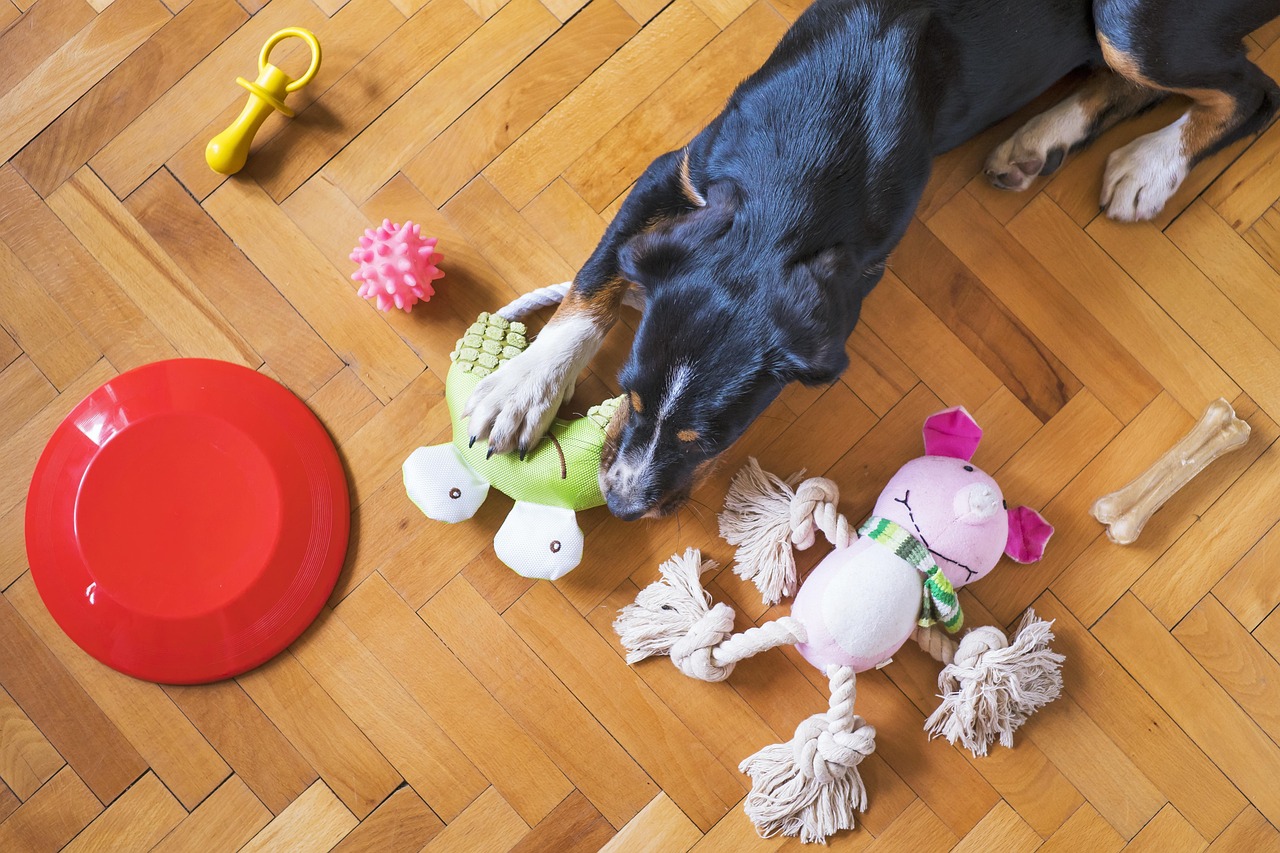
Introducing various types of chew toys can help redirect a dog’s chewing instincts effectively. Providing allowed items for chewing plays an essential role in curtailing unwanted behaviors. Toys should be made of durable materials and should be appropriate for your dog’s size and chewing strength. For instance, softer toys might be appropriate for puppies, while heavy chewers may require more robust options. Chew toys not only satisfy the urge to chew but also promote dental health, reducing tartar buildup and preventing gum disease. Regularly rotating chew toys ensures that the dog does not lose interest in them, thus maintaining their effectiveness as tools for behavioral correction. Additionally, consider offering interactive toys that promote problem-solving; these types of toys engage your dog’s mind and body, further alleviating boredom. Furthermore, some toys can dispense treats, making them much more appealing to dogs. Owners should observe their pets’ preferences, as some dogs might have specific tastes in textures or shapes. Being attentive to these preferences can enhance the benefits of providing chew toys and ensure less destructive behavior overall.
Another key aspect in managing dog chewing behavior involves ensuring proper exercise. Regular physical activity encourages healthy behaviors and combats boredom. Dogs require daily walks and play sessions to expend their energy; without this, they may resort to chewing household items to release pent-up energy. A well-exercised dog will likely be calmer and less prone to destructive habits. If walking isn’t an option, alternative activities like playing tug-of-war or hide-and-seek can also work wonders. Interactive games can be tailored to fit within your living space and keep the dog engaged. Furthermore, those with busy schedules can also utilize daycare services, which provide structured play and socialization for dogs. By investing time into an effective exercise routine, you contribute to a more relaxed atmosphere at home, alleviating potential chewing issues. It’s worth noting that high-energy breeds, such as Border Collies or Labrador Retrievers, typically need more exercise compared to less active breeds. Therefore, owners should tailor exercise levels based on their dog’s needs. With consistent effort in these areas, you can significantly reduce undesirable chewing behavior.
Impact of Separation Anxiety
Separation anxiety can greatly influence chewing behavior, prompting dogs to chew or destroy items when left alone. It often stems from insecurity or past experiences that instilled fear of abandonment. Recognizing these signs is the first step toward mitigating this issue. It is important to gradually acclimatize dogs to being alone through short separations, progressively increasing the duration over time. Offering comforting items, such as a piece of your clothing, can help them feel secure. Many owners find success in employing crate training as it provides a safe space for the dog. However, the crate should be used positively and never as a punishment; this helps the dog associate their crate with comfort. Additionally, it can be beneficial to leave the dog with interactive toys or puzzles while away. These activities will keep them occupied and minimize the desire to chew on furniture or shoes. If anxiety persists despite these strategies, consider consulting a professional dog trainer or behaviorist. They can provide tailored approaches to address specific needs and ultimately improve your dog’s well-being and behavior.
Your home environment also plays a critical role in encouraging chewing behaviors. Loose items, such as shoes, papers, or cords should be stored properly to minimize their accessibility. Dogs often chew objects that they find lying around; hence, having a tidy home can significantly reduce potential chewing targets. Furthermore, using safe deterrents can also help; applying bitter sprays to furniture or shoes can discourage dogs from chewing on them. Also, consider creating a designated ‘dog-proof’ area where your dog can safely play without covertly destroying your belongings. Chewing is not always a sign of misbehavior; it’s often an expression of curiosity, boredom, or anxiety. By understanding the motivations behind the behavior, you can take actionable steps to alleviate the unnecessary chewing. Structures or barriers might also help; blocking off rooms that contain valuable items can keep your dog from accessing those areas. Ultimately, consistent management of the environment aligns behavior with expectations and creates a harmonious living situation, benefiting both the dog and the owner.
Conclusion on Managing Chewing Behavior
In summary, managing dog chewing behaviors effectively entails a multi-faceted approach regarding environmental factors. As owners, it’s crucial to recognize and rectify elements in your dog’s environment that contribute to undesirable chewing. Ensuring proper stimulation through mental and physical exercises, providing chew toys, and managing separation anxiety are integral strategies. Moreover, creating a clutter-free space diminishes the likelihood of your dog engaging in chewing habits that lead to destruction. Remember, dogs often communicate through their behavior, whether through chewing or barking. By observing, understanding, and adjusting their environment according to their needs, owners can build a supportive atmosphere that minimizes unwanted chewing. If the problem persists, seeking professional help may be necessary. Consulting behavior specialists can provide tailored plans to address specific chewing challenges. Ultimately, the goal is to foster a supportive, nurturing environment that promotes better behavior and enhances the bond between you and your dog. A happy dog leads to a happier home; this is a rewarding journey that requires commitment and attention.