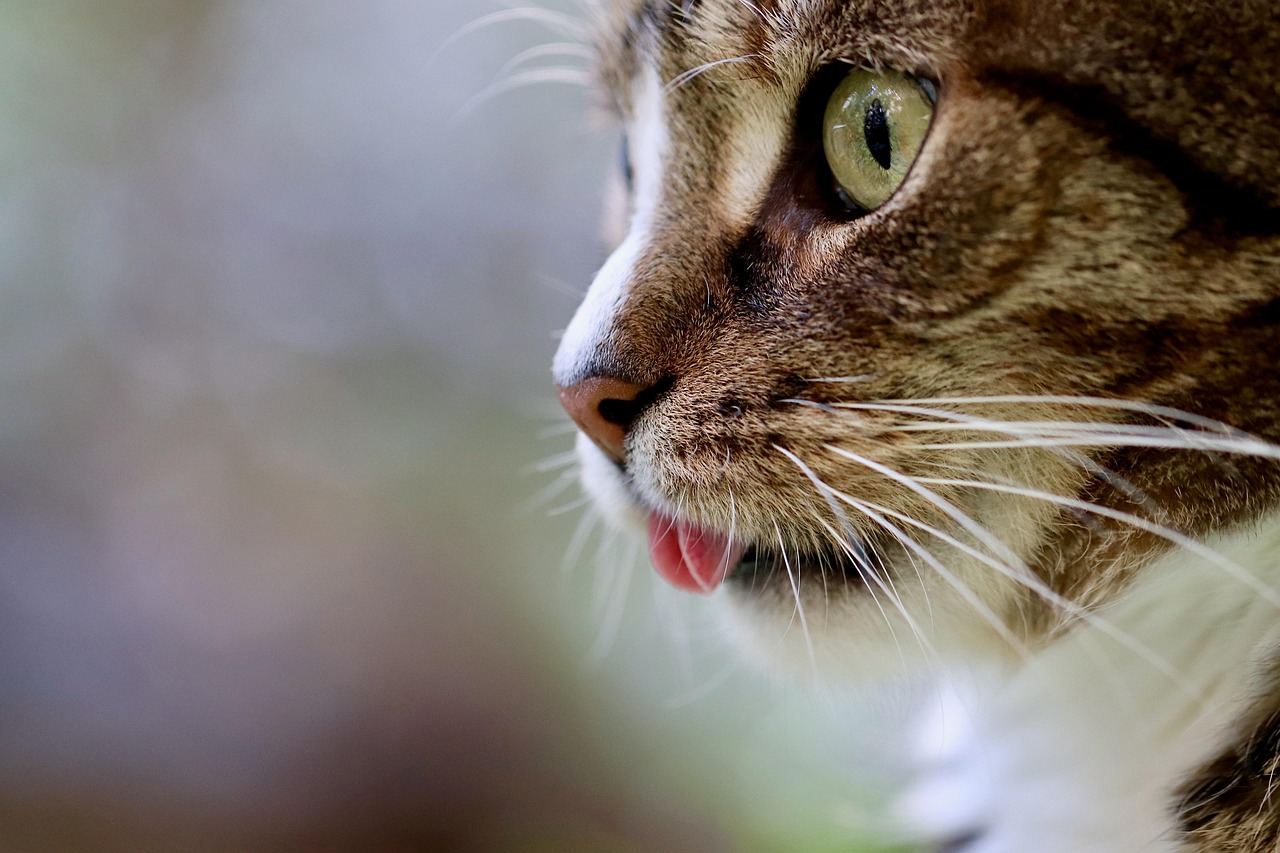

Essential Safety Tips for Traveling with Your Cat by Train
Traveling with your cat by train can be a wonderful experience if done safely. First and foremost, ensure your cat is comfortable in a secure carrier. Choose a well-ventilated, spacious carrier that allows your cat to stand, turn, and lie down. It’s wise to acclimate your pet to the carrier prior to your journey. Place familiar items inside, such as their favorite blanket or toy, to provide comfort. Always check the train’s pet policies ahead of time, as they may vary. Prepare for any disruptions during travel, and be ready to offer treats and reassuring words. Before the trip, visit the vet to confirm your cat’s health and consider carrying health records. Train travel lasts longer than expected at times; hence, hydration is critical. Bring portable water bowls and ensure your cat remains hydrated throughout the journey. Refer to public transportation websites to research amenities like designated pet areas and rest stops. Training your cat to use a harness can also expand your travel options. Finally, remain calm and poised; your cat will likely follow your lead in distressing situations.
Another essential practice is creating a calm environment aboard the train. Ensure that your cat is situated in a location that offers minimal disturbances, such as loud noises or other pets. Keep the carrier secured properly to avoid accidental dislodgement during abrupt movements or stops. During the trip, take breaks every so often to check on your pet. Letting them relax outside their carrier for a moment can help ease their stress. Nevertheless, never let them roam freely on the train to keep both your cat and other passengers safe. While your cat remains in the carrier, it’s prudent to cover it with a light blanket or towel. This helps reduce outside stimuli and creates a cozy hideaway. Additionally, always have a leash ready to use when transporting your cat on and off the train. This gives you greater control should they become anxious or energetic. If your cat struggles with anxiety, consider bringing calming aids or discussing options with your veterinarian beforehand. Having a checklist of everything your cat might need can be crucial. Keeping these essentials organized will simplify your travel experience immensely.
Feeding Your Cat on the Train
Feeding your cat during travel can be tricky, but planning properly makes it manageable. Cats may not eat while in stressful situations like train travel. Nevertheless, always have some of their regular food accessible. Bring along a portable dish to make feeding easier when the time comes. Consider feeding your cat before boarding and keeping meals light; this may help reduce motion sickness. In rare cases, when you need to feed your cat during the journey, take care to do it in a controlled and secure manner. Avoid strong-smelling foods to lessen the impact on fellow passengers. Consult your vet about any snacks that could ease travel stress. If you’re traveling for an extended time, schedule meals accordingly. Always monitor your cat’s eating habits pre- and post-journey, as travel can cause shifts in appetite. Be cautious about water intake as well—dehydration can be serious for cats during long trips. During breaks, allow them to hydrate well. Make sure water is fresh and easy to access for them throughout the trip. Tailoring your feeding strategy for your cat’s unique needs enhances their comfort.
Alongside meals, consider your cat’s toilet needs. Many cats are sensitive when it comes to using the litter box, particularly when in new environments. Hence, train your cat to use a portable litter box beforehand. This only proves effective if they are familiar with the setup. Carrying unscented litter can also promote a more pleasant experience when they need to go. During that period, it’s vital to notify staff in case of any emergencies, like accidents inside the carrier. If possible, schedule stops during your journey to offer your cat a chance to use the portable litter box safely. Observe them closely for signs; if they begin to exhibit abnormal behavior, urge them towards their space quickly. Some train services have dedicated areas for pets, which could alleviate your cat’s distress. Remain patient if your cat hesitates before going. It takes time for an animal to adjust. Cleaning supplies should be on hand to tidy up quickly should accidents occur. Also, consider bringing extra absorbent pads for additional protection in the carrier, just in case this becomes necessary during your travel.
Hygiene Considerations While Traveling
Maintaining a hygienic environment during travel is crucial for your cat’s health and comfort. Pack travel-safe wipes and paper towels for quick clean-ups. Situations may arise where spills or accidents occur, so being prepared is essential. In a secure carrier, set up a small pad or mat to absorb any unwanted messes. This minimizes direct contact with your cat’s body and keeps them clean. In addition to hygiene during travel, ensure your cat is up to date on vaccinations. Infectious diseases can be a concern, especially in crowded spaces. Speak to your veterinarian about any precautions you might need to take before your trip. Another consideration is the smell; some trains may not allow strong odors from animals, so using unscented litter can help mitigate that. Always plan for emergencies; have an emergency kit prepared with basic medical supplies in case your cat experiences any rough patches during travel. Bring along any medications they might need, too. Lastly, follow the ”leave no trace” principle: clean up after your pet and observe etiquette onboard. Train fellow passengers will appreciate your consideration during your travels.
The comfort of your cat is directly linked to your demeanor during the journey. Cats are incredibly sensitive to human emotions and body language. Your calmness sets the tone for how your cat perceives the journey. Remain excited yet composed to encourage their positive reaction to new experiences. Additionally, consider how your own comfort levels affect your cat’s experience. Prepare adequately by packing everything you might need to ensure relief during the trip for you both. Pack drinks, snacks, and personal items for yourself to keep stress levels low and make the journey enjoyable overall. Watch for signs of discomfort from your cat, as these can indicate they may need a change of pace. Bring along toys or interactive games to entertain your cat if the journey becomes lengthy. Moreover, it’s crucial to familiarize yourself with train regulations regarding documenting pet travel—this ensures you have all the required information and paperwork ready to go. Train travel should be fun, fostering beautiful memories instead of long-term stress. In that light, patience should become your mantra, as both of you adapt to this new experience.
Reaching Your Destination
Upon arriving at your destination, proceed with a calm demeanor as you navigate off the train. Transitioning to an unfamiliar environment can be overwhelming for your cat, so keep them in their carrier until you’re in a quiet place. If you’re in a busy station, locate a secluded area before removing your cat to avoid overstimulation. Prioritize their safety by checking for any potential hazards in the immediate vicinity, such as stairs or other animals. Give them a few moments to adjust after leaving their carrier and offer them some water to hydrate. If you arrive at a new home or place, let your cat explore slowly. Allow them to acclimate to their surroundings, which can take time. Provide familiar belongings, such as their bed or toys, to keep anxiety at bay. Monitor their behavior closely during this adjustment phase, and ensure that any new area is secure before granting them free rein. Being attentive to their needs reinforces the sense of safety they require. How you handle this pivotal moment can shape the overall experience they have in this new space long-term.
Finally, on train journeys with your cat, always integrate pet etiquette with respect for fellow travelers. Ensuring your cat is well-behaved goes a long way towards making a pleasant travel experience for everyone. Should your cat become agitated or disruptive, discreetly manage the situation by calmly speaking to them or using treats to divert their focus. Being prepared to handle unforeseen circumstances showcases responsible pet ownership. Transporting a pet is a privilege that comes with its own set of challenges. Make a commitment to keep them comfortable, engaged, and calm throughout. Always be ready to learn more about travel options and suitable solutions specifically customized for pet owners. Familiarize yourself with regulations that apply not only to your train but also to your destination’s local pet regulations. Researching ahead of time empowers you to travel smarter and safer with your furry companion. Your cat relies on you for guidance and reassurance on their journey. By following these essential tips, you can ensure that both you and your cat have a rewarding travel experience. Enjoy every moment and cherish the memories created together during your train travels.