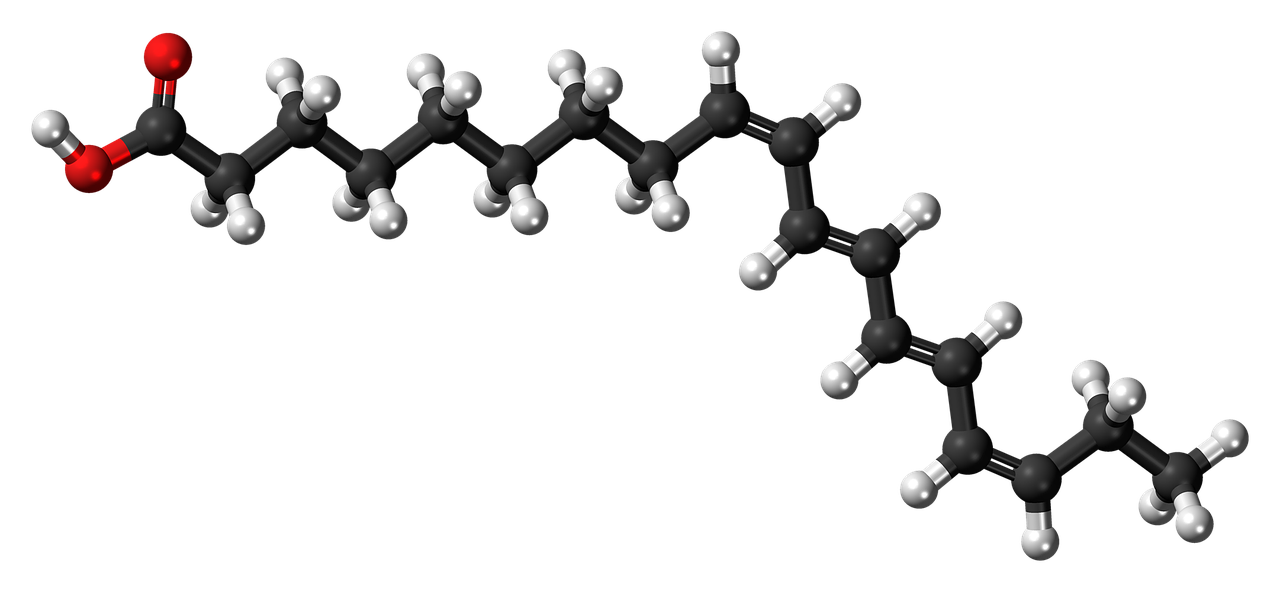

Fatty Acids: Vital for Your Dog’s Health
Fatty acids play a crucial role in canine health, contributing significantly to overall well-being. These nutrients are essential for maintaining healthy skin and a shiny coat, supporting cognitive function, and, most importantly, promoting heart health. Just as in humans, fats in the diet help dogs absorb fat-soluble vitamins A, D, E, and K, which are vital for various metabolic processes. Omega-3 and omega-6 fatty acids are particularly prominent in discussions about dog nutrition. Omega-3 fatty acids, found in fish oil and flaxseed, are known for their anti-inflammatory properties, which can help reduce the risk of heart disease. In contrast, omega-6 fatty acids are essential for maintaining cell membranes and supporting inflammatory response. Dogs that are not receiving adequate amounts of these fatty acids may exhibit various health issues, including lethargy, lack of lustrous fur, and a higher risk of cardiovascular problems. Therefore, incorporating balanced sources of these fatty acids into canine diets is essential for promoting optimal heart health and overall wellness.
Recognizing the different types of fatty acids is vital for dog owners aiming to improve their pets’ nutrition and health. These are classified into saturated, monounsaturated, and polyunsaturated fatty acids. Saturated fats, often found in animal products, are essential but should be consumed in moderation to prevent heart issues. Monounsaturated fats, found in olive oil and avocados, can contribute to better heart health. Polyunsaturated fats, which include the omega-3 and omega-6 fatty acids mentioned previously, are especially beneficial for maintaining a healthy cardiovascular system in dogs. The balance of omega-3 and omega-6 is essential; research indicates that dogs should consume more omega-3 compared to omega-6 for optimal health. In practice, most commercial dog foods are rich in omega-6 but lack sufficient omega-3. This imbalance can lead to inflammation and heart-related issues. To ensure your dog receives a well-rounded diet, look for dog food formulas that prioritize omega-3 sources or consider supplementing their diet with fish oil capsules, which can promote better cardiac function and overall health.
How Fatty Acids Support Heart Function
Fatty acids contribute significantly to heart function in multiple ways. They help to maintain proper blood circulation, which is vital for delivering oxygen and nutrients throughout the body. The beneficial omega-3 fatty acids actively contribute to healthy cholesterol levels, promoting higher HDL (good cholesterol) and lowering LDL (bad cholesterol). Omega-3s are also recognized for their anti-thrombotic properties, which help in reducing the risk of blood clots that can lead to serious heart events. Additionally, these fatty acids support cellular health by maintaining the integrity of cell membranes. A dog’s heart is made up of various types of cells that require proper nutrition to function effectively. Moreover, studies have shown that dogs on a diet rich in omega-3s tend to have a lower incidence of cardiac dysfunction. The incorporation of fatty acids into your dog’s diet, therefore, can provide a protective effect that enhances cardiovascular health. Choosing high-quality dog foods or supplements rich in omega-3 fatty acids can thus be a proactive step for caregivers who want to keep their furry friends’ hearts healthy.
Another important aspect of fatty acids is their role in supporting an overall anti-inflammatory response in dogs. Chronic inflammation is often linked with numerous health problems, including obesity and heart disease. Omega-3 fatty acids work effectively to modulate inflammation within the body, thereby helping alleviate chronic inflammatory diseases. Various studies have demonstrated how omega-3 supplementation can lead to reduced risks concerning heart disease in canines. Fatty acids also assist in improving the overall quality of life for older dogs suffering from joint issues and cardiovascular conditions. Moreover, integrating sources of these essential fats into a dog’s diet may result in improved mobility and energy levels. Regular consumption of fatty acids can directly correlate with better heart health outcomes in dogs, highlighting the need for conscious dietary choices among dog owners. As caregivers, it is necessary to recognize dietary signs of potential deficiencies, including itching skin, lethargy, or poor coat condition. Ensuring pet food is enriched with proper levels of omega-3 fatty acids is critically important for preventing inflammation and heart disease.
Choosing the Right Sources of Fatty Acids
When it comes to choosing sources of fatty acids for your dog, quality matters significantly. It is essential to select high-quality ingredients to ensure maximum benefit for your pet’s health. Fish oil is one of the premier sources of omega-3 fatty acids, with options like salmon, sardines, and mackerel offering the highest concentrations. Plant-based sources of omega-3s such as flaxseed and chia seeds are also beneficial; however, the conversion to the active forms utilized in canine biology is limited. Therefore, supplementing with fish oil may yield more immediate results for heart health. Always look for products that specify the amount of EPA and DHA per serving, as these components are critical for cardioprotective effects. On the omega-6 front, sources such as sunflower oil and chicken fat are commonly found in dog foods. However, it’s essential to maintain a balance between omega-3 and omega-6 fats. Consulting with a veterinary nutritionist can help pet owners formulate an appropriate dietary plan that includes proper sources of fatty acids tailored to their dog’s specific health needs.
Next, it is crucial to be aware of how to introduce new fatty acid sources into your dog’s diet. Gradually integrating fish oil or fatty food into their meals can help prevent gastrointestinal upset. Start with a small quantity and increase it over time to allow your dog’s digestive system to adjust. Observing any adverse reactions is equally important during this transitional period, indicating that dietary adjustments may be needed. Additionally, monitor for any positive changes in your dog’s energy levels, coat condition, and overall health. Keeping a balanced diet is the cornerstone of solid preventive care, especially concerning the heart. Regular vet visits should also include discussions about nutrition and the best sources of fatty acids for optimum health. Remember that while fatty acids are essential, they should be part of a well-rounded diet alongside proteins, carbohydrates, vitamins, and minerals for the best nutritional outcome. A thoughtfully curated diet leads to a happier and healthier life for our canine companions, especially as they age.
Conclusion: The Importance of Fatty Acids
In conclusion, fatty acids are vital to canine heart health, offering numerous health benefits that cannot be overlooked. By providing a diet enriched with these essential fats, dog owners can promote cardiovascular health and longevity. Omega-3 fatty acids play a pivotal role in reducing inflammation, improving cholesterol levels, and supporting proper circulation. The need for a balanced fatty acid intake, with an emphasis on omega-3s, is critical for preventing heart-related issues in dogs. By proactively selecting high-quality dog foods or supplements rich in healthy fats, caregivers can make significant strides toward ensuring their furry friends enjoy a longer, healthier life. As many pets face dietary deficiencies and associated health problems, taking the time to educate oneself about nutrition and the importance of fatty acids can make a world of difference. Ultimately, integrating the right sources of fatty acids into your dog’s diet will significantly improve their quality of life and reduce the risk of chronic illnesses. Investing in your dog’s diet today will foster a healthier tomorrow, allowing for countless adventures and cherished moments.
This is another paragraph with exactly 190 words…