
How to Recall Your Dog in Distractions
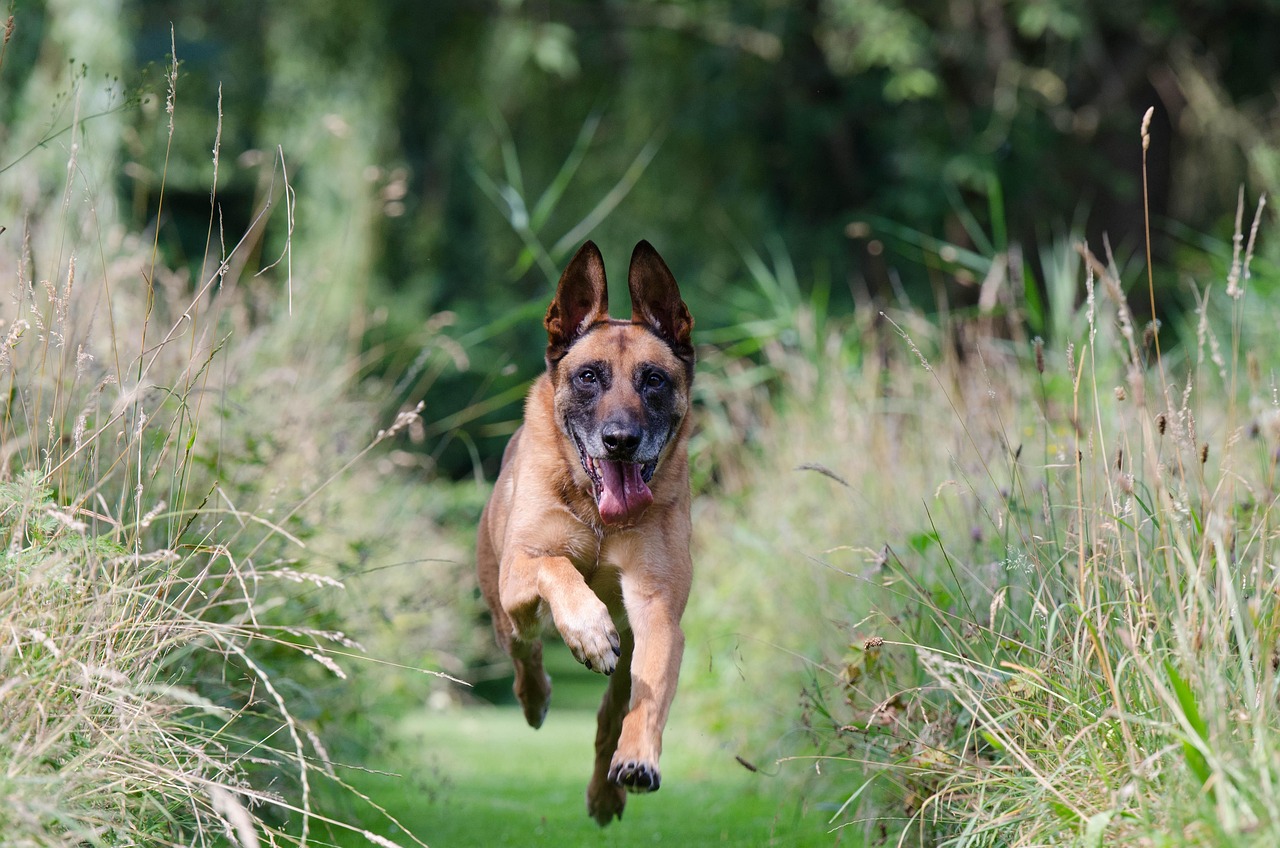
Recalling your dog amidst distractions can be challenging yet rewarding. Training your dog to come when called is crucial for their safety and well-being. Start by choosing a specific command that you’ve decided on together with your family. This can be something simple like “Come!” or “Here!”. Make sure every family member uses the same command, as consistency is fundamental. Begin your training in a quiet environment, where distractions are minimal. When your dog successfully comes to you, use positive reinforcement by rewarding them with their favorite treat or praise, so they learn that responding is rewarding. Gradually, you can introduce more distractions, such as toys or other pets, to make the environment more challenging. If your dog struggles, always go back a step to ensure they fully understand. Practice will build their confidence and improve the recall command. Patience is key; dogs often take a little time to grasp new commands and routines. Ensure excursions are fun and engaging for both you and your dog by using playful methods during practice. Soon, they’ll improve their recall reflex when there are distractions present.
Training in a controlled environment phases is essential for success when teaching your dog to recall. After your dog masters the command in a quiet space, progressively move to areas with more distractions. Begin with a leash to keep your dog from wandering off too far initially. Maintain a positive demeanor and encourage them with a cheerful tone when calling. When your dog appears to be distracted or hesitant, ensure you have something highly enticing like a special treat or a favorite toy ready. This motivates their interest. Encourage them to associate coming to you with something they enjoy; this builds a stronger connection. Additionally, you can enlist a friend to help during practice sessions. They can create distractions or even act as an additional handler, giving your dog a realistic environment to deal with. Always remember, light-hearted sessions are best; dogs learn more effectively when they’re having fun. If your dog doesn’t come immediately, don’t react negatively; instead, maintain an encouraging voice and reward them when they do successfully return. With dedication and consistency, your dog will master recalls no matter the distractions around.
Using Positive Reinforcement
Positive reinforcement is an effective strategy when training your dog for recall amidst distractions. This method involves rewarding your dog for proper behavior, creating an association between the action and a positive outcome. Begin this approach by using treats that your dog loves, as this will greatly enhance their motivation. Make sure to have multiple treats during training sessions, as these incentives will encourage them to respond quickly. For example, each time your dog successfully comes to you, offer them a treat immediately once they reach you. This immediate feedback is crucial for them to understand what behavior is expected. In addition to treats, verbal praise and affectionate petting are great reinforcement methods. Using an enthusiastic tone of voice helps excite your dog about the recall command, fostering a positive experience. It’s also essential to vary the rewards; sometimes use a toy instead of a treat or surprise them with a quick game of fetch. Over time, they start to differentiate the activities and will delight in coming back to you, despite what might distract them. Developing this positive association leads to consistent success in various environments.
Gradually increasing distractions during your recall training helps your dog learn to focus on you. Start by practicing your recall command in the backyard or a local park, where natural distractions occur. This transition is crucial because it introduces your dog to outside stimuli, including animals, sounds, or movement. While in a controlled area, gently throw in minor distractions, and keep rewarding their success in coming back to you each time regardless of the wearer. Regularly assess their attention span as you introduce new distractions; if your dog appears distracted or fails to respond promptly, reduce the level of distraction and reinforce what they already learned. It’s important to be patient as they adjust to their environment. As your dog becomes more proficient, you can increase the distractions, gradually moving to busier places. Incorporate games where they must come to you despite distractions. For instance, have a friend or another pet create movement or noises while you call your dog, increasing the challenge. Celebrate every small success during practice sessions and maintain a relaxed and encouraging environment, nurturing your dog’s improvement and confidence in their recall ability.
Handling Distractions Gracefully
After training in controlled environments, dealing with real-world distractions will be your next focus. This phase helps your dog interact with sounds, sights, and smells they encounter outside and better conditions for recall. To start, anticipate where and when you will face these distractions, as you want to prepare both you and your dog accordingly. For example, if you live in a busy neighborhood, practicing at specific times can offer the best results, such as quieter mornings. When your dog is exposed to distractions, use familiar commands and maintain a consistent tone. It’s essential to emphasize remaining calm and focused during this phase despite the distractions. If your dog seems overwhelmed, don’t force them to engage; allow them to find their comfort level around the distractions. Timing is key as well; once your dog shows signs of awareness regarding these new elements, call them back while maintaining a positive tone to reward them. Over time, this practice will strengthen their recall under various conditions. Celebrate their success, but remember it takes time, effort, and patience for your dog to adapt to engaging with real-world distractions effectively.
Maintaining consistency in your training sessions is essential for effective recall. Establish a routine where you set aside specific times each day to practice. Frequent, shorter sessions tend to be more successful than infrequent, longer ones. Dogs often respond better to this approach as they remain engaged without becoming overwhelmed. Incorporate recall training during regular walks or playtime, making it part of their daily activities, which can keep them motivated. Ensure that each session includes various levels of distractions; this could include brief stints in busier locations or during more exciting playtimes at the park. Building these recall habits with positive reinforcement ensures that your dog realizes the importance and rewards of coming back when called. Ensure every participant in the training applies the same commands and rewards consistently. This uniform approach reaffirms the behavior you’re trying to encourage. Gradually increase the difficulty over time for your dog to succeed in diverse situations. As your dog adjusts, they will become more confident and responsive, allowing them to recall effectively in various situations. Patience and perseverance in training will yield excellent results for your dog.
Making Recall Fun
Incorporating fun into your recall sessions fosters enthusiasm and engagement, creating a more productive environment for both you and your dog. Use games that involve running toward you, such as hide and seek or playing with a toy. You can make it exciting by hiding in different locations and calling your dog to find you. Each time they respond, celebrate with enthusiasm and praise. This fun approach transforms the recall training into an enjoyable experience, solidifying their understanding and association with the command. You can also introduce play sessions combined with recall commands; engage them with their favorite toy and switch to the recall command suddenly. This unpredictability keeps their interest alive because they enjoy both the game and the attention received from you. Use varied rewards such as toys, treats, or playtime with other dogs to maintain excitement levels. Stress the importance of positivity and enjoyment; if they feel pressured, it could lead to anxiety or reluctance to respond. Through these enjoyable sessions, your dog will develop a strong understanding of recall despite distractions, showing impressive improvements in real-life situations, thanks to positive associations.
Finally, measure your progress by tracking your dog’s behavioral changes during recall training. Keeping a journal may help you observe patterns and improvement. Record how well your dog responds in varying environments and settings, noting both successes and challenges. Discussing your findings with a professional dog trainer may provide insight and helpful strategies tailored to your dog’s unique training needs. Consider scheduling regular reviews of your training goals and adjusting your methods as your dog matures and grows. In most cases, the progress will be gradual but observable over time. Utilizing technology such as video recordings during training sessions may help in evaluating your technique and making necessary adjustments, ensuring effectiveness in teaching potential strategies. Additionally, don’t hesitate to engage family and friends when practicing recall; their involvement can offer new challenges and create opportunities for real-world applications. Celebrate the strides you and your dog achieve throughout this journey. Understanding that the process requires time, effort, and persistence is essential. The training benefits both you and your dog, enhancing your bond while ensuring they know exactly what is expected of them. Each recall practice session further increases their confidence, resulting in a happy and obedient companion.